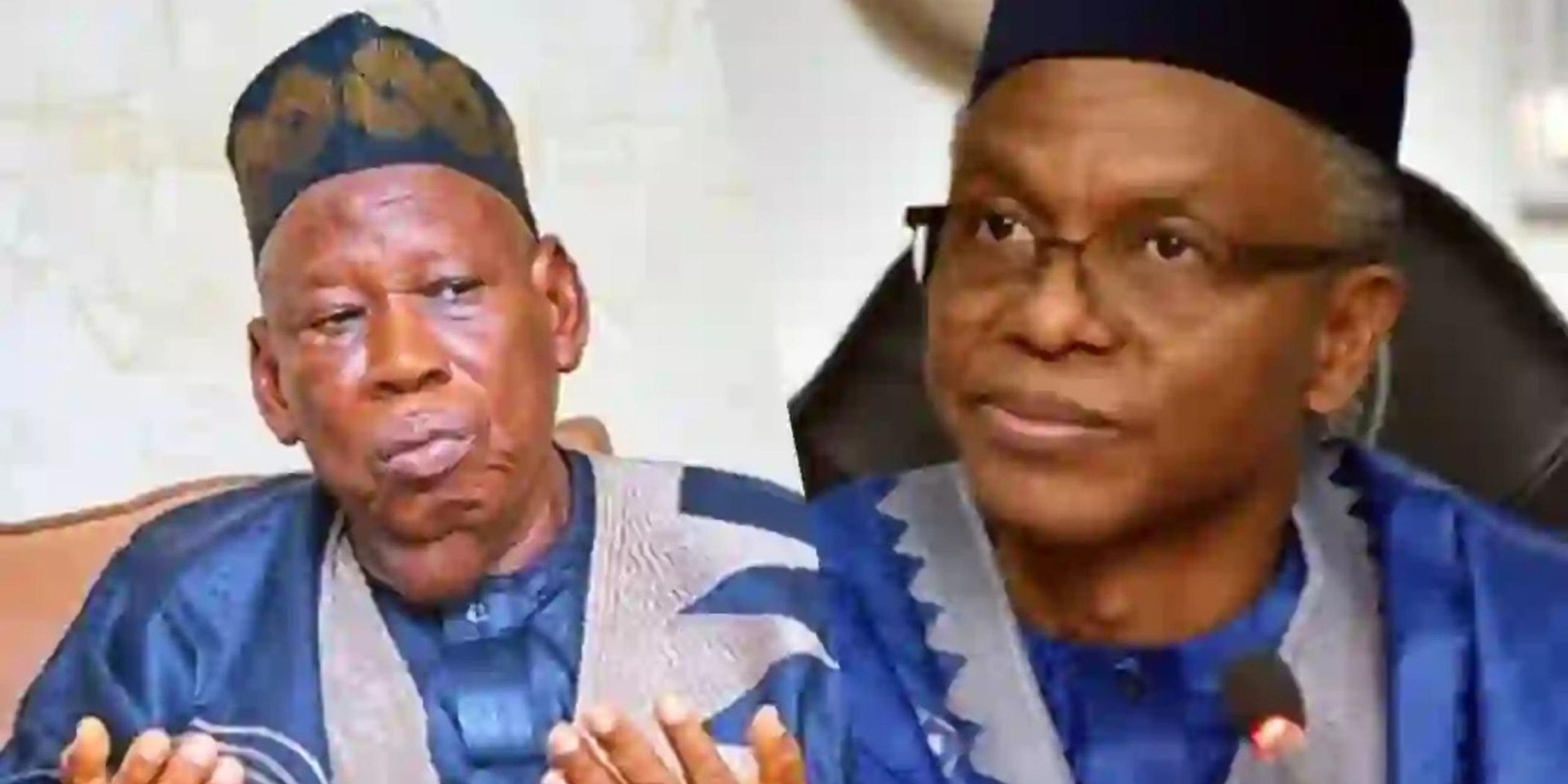
Former Kano State Governor Abdullahi Umar Ganduje has strongly denied allegations made by former Kaduna State Governor Nasir El‑Rufai, who linked him to the 2019 disappearance of activist Abubakar Idris (Dadiyata).
In a statement issued on Saturday by former Kano Commissioner for Information, Muhammad Garba, the claims were described as “reckless, unfounded, and politically motivated.”
Garba insisted that Dadiyata lived and operated in Kaduna at the time of his abduction, stressing that security responsibility rested with the Kaduna State Government and federal agencies.
He also questioned why any alleged confession implicating Kano authorities was never formally presented to security agencies, noting that serious accusations must be supported with credible evidence rather than public speculation.
“Linking the former Kano governor to an incident that occurred outside the state is misleading and appears aimed at shifting responsibility,” the statement said.
The former governor’s camp urged all parties to focus on ensuring a lawful and transparent investigation into the activist’s disappearance, rather than politicising the case.
The renewed controversy follows comments by El-Rufai during an interview on ARISE News Prime Time, where he alleged that Dadiyata’s criticisms were largely directed at the Kano government and suggested Ganduje was “his problem.”
El-Rufai maintained that Kaduna authorities only became aware of the activist after his family reported the abduction to the police in August 2019.
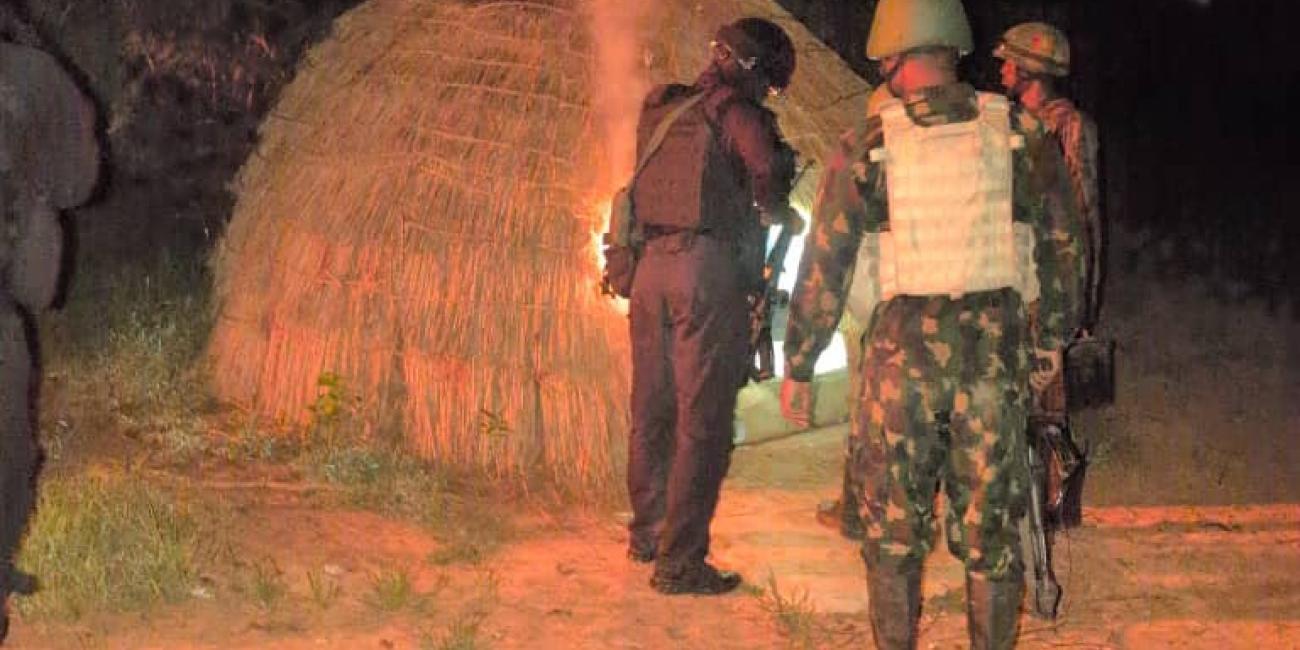
Dadiyata, a vocal government critic, was kidnapped by unidentified gunmen from his Kaduna residence on August 2, 2019. Despite public outcry and investigations, his whereabouts remain unknown.
The dispute between the two former governors has heightened political tensions and renewed calls from civil society groups for clarity, accountability, and justice in the long-running case.
Garba emphasised that public discourse on such sensitive matters must remain grounded in facts, due process, and responsible leadership.
He added, “Justice for Dadiyata and his family must remain the priority — not political point-scoring.”