March 15, 2026 — News
A civil society organisation, the #EndMalariaInNigeria Campaign, has criticised plans by Babajide Sanwo-Olu to reintroduce the monthly environmental sanitation exercise in Lagos State, describing the move as outdated and legally questionable.
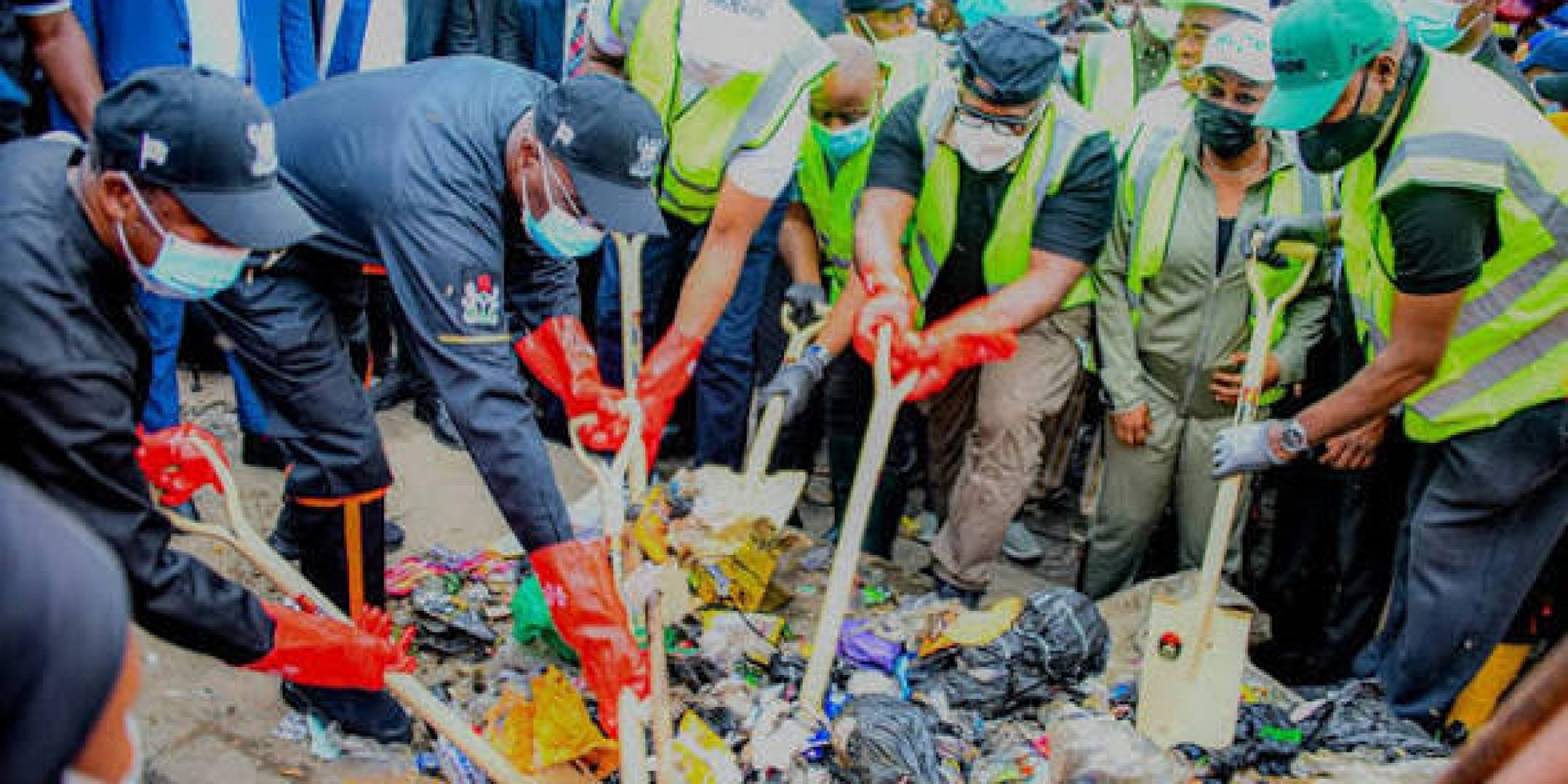
In a statement released on Sunday, the group condemned the governor’s announcement made during a visit to the Mushin–Agege Motor Road corridor on March 14, where he suggested reviving the sanitation programme as part of efforts to address the state’s growing waste management challenges.
The statement, signed by the campaign’s convener Francis Nwapa, described the proposal as “retrogressive, obsolete and a potential contempt of court.”
According to the organisation, any attempt to enforce movement restrictions during sanitation hours would violate a court ruling that previously declared such measures unlawful.
The group traced the origin of the environmental sanitation exercise to March 1984, when the military administration of Muhammadu Buhari and his deputy Tunde Idiagbon introduced the policy under the War Against Indiscipline (WAI) campaign.
While the programme was intended to promote cleanliness and environmental responsibility, the campaign argued that it eventually became associated with harassment and abuses by enforcement officials.
The organisation also referenced a legal challenge filed in 2013 by human rights lawyer Ebun-Olu Adegboruwa after he was arrested on the Third Mainland Bridge while travelling to a television interview during sanitation hours.
The group noted that on March 16, 2015, Justice Mohammed Idris of the Federal High Court ruled that restricting the movement of Lagos residents for three hours on the last Saturday of every month was illegal.
The campaign expressed surprise that the state government would consider reviving the policy more than a decade after the judgment.
While acknowledging that the governor appeared to be responding to concerns over Lagos’ worsening waste situation, the group insisted that reintroducing the sanitation restriction would not effectively solve the problem.
It instead urged the government to strengthen the Environmental Health Departments across local government areas and allow them to focus on community sanitation education and public health strategies.
The organisation further criticised the current waste management system in the state, noting that open dumping of refuse remains common in several communities.
According to the campaign, even when waste is collected, it is often transported to open dump sites located near residential areas, creating breeding grounds for mosquitoes, rodents and other disease-carrying pests.
The group also questioned recent claims by the Lagos State Commissioner for Health, Akin Abayomi, that malaria prevalence in Lagos had dropped to one percent.
It argued that such claims appear inconsistent with environmental realities in many parts of the city, including blocked drainage systems, poor waste disposal and stagnant water.
The campaign therefore urged the Lagos State Government to adopt modern waste management systems, including sanitary landfills, recycling programmes, waste-to-energy technology, and digital monitoring systems for waste collection.
It concluded by calling on the governor to abandon the proposed sanitation policy and instead focus on science-driven solutions capable of addressing waste management challenges and reducing the spread of malaria.
— SUNTV Global Channel Reporting