March 11, 2026 — SUNTV Global News
A growing number of American lawmakers are sharply criticizing President Donald Trump’s military campaign against Iran, calling the strategy unclear, costly, and potentially unconstitutional as tensions in the Middle East continue to escalate.
The backlash intensified after members of Congress received a classified two-hour briefing from U.S. military officials on Wednesday. Following the session, Senator Chris Murphy expressed deep concern, describing the administration’s war strategy as “incoherent” and lacking clear long-term goals.
According to Murphy, the information presented behind closed doors revealed a major gap between the president’s public statements and the military’s actual objectives. Contrary to earlier claims, Murphy said the current mission does not aim to eliminate Iran’s nuclear weapons program or remove the country’s leadership from power.
Murphy warned that the conflict could spiral into a prolonged and costly military engagement.
“They are going to spend hundreds of billions of taxpayer dollars, risk American lives, and still leave the same hardline regime in power,” the senator wrote in a statement posted online.
The senator also questioned the sustainability of the current military approach. He noted that U.S. forces are focusing primarily on destroying Iranian missile installations and drone production sites — targets he argued could easily be rebuilt.
“If the factories are rebuilt after the bombing stops, the only answer they hinted at was more bombing,” Murphy said. “That means endless war.”
Concerns Over the Strait of Hormuz
One of the most urgent strategic concerns is the Strait of Hormuz, a narrow but crucial waterway through which roughly 20 percent of the world’s oil supply passes.
The Trump administration insists it is taking decisive action to secure the route. Defense Secretary Peter Hegseth confirmed Wednesday that U.S. Central Command has begun targeting Iranian vessels suspected of laying naval mines in the area.
“We will not allow terrorists to hold the Strait of Hormuz hostage,” Hegseth said, warning that the Iranian government had been “put on notice.”
However, critics in Congress say the administration has yet to outline a credible plan for reopening and stabilizing the vital shipping lane if Iran intensifies unconventional naval attacks.
Murphy described the situation as “unforgivable,” saying officials appeared unable to explain how the United States would safely secure the strait once Iran begins disrupting maritime traffic.
Congressional Opposition Growing
Opposition to the war is also beginning to translate into legislative resistance.
Representative Sara Jacobs announced Wednesday that she plans to vote against any additional defense funding related to the conflict, arguing the war lacks legal authorization from Congress.
“Donald Trump’s war with Iran is a grave mistake,” Jacobs said. “Approving more funding would only place American troops in greater danger for objectives that cannot realistically be achieved.”
White House Defends Military Campaign
Despite the criticism, the White House maintains that the ongoing joint U.S.-Israel campaign, known as Operation Epic Fury, is a necessary preemptive action aimed at neutralizing imminent threats from Iran.
Administration officials claim the operation has already weakened Iranian military capabilities, with reports suggesting Iran’s leadership structure is under significant strain and elements of the Islamic Revolutionary Guard Corps are retreating.
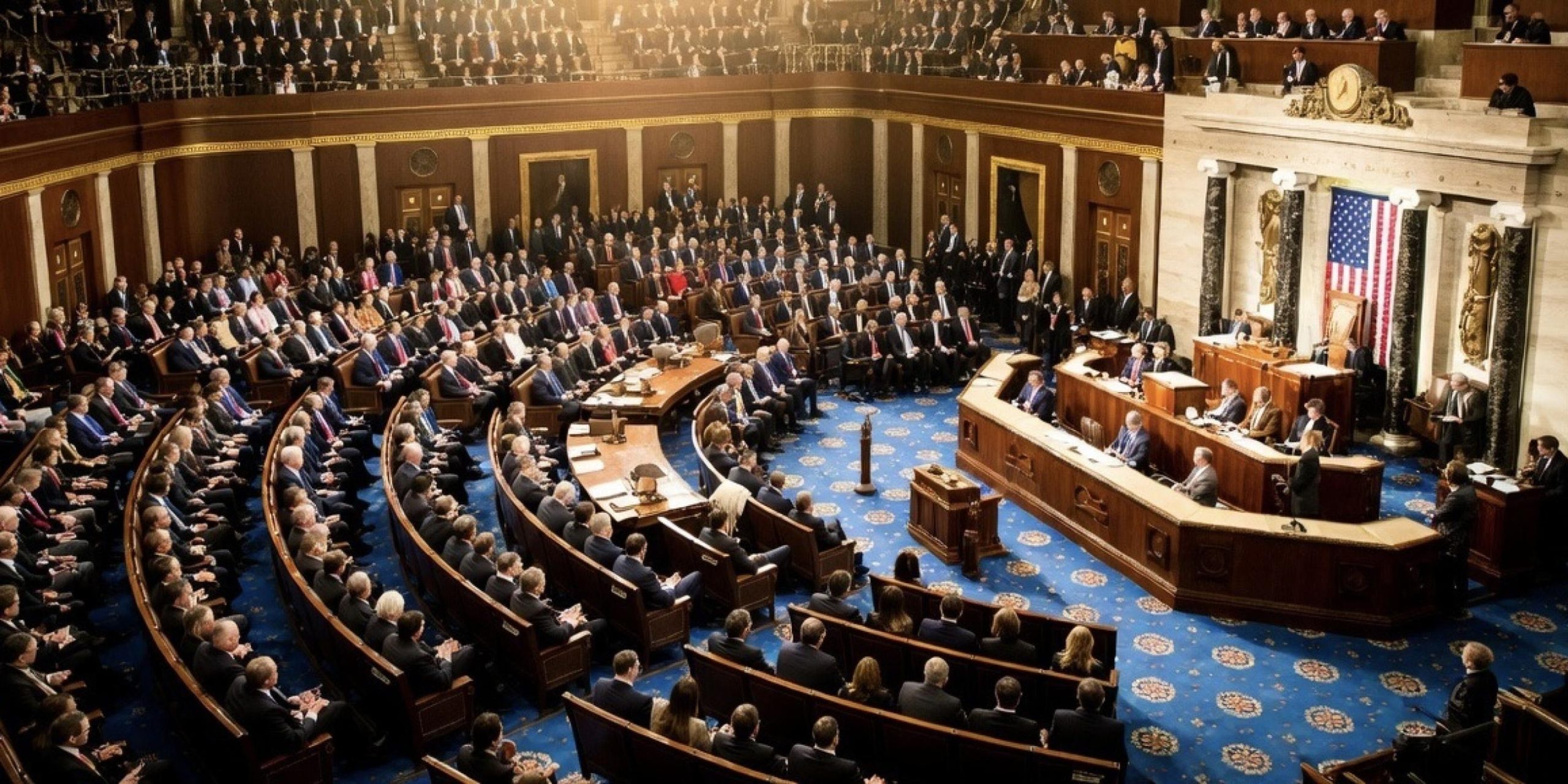
Still, lawmakers across Capitol Hill are demanding clearer answers — particularly about how the war will end and what the long-term strategy is for stability in the region.
As the conflict deepens, the debate in Washington is shifting from whether the war can be won to whether it should have been started at all.