March 3, 2026 | SUNTV Global Channel
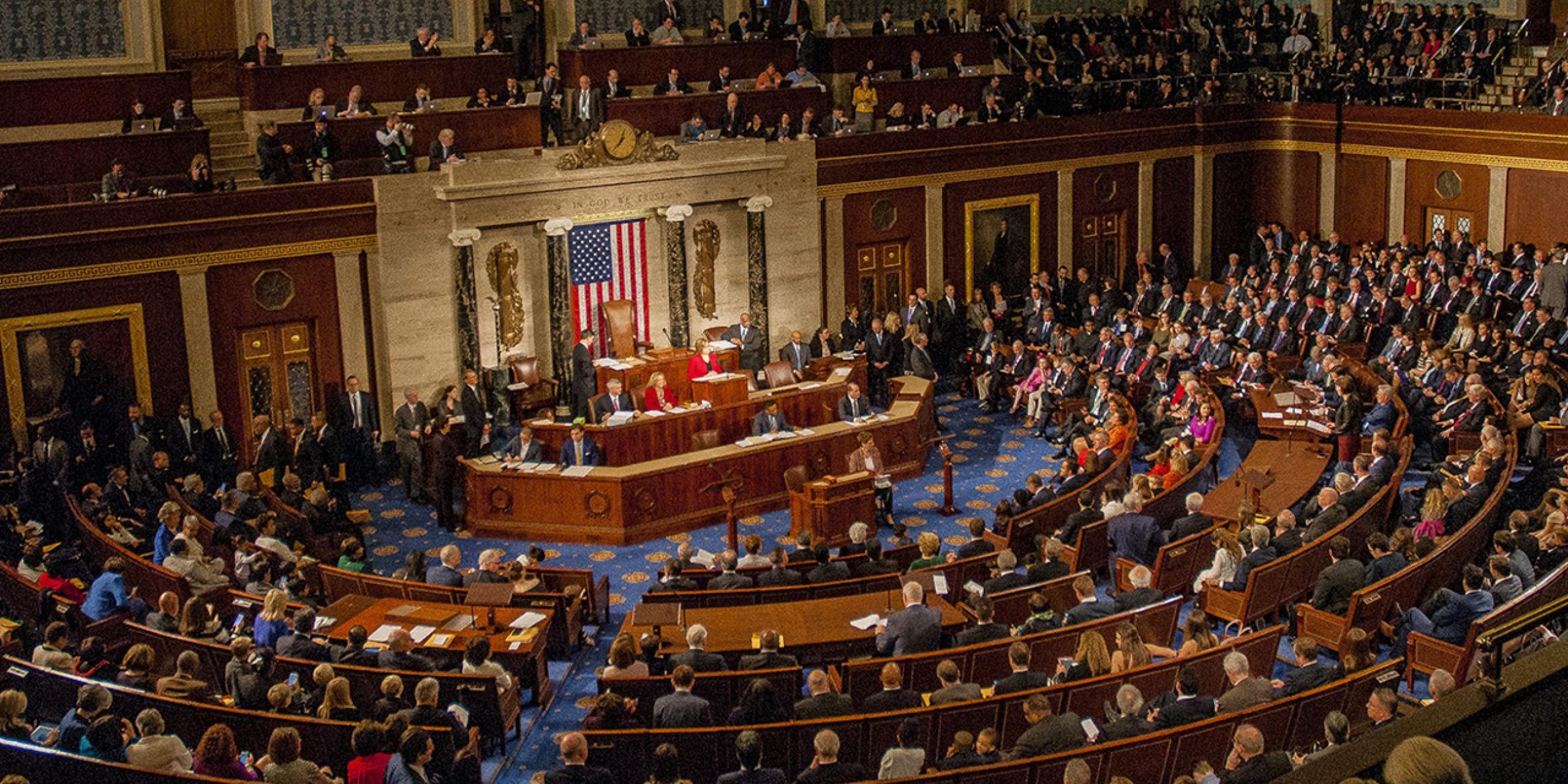
The United States Congress is preparing for a high-stakes vote this week on motions seeking to limit President Donald Trump’s authority to wage war against Iran, as Republican lawmakers are widely expected to shield the president from binding restrictions.
The debate follows Trump’s decision to launch coordinated military operations alongside Israel, a move that has ignited fierce criticism from Democrats and a handful of Republicans who argue the president bypassed Congress and stretched executive powers beyond constitutional limits.
Trump, who returned to office in 2025, maintains that Tehran posed an “imminent threat” to American interests — a legal threshold that could justify unilateral military action. In a late-night address announcing the strikes, he defended the operation as necessary to protect U.S. national security.
However, critics say the administration has not publicly provided sufficient evidence to support that claim.
Kaine Pushes Back
Senator Tim Kaine has emerged as one of the most vocal opponents of the military action. In January, Kaine introduced legislation requiring the president to obtain congressional authorization before initiating hostilities against Iran.
Following the outbreak of fighting, Kaine called on lawmakers to reconvene immediately to vote on his resolution. Writing in The Wall Street Journal, he stated that based on classified intelligence briefings he has received, there was no imminent threat justifying war.
“I can state plainly that there was no imminent threat from Iran to America sufficient to warrant committing our sons and daughters to another war in the Middle East,” Kaine wrote.
War Powers Dispute
At the heart of the controversy is the 1973 War Powers Act, which allows a U.S. president to initiate limited military action in response to an emergency attack but requires congressional approval if operations extend beyond 60 days.
While only Congress has the constitutional authority to declare war, presidents have historically exercised broad military powers under the War Powers framework.
During a Monday briefing, Defense Secretary Pete Hegseth referred to the confrontation as a “war,” intensifying concerns among lawmakers who argue that such a designation requires formal congressional authorization.
The White House confirmed it notified eight key congressional leaders shortly before hostilities began, but critics argue that broader consultation is customary before launching major combat operations.
Bipartisan Effort In The House
In the House of Representatives, Republican lawmaker Thomas Massie broke ranks with much of his party, announcing a bipartisan effort with Democratic Representative Ro Khanna to compel a House vote on the war.
“The Constitution requires a vote, and your Representative needs to be on record as opposing or supporting this war,” Massie said.
A Senate vote on Kaine’s resolution is expected in the coming days, alongside possible House consideration of the Massie-Khanna bill.
Slim Chances Of Passage
Despite mounting criticism, political analysts say the measures face steep obstacles. Republicans hold majorities in both chambers and are largely aligned with the president. Even if either resolution passes, Trump could veto the legislation — a move that would require a two-thirds majority in both chambers to override.
As tensions escalate in the Middle East and American forces remain engaged, the coming votes are shaping up to be a defining test of congressional authority in matters of war — and a pivotal moment in Trump’s second presidency.
Reporting by SUNTV Global Channel.