WASHINGTON/TEHRAN — June 15, 2026
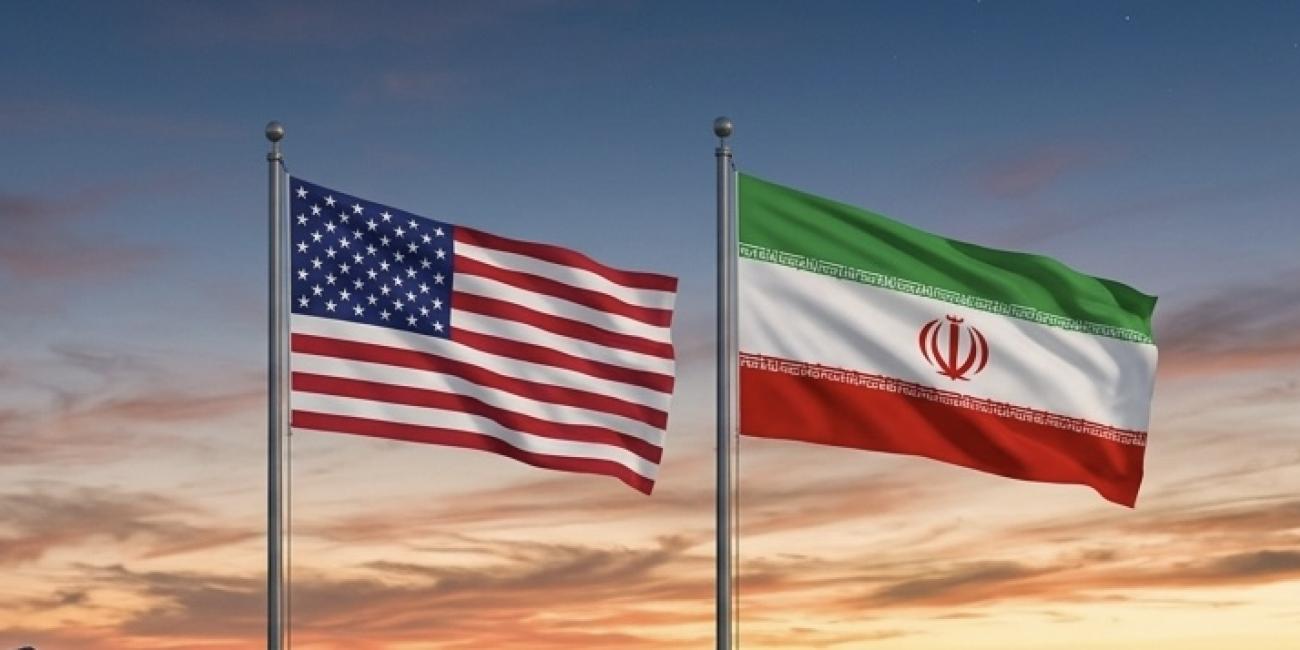
In a major diplomatic breakthrough, the United States and Iran have signed a preliminary peace agreement aimed at ending 108 days of military conflict and restoring stability to one of the world’s most critical oil transit routes, the Strait of Hormuz.
Officials from both countries confirmed that a Memorandum of Understanding (MoU) has been concluded ahead of a formal signing ceremony scheduled to take place in Switzerland later this week.
The agreement comes after months of intense fighting involving Iran on one side and the United States and Israel on the other, raising fears of a wider regional conflict and disrupting global energy markets.
Senior U.S. officials disclosed that the peace framework received the backing of U.S. President Donald Trump, Vice President JD Vance, and Iranian Parliament Speaker Mohammad Bagher Ghalibaf.
A key component of the deal is the immediate reopening of the Strait of Hormuz, one of the world’s most strategically important maritime routes through which a significant percentage of global oil supplies pass daily.
According to U.S. officials, commercial shipping traffic is expected to gradually resume, while the naval blockade imposed on Iran during the conflict will be lifted.
“You will see a significant increase in traffic in the Strait of Hormuz starting immediately, with activity gradually returning to normal levels,” a U.S. official said during a media briefing.
The agreement also paves the way for technical negotiations on implementation, while details of the accord are expected to be released within the next 24 to 48 hours.
Despite the diplomatic progress, several key issues remain unresolved, including Iran’s nuclear programme and the future role of regional armed groups such as Hezbollah.
Iranian Foreign Minister Abbas Araghchi reiterated Tehran’s commitment to preventing the development of nuclear weapons but insisted that Israeli military operations in Lebanon must cease completely.
Iran’s Supreme National Security Council announced that the agreement mandates an immediate and permanent halt to military operations across all fronts.
“Based on the agreements reached, the war and military operations on all fronts will end immediately and permanently,” the council stated.
President Donald Trump also celebrated the development, declaring on his Truth Social platform that the deal with Iran had been completed.
Reports from Iranian media suggest that the agreement could lead to the release of approximately $12 billion in frozen Iranian assets as part of a broader diplomatic settlement.
Negotiations are also continuing over Iran’s uranium enrichment programme, with discussions reportedly focusing on suspending enrichment activities for up to 20 years, although alternative timelines remain under consideration.
However, tensions persist between Iran and Israel, particularly regarding territories seized during the conflict and recent military operations in Lebanon.
Just hours before the peace deal was announced, Israeli forces reportedly carried out an airstrike in Beirut, drawing criticism from President Trump, who reportedly accused Israeli Prime Minister Benjamin Netanyahu of complicating efforts to secure peace.
While many lawmakers in Washington welcomed the agreement as a positive step toward ending hostilities, others expressed concerns about its long-term implications and the challenges that may arise during implementation.
The historic accord marks the most significant diplomatic breakthrough between Washington and Tehran in years and could reshape political, security, and economic dynamics across the Middle East.
SUNTV Global Channel will continue to monitor developments as world leaders prepare for the formal signing ceremony and the implementation of the peace agreement.