ABUJA, NIGERIA — June 15, 2026
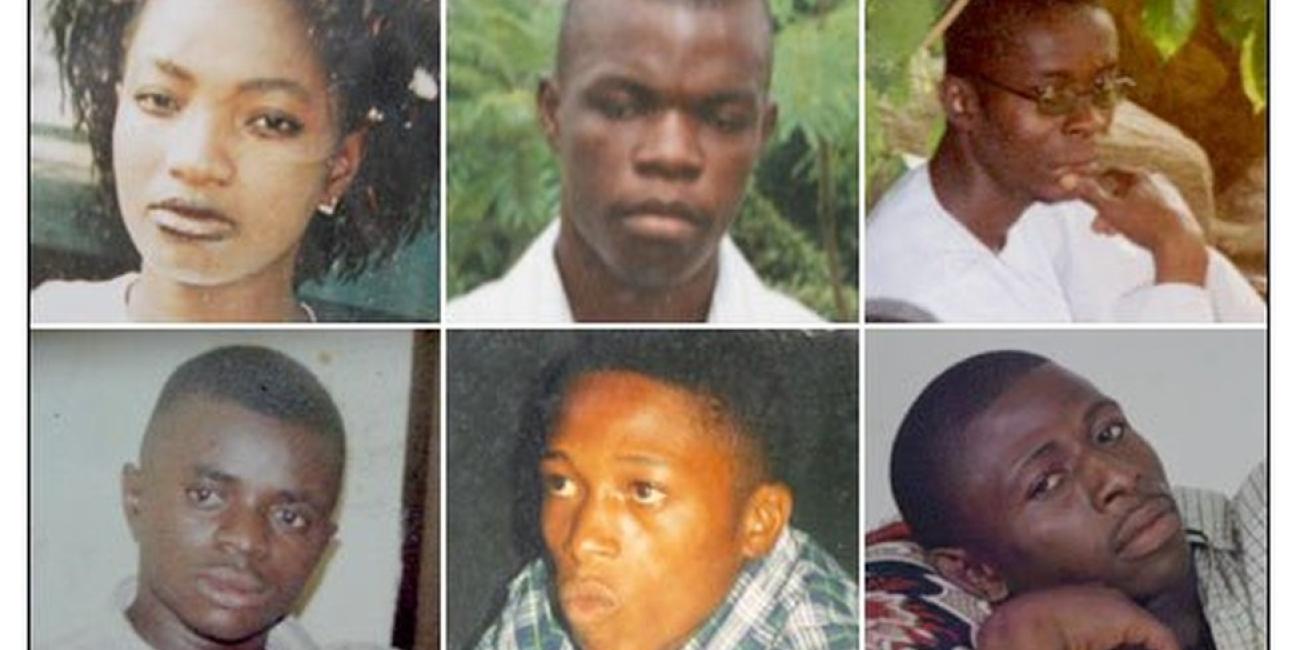
Twenty-one years after the controversial killing of six young Nigerians popularly known as the Apo Six, calls for justice, police accountability, and an end to impunity continue to resonate across the country.
The anniversary has reignited public reflection on one of Nigeria’s most notorious cases of alleged police brutality, a tragedy that exposed deep concerns about extrajudicial killings, abuse of power, and institutional cover-ups within the nation’s security system.
The six victims — Ifeanyi Ozor, Chinedu Meniru, Anthony Nwokike, Paulinus Ogbonna, Ekene Isaac Mgbe, and Augustina “Tina” Arebu — were killed between June 7 and June 8, 2005, after police initially labelled them armed robbers.
However, subsequent investigations by a Police Administrative Panel and a Judicial Commission of Inquiry found that the victims were innocent civilians who were unlawfully killed. Investigators also concluded that weapons were allegedly planted in their vehicle to support a false narrative and that efforts were made to conceal the crime.
The findings further revealed that Tina Arebu reportedly survived the initial shooting but was later strangled to death, while the victims’ bodies were secretly buried in shallow graves.
The shocking revelations triggered nationwide outrage and attracted international attention, becoming a defining symbol of the struggle against police impunity in Nigeria.
After years of legal proceedings, Justice Ishaq Bello of the Federal Capital Territory High Court, in 2017, convicted two police officers, Ezekiel Acheneje and Baba Emmanuel, sentencing them to death for their involvement in the killings.
However, several other officers accused in connection with the case were acquitted, while one officer implicated in the alleged cover-up reportedly escaped from custody and remains at large.
Human rights advocates have long argued that justice remains incomplete, insisting that accountability should extend beyond those who physically carried out the killings to include those who allegedly ordered, supervised, or facilitated the crime.
The case has continued to serve as a stark reminder of the consequences of unchecked police misconduct and institutional failures.
Observers note that many of the concerns raised by the Apo Six tragedy resurfaced during the nationwide #EndSARS protests in 2020, when thousands of young Nigerians demanded an end to police brutality, unlawful arrests, torture, extortion, and extrajudicial killings.
Rights groups maintain that failure to fully address past abuses creates an environment where similar violations can continue to occur.
As Nigeria marks the 21st anniversary of the Apo Six killings, activists, civil society organisations, and families of the victims continue to call for complete justice, meaningful police reforms, and stronger mechanisms to prevent future abuses.
For many Nigerians, the memory of the Apo Six remains a powerful symbol of the ongoing struggle for human rights, accountability, and the rule of law.
The anniversary serves as a reminder that while some progress has been made, the broader fight against impunity within law enforcement institutions remains far from over.
SUNTV Global Channel reports that the legacy of the Apo Six continues to shape conversations about police reform and justice in Nigeria more than two decades after the tragic incident.