March 3, 2026 | SUNTV Global Channel
The Gulf region edged closer to a full-scale war on Monday after Qatar confirmed it shot down two Iranian fighter jets, while coordinated drone and missile attacks struck key oil and gas facilities across the Middle East.
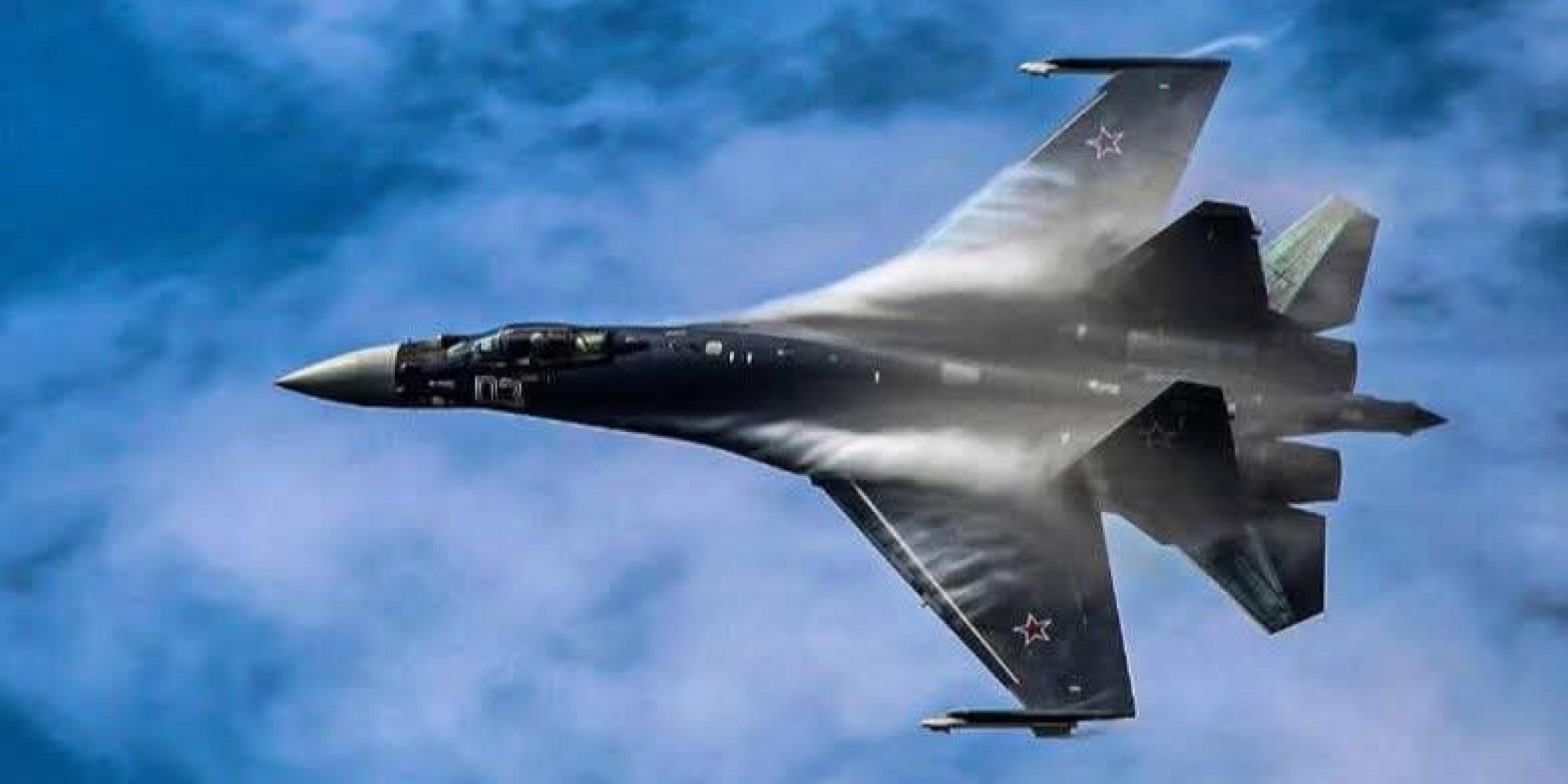
Qatar’s Ministry of Defence announced that the Qatar Emiri Air Force intercepted and destroyed two Iranian Sukhoi Su-24 bombers that allegedly entered its airspace amid escalating hostilities.
“Qatar Emiri Air Force successfully shot down two Su-24 aircraft coming from the Islamic Republic of Iran,” the ministry said, without revealing the fate of the pilots.
The development marks the first time a Gulf nation has directly downed Iranian military aircraft since Tehran began retaliatory strikes following reported joint US-Israeli attacks that targeted Iran’s senior leadership.
Energy Infrastructure Targeted
The conflict took a dangerous turn after drone strikes hit two facilities operated by QatarEnergy, forcing the suspension of liquefied natural gas (LNG) production. Qatar remains one of the world’s largest LNG exporters, and the disruption immediately sent shockwaves through global markets.
European gas prices reportedly surged by over 50 percent, while crude oil prices climbed nearly nine percent amid fears of prolonged supply disruptions.
In Saudi Arabia, a drone strike targeted the Ras Tanura refinery operated by Saudi Aramco, prompting authorities to halt parts of operations at one of the kingdom’s largest oil processing facilities. Sources warned that a confirmed Iranian-directed assault on Aramco infrastructure could trigger direct Saudi military retaliation against Iranian oil assets.
The Saudi military has reportedly been placed on “full alert.”
UAE, Kuwait, Bahrain Also Hit
In the United Arab Emirates, a drone struck a fuel tank terminal in Musaffah, igniting a fire that authorities said was swiftly contained. No casualties were reported, and operations continued uninterrupted.
Explosions were also reported in Dubai, Abu Dhabi, Doha and Manama, shaking investor confidence in a region long marketed as a safe haven in a volatile Middle East.
In Kuwait, smoke was seen rising near the US Embassy compound in Kuwait City, though officials stopped short of confirming a direct strike. The embassy advised residents to steer clear of the area.
Meanwhile, the United States Central Command confirmed that three F-15E Strike Eagles were mistakenly shot down by Kuwaiti air defences in a friendly-fire incident late Sunday. All crew members reportedly ejected safely.
Kuwait’s military later confirmed the death of navy sergeant Walid Majid Sulaiman while on duty, but provided no further details. Shrapnel from intercepted missiles also struck the Mina Al Ahmadi refinery, injuring two workers but leaving production intact. Nineteen people were reported injured nationwide.
In Bahrain, debris from an intercepted missile sparked a fire aboard a vessel in the port city of Salman, killing one Asian worker and critically injuring two others — marking the country’s first fatality since the crisis erupted.
Casualties Mount, Fears Deepen
Across the Gulf, at least six people have been confirmed dead and dozens injured as waves of missiles and drones continue to target ports, airports, hotels, residential districts and military installations.
Security analyst Anna Jacobs described the situation as a “nightmare scenario,” warning that the sustained attacks risk permanently damaging the Gulf’s reputation for stability.
With regional powers on high alert and energy infrastructure increasingly under fire, global markets and diplomatic circles are bracing for what could become the most dangerous confrontation in the Gulf in decades.
SUNTV Global Channel will continue to monitor developments as the situation unfolds.