SUNTV Global Channel | Opinion Desk | May 4, 2026
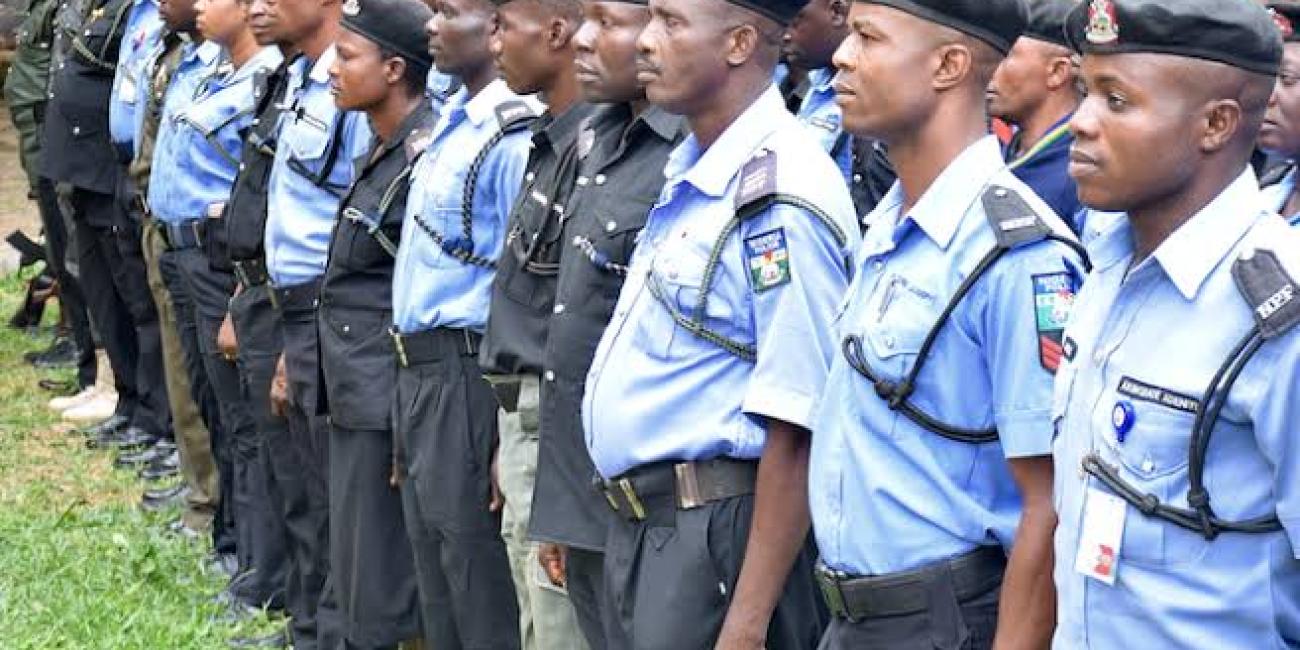
A mental health and social work expert, Lola Oguntade, has called for urgent reforms that place psychological wellbeing at the center of police reform in Nigeria, warning that ignoring officers’ mental health could continue to undermine effective policing and public trust.
In an open letter addressed to the Inspector General of Police, Oguntade said Nigeria’s ongoing police reform discussions remain incomplete without structured mental health support systems for officers.
She argued that while accountability, training, and structural reforms are important, they fail to address what she described as a “critical but overlooked factor” — the emotional and psychological strain faced by police officers in the line of duty.
According to her, officers often work under extreme pressure, exposure to violence, and limited institutional support, conditions she said can lead to burnout, emotional distress, and impaired judgment over time.
“A psychologically unsupported officer cannot consistently deliver ethical and community-centered policing,” she noted.
Oguntade linked some incidents of excessive force and misconduct to untreated stress and emotional trauma, stressing that such behavior should not only be addressed through punishment but also through preventive mental health systems.
She emphasized that mental health is not secondary to reform but a central component of it, adding that modern policing systems globally are increasingly integrating psychological care into their operations.
In her recommendations, she urged the Nigeria Police Force to adopt several reforms, including routine psychological assessments for officers, integration of mental health training into police academies, and the establishment of confidential counseling services.
She also called for structured debriefing after high-risk operations, as well as leadership training to help senior officers identify and respond to psychological distress among personnel.
Oguntade clarified that mental health reforms are not intended to excuse misconduct, but to strengthen professionalism, discipline, and decision-making within the force.
She further stressed that rebuilding public trust in the police requires investing in the wellbeing of officers, noting that improved mental health support would likely lead to reduced conflict, better community relations, and more humane policing practices.
“A reformed police force must not only be better trained, it must be better supported,” she wrote.
The proposal adds to ongoing national conversations around police reform in Nigeria, particularly in the aftermath of repeated allegations of abuse and excessive force involving law enforcement personnel.
The Nigeria Police Force has yet to formally respond to the recommendations as of the time of filing this report.