August 31, 2026 | International News
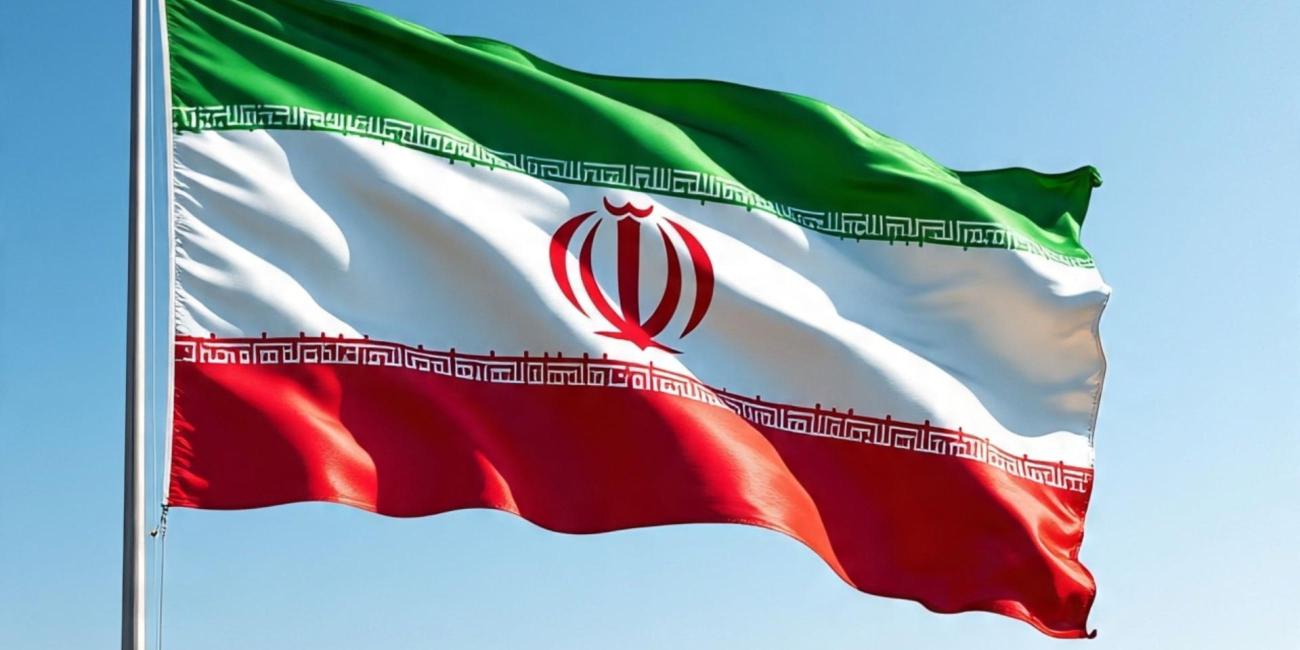
Iran has threatened to deliver what it described as a “decisive response” after the United States carried out strikes against Iranian rocket launchers on Larak Island in the Strait of Hormuz.
The latest escalation has raised fresh concerns over the security of the strategic waterway, a major international shipping route and an important corridor for global energy supplies.
Iran’s Islamic Revolutionary Guard Corps (IRGC) said its forces responded by launching ballistic missiles towards two US military bases in Jordan. The Guards claimed the attacks caused “heavy damage,” while Jordanian authorities said they intercepted eight missiles but did not immediately identify their source.
The IRGC also claimed that an American drone was shot down over the Strait of Hormuz on Monday.
The United States said its forces had targeted Iranian rocket launchers on Larak Island as part of an operation aimed at preventing Iran from placing sea mines in the strategically important waterway.
US Central Command described the operation as a “limited, precise action” against IRGC personnel allegedly involved in laying mines, which Washington said posed an imminent threat to commercial shipping.
Iranian President Masoud Pezeshkian said Tehran was not seeking a wider war but insisted that Iran would respond to the US action.
“We are not seeking war, but we will deliver a decisive response to the aggressors,” Pezeshkian said in a statement broadcast by Iranian state television, according to AFP.
The IRGC said the US strike resulted in casualties and described its missile attacks as retaliation for what it called US and Israeli aerial aggression.
Tensions around the Strait of Hormuz have remained high despite previous diplomatic efforts to reduce hostilities. The United States said it completed operations to clear sea mines from international shipping routes in the strait last week and warned that its forces remained prepared to protect commercial vessels.
US Central Command spokesman Captain Tim Hawkins said the military was continuing to monitor developments and remained ready to safeguard commercial traffic through the waterway.
The latest confrontation follows months of fighting between Washington and Tehran. A ceasefire reached in April reduced the intensity of the conflict, while a memorandum of understanding aimed at achieving a broader peace agreement was signed in June. However, a final peace deal has yet to be reached.
Sporadic attacks have continued, particularly around the Strait of Hormuz, despite diplomatic efforts involving countries including Pakistan and Qatar. Washington has also increased economic pressure on Tehran through measures targeting Iranian ports and fuel supplies.
The Strait of Hormuz remains a critical point in the confrontation because of its importance to global energy markets. Continued disruption to shipping could further affect oil prices and supplies of energy and fertiliser.
Oil prices reportedly rose by more than two per cent on Monday following the latest escalation.
The US strike was the first reported American attack on Iranian territory since July 29, when Washington said it responded to an attempted attack against US forces in the region. Earlier in July, American forces had also conducted strikes against Iran for 13 consecutive nights.
With Iran now threatening retaliation, the latest exchange could further complicate diplomatic efforts to achieve a lasting peace and raise the risk of renewed military confrontation in and around the Strait of Hormuz.
SUNTV Global Channel — Reporting the News, Connecting the People.