December 23, 2025
Investigations | SUNTV Global Channel
When dawn breaks over Ibeno Local Government Area of Akwa Ibom State, it illuminates a cruel contradiction: a land drenched in oil wealth, yet starved of the most basic necessities of life.
For decades, multinational oil companies have drilled beneath the soil and offshore waters of Ibeno and neighbouring communities. But residents say the only visible legacy is pollution, sickness, and deepening poverty.
“We are surrounded by oil, but we live in darkness,” a resident told SUNTV Global Channel. “No clean water, no electricity, no hospital—only pollution.”
Oil in the Rivers, Rust on the Roofs
During a visit to Okoroitak, Iwuopom, and Iwuosha communities, SUNTV Global Channel observed rivers coated with crude oil, farmlands reduced to blackened swamps, and pipelines running dangerously close to drinking water sources.
Residents say the rainy season worsens their suffering, as rainwater washes oil residues into rivers relied upon for fishing and domestic use. In one instance, water fetched from a community source turned yellow within 24 hours.
Several villagers also blamed gas flaring for the rapid corrosion of rooftops—claims backed by scientific studies showing accelerated rusting of zinc roofs in the Niger Delta due to prolonged gas emissions.
Oil Firms Silent, Communities Suffering
Network Exploration Company and ExxonMobil are among firms that operated in these communities. Despite repeated attempts, the companies did not respond to enquiries sent in November 2025.
ExxonMobil, however, exited the region in December 2024, selling major assets—including oil mining leases and terminals—to Seplat Energy.
Data from Nigeria Oil Monitor shows that Seplat recorded 167 spill incidents between 2020 and 2025, spilling over 1,166 barrels of oil, with peak incidents around the period it finalized the ExxonMobil asset acquisition.
Yet, residents insist many spills—especially older ones—were never officially recorded.
“They Threatened My Life for Asking Questions”
In Okoroitak, youth president Comrade Okon accused oil operators of neglect and intimidation.
“Our drinking water runs beside an oil pipeline,” he said. “We asked for clean water and solar lights—nothing. When I asked about PIA money, I received threats.”
The Petroleum Industry Act (PIA) 2021 mandates oil companies to allocate 3% of operating expenses to host communities. But locals say they have seen no benefits and no transparency.
Dead Rivers, Destroyed Livelihoods
In Iwuosha, youth president Joseph Jonah lamented the collapse of fishing and farming.
“Our rivers are dead. Our nets are useless. The land cannot produce food anymore,” he said, pointing to oil-slicked waters shimmering under the sun.
Farmers and fishermen now survive by cutting firewood or abandoning their ancestral occupations entirely.
Women Dying in Childbirth
At Iwuopom, women leader Mrs. Abigail Edideom described the human cost of neglect.
“Women die during childbirth because there is no clinic,” she said tearfully. “I am raising a child whose mother died giving birth.”
The nearest health facility is miles away, accessible only by boat or treacherous footpaths through swamps.
“Forty Years, No Job for Our People”
Community chairman Austin Akpan accused oil firms of extracting wealth without investing in people.
“No scholarships, no clean water, no jobs. For over 40 years, not one person from this community has meaningful employment with these companies,” he said.
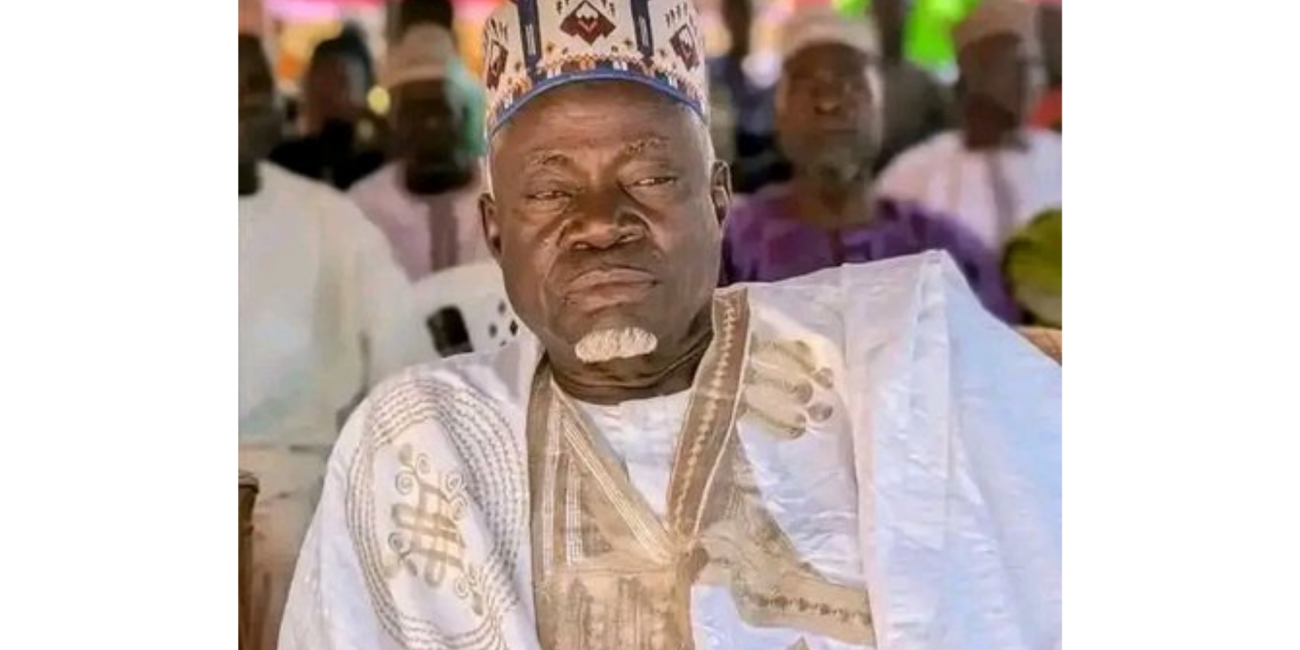
At the palace in Ibeno, the Paramount Ruler, HRM Owong (Prof.) Effiong B. Archianga, summed it up:
“Our land is rich, but our people are poor. We have received nothing—no help from government, no help from NGOs. We are being forgotten.”
Ogoni: Slow Healing, Lingering Pain
In Rivers State’s Ogoniland, decades of pollution have left deep scars. Cleanup efforts led by HYPREP and Shell are ongoing, but residents say progress is painfully slow.
Environmental activist Nnimmo Bassey noted that full recovery could take up to 30 years, while farmers say their land still cannot support crops and fishermen struggle to survive.
Some residents accused Shell of leaving Ogoni people as “environmental refugees,” battling cancer, respiratory illnesses, and poverty without compensation.
Experts Warn: ‘They Are Leaving a Mess Behind’
Environmental expert Steven Obodoekwe of CEHRD warned that oil companies are abandoning polluted lands as they shift to offshore drilling.
“They leave behind poisoned soil and water. Regulators depend on these same companies for logistics—so how can investigations be independent?” he asked.
He called for transparency, accountability, and a genuine transition away from fossil fuels.
A Cry for Justice
From Akwa Ibom to Ogoniland, the message is clear: communities sitting atop Nigeria’s oil wealth are paying the highest price.
“We don’t want promises anymore,” a resident said quietly. “We want clean water, safe land, and a future for our children.”
Report by: Faith Imbu, Elfredah Kevin-Alerechi, Sunday Elom
SUNTV Global Channel – Investigative Reporting