May 12, 2026 | SUNTV Global Channel Report
Senator Adams Oshiomhole has questioned the eligibility of Senate President Godswill Akpabio to preside over the Nigerian Senate, citing concerns over the interpretation of the Senate Standing Orders on ranking and years of legislative service.
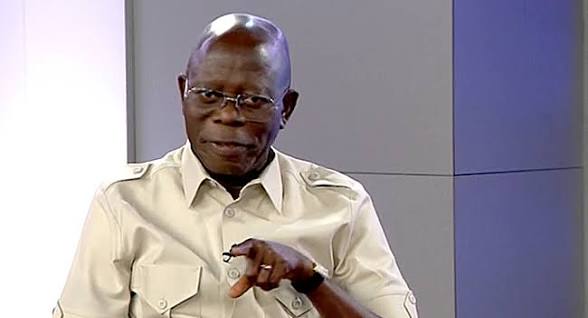
Speaking during an interview on ARISE Television, the Edo North senator argued that if the Senate’s rule requiring a minimum of eight years of legislative experience is applied strictly, Akpabio may not meet the threshold needed to hold the position of Senate President.
Oshiomhole explained that Akpabio previously served a four-year term in the Senate, later left the chamber after losing re-election, and returned in the current assembly after serving as a minister. According to him, this interruption affects how his total legislative experience is calculated under the existing rules.
“If eight years is a minimum requirement, he doesn’t have the right to preside because he has not acquired the qualification,” Oshiomhole said, adding that leadership positions should not be influenced by rules tailored to favour individuals.
The former Edo State governor aligned with concerns raised by legal expert Senator Adeniyi Adegbonmire (SAN), who questioned whether the interpretation of “ranking” and “consecutive service” in the amended Senate rules was being applied fairly.
Oshiomhole further argued that the inclusion of the word “consecutively” in the Standing Orders could disqualify lawmakers with interrupted legislative careers, including former principal officers who later returned to the Senate after serving in other public offices.
He warned that such interpretations could undermine fairness and deny experienced lawmakers opportunities for leadership positions within the National Assembly.
Using examples such as former Senate Deputy President Ovie Omo-Agege and former Governor Ifeanyi Okowa, Oshiomhole noted that several politicians with prior Senate experience could be affected if strict continuity rules are enforced.
The senator maintained that leadership of the Senate should be determined by trust, competence, and acceptance among colleagues rather than technical interpretations designed to exclude specific individuals.
He also emphasized that the office of Senate President is “first among equals,” stressing the importance of internal democracy and mutual respect within the legislative chamber.
Oshiomhole, however, clarified that his comments were not personal, describing Akpabio as a colleague and friend, but insisted that national interest and institutional integrity must come first.
As of press time, there has been no official response from the Senate leadership regarding the concerns raised over the Standing Orders or Akpabio’s eligibility interpretation.