By SUNTV Global Channel
January 31, 2026
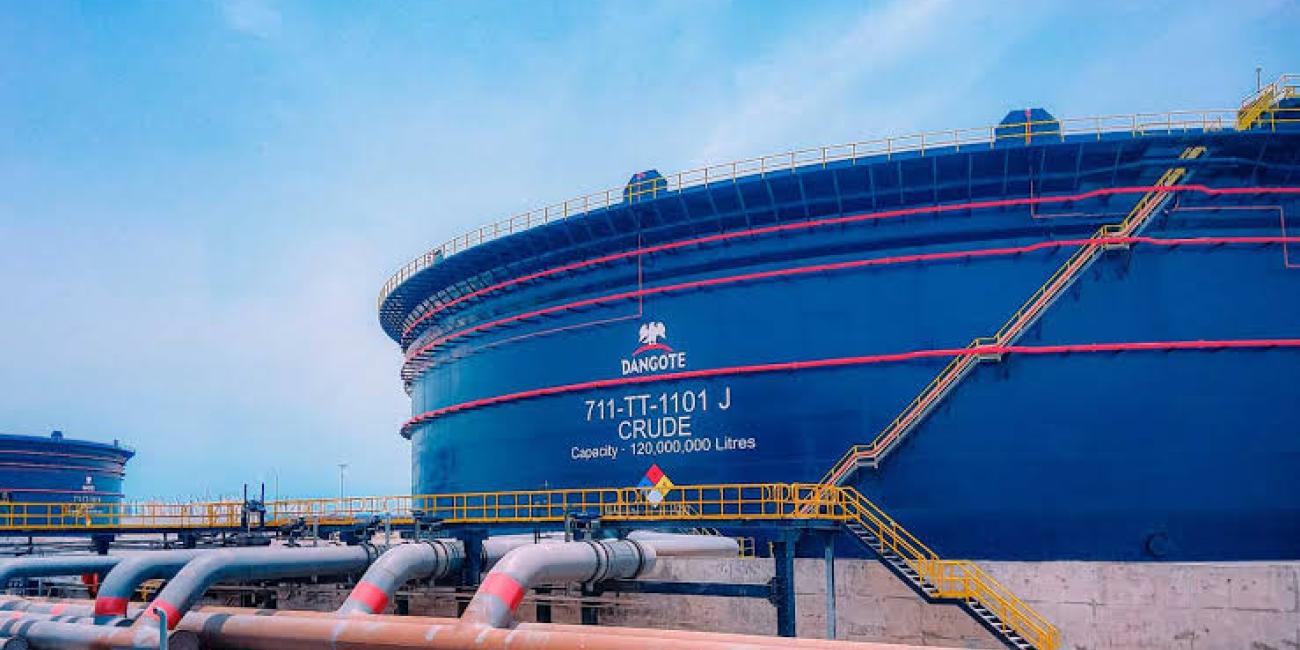
Some petroleum marketers, industry experts, and labour unions in Nigeria’s downstream oil sector have raised fresh concerns over what they describe as unstable pricing and structural risks associated with the Dangote Petroleum Refinery, warning that the situation could escalate into a broader economic crisis if left unchecked.
Speaking to journalists in Lagos, the stakeholders said persistent uncertainty in the pricing, supply, distribution, and retailing of petroleum products has created panic across the industry, further exposing long-standing weaknesses in Nigeria’s petroleum sector.
According to the marketers, the Dangote Refinery’s pricing pattern has become increasingly unpredictable, with ex-depot prices reportedly rising from ₦699 to ₦799, while pump prices fluctuated sharply from ₦731 to as high as ₦920 per litre within a short period.
“This kind of epileptic pricing creates confusion for marketers and consumers alike,” said Audu Ibrahim, an independent petroleum marketer. “It makes planning impossible and introduces unnecessary volatility into a product that affects the entire economy.”
Fears of Monopoly and Anti-Competitive Practices
The marketers cautioned that Nigeria must avoid restrictive business practices, including monopolistic tendencies, which they say could discourage investment and limit the entry of other players into the downstream sector.
“Petroleum is a macro-economic product,” another marketer warned. “Its pricing affects transportation, food, manufacturing, and services. If competition laws and the Petroleum Industry Act (PIA) are not strictly enforced, businesses will collapse and the wider economy will suffer.”
They stressed that unchecked dominance by any single operator could lead to price wars, supply shocks, and long-term instability in the petroleum value chain.
Single-Train Structure Raises Supply Risk
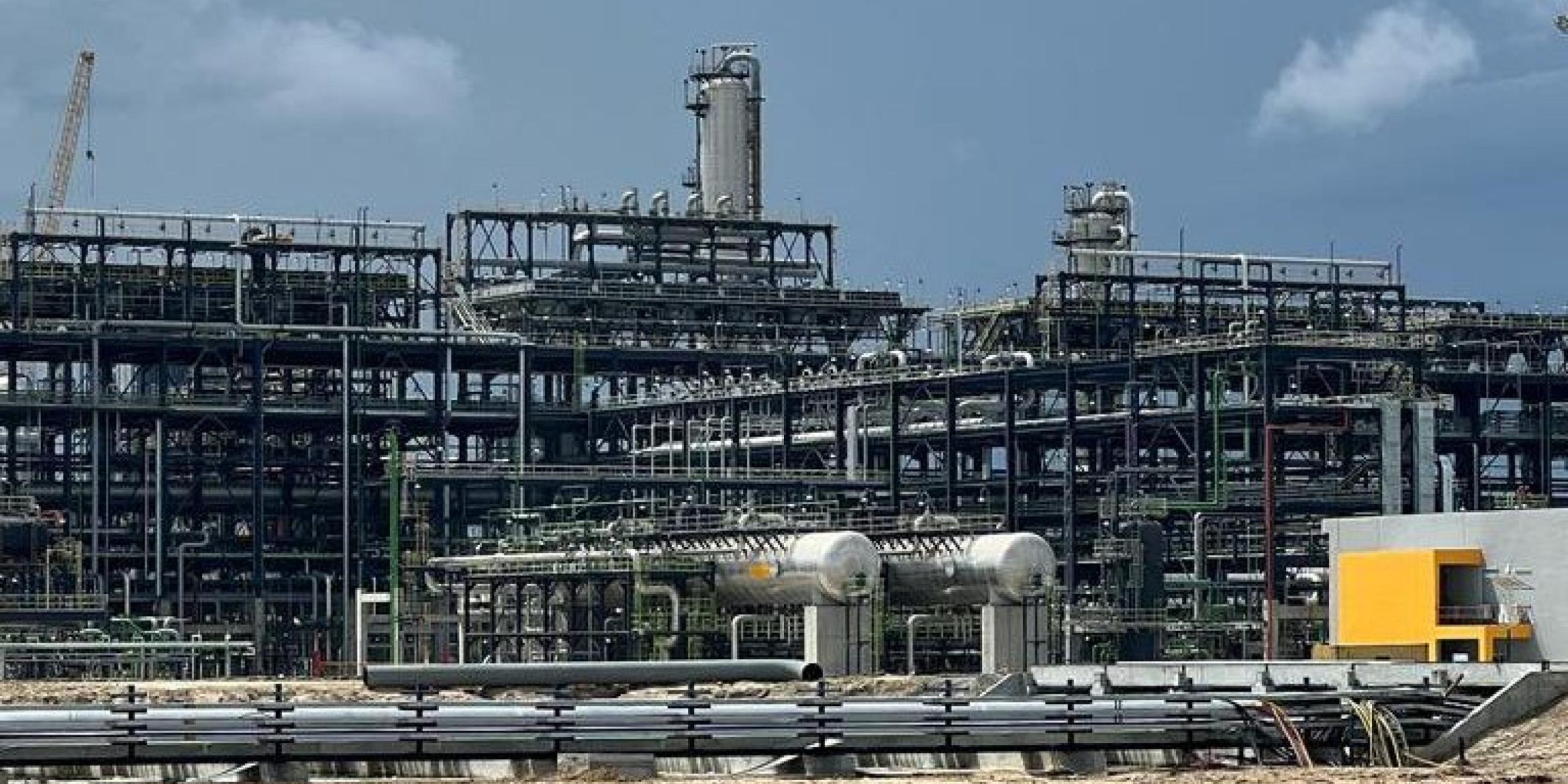
A major point of concern raised by the marketers is the single-train design of the Dangote Refinery, which has a nameplate capacity of 650,000 barrels per day. They noted that operating on a single processing line means that any technical fault could halt production entirely.
“This design makes the refinery highly vulnerable,” Ibrahim explained. “We are already seeing warning signs, with reports that the catalytic unit is down. That alone shows the danger of relying on a single train.”
Industry figures indicate that Nigeria requires about 70 million litres of petrol daily, according to the Nigerian Midstream and Downstream Petroleum Regulatory Authority (NMDPRA). However, the marketers claim that the Dangote Refinery is currently supplying less than 35 million litres per day, leaving a significant supply gap.
“This shortfall exposes the country to energy and supply crises,” Ibrahim added.
Calls for Government Intervention
Labour unions and industry groups have urged the Federal Government and the National Assembly to ensure strict enforcement of the Petroleum Industry Act, noting that the law was designed to create a fair, competitive, and transparent petroleum industry.
They warned that unless the Dangote Refinery adopts greater pricing transparency and transitions to a multi-train operational structure, Nigeria’s petroleum supply-demand balance could collapse, triggering inflationary pressures and wider economic instability.
As uncertainty continues to ripple through the downstream sector, marketers insist that urgent corrective measures are needed to protect consumers, investors, and the broader Nigerian economy.