SUNTV Global Channel | Politics Report | May 18, 2026
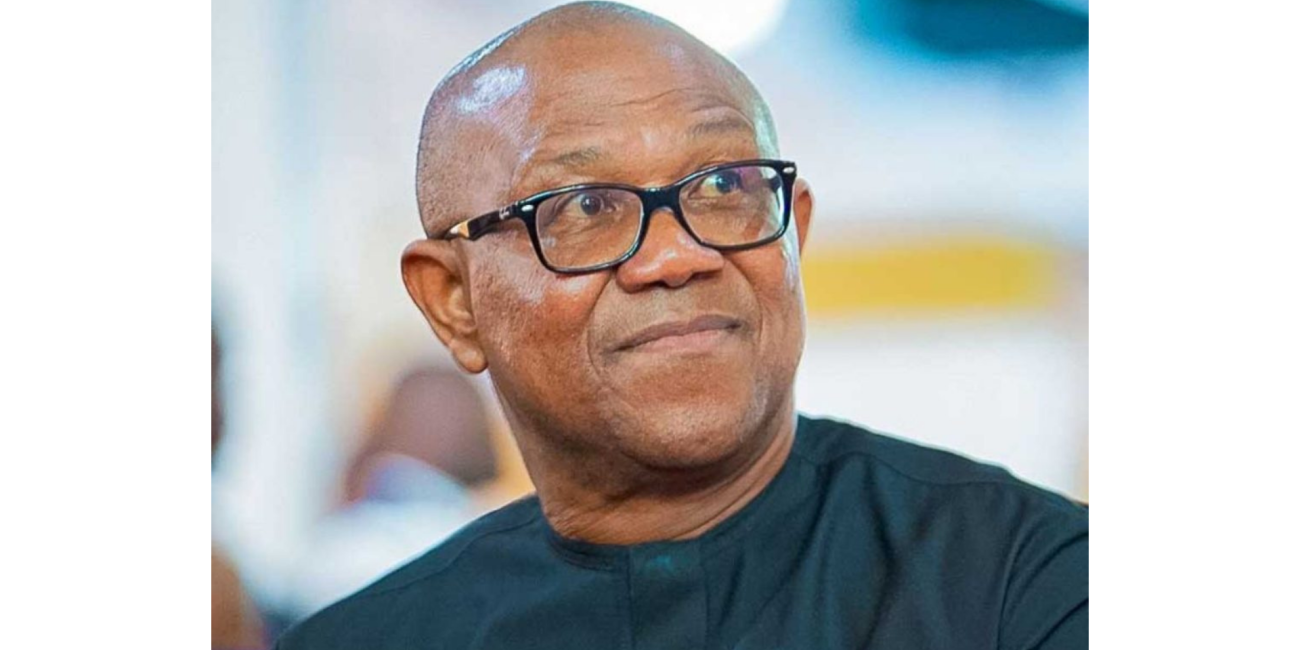
Former presidential candidate of the Labour Party, , has strongly criticized the administration of President over Nigeria’s rising debt burden, warning that the country risks long-term economic collapse if borrowing continues at its current pace.
In a detailed statement shared on social media titled “Debt Servicing, Borrowing, and Nigeria’s Fiscal Priorities,” Obi alleged that Nigeria is being “borrowed into economic slavery,” describing the government’s fiscal direction as unsustainable and harmful to national development.
He expressed concern over reports that Nigeria is projected to spend about $11.6 billion on debt servicing in 2026, arguing that the figure is far higher than allocations to key sectors such as health, education, and poverty alleviation.
Obi insisted that while borrowing is not inherently bad, it must be tied to productive investment capable of generating economic returns.
He cited countries such as Japan, the United States, and Singapore as examples of economies that manage high debt levels effectively because their borrowings are directed toward infrastructure, innovation, and human capital development.
However, he argued that Nigeria’s case is different, alleging that a significant portion of borrowed funds has not translated into visible development outcomes.
According to him, the rising debt servicing obligations are already crowding out critical investments in social services and human development, creating what he described as a dangerous fiscal imbalance.
The former governor also referenced projected allocations in Nigeria’s 2026 budget, claiming that debt servicing costs could exceed combined spending on health, education, and poverty reduction, a situation he said highlights the urgency of fiscal reform.
Obi further alleged that a large portion of the current debt stock was accumulated under the present administration, citing recent external borrowing arrangements and domestic bond issuances as contributing factors.
He warned that without urgent policy adjustments, Nigeria risks deepening poverty levels and weakening its long-term economic stability.
The comments have sparked renewed national debate on debt management, government spending priorities, and economic direction, with analysts and political observers divided over the severity of the situation and proposed solutions.