March 12, 2026
Fresh intelligence assessments from the United States indicate that Iran’s ruling establishment remains firmly in control of the country despite nearly two weeks of heavy bombardment by U.S. and Israeli forces and the death of the country’s Supreme Leader.
According to a Reuters report citing multiple sources familiar with classified intelligence findings, the military strikes have not significantly weakened Tehran’s grip on power or triggered any immediate threat of regime collapse.
U.S. intelligence agencies reportedly concluded that Iran’s political and security institutions continue to function effectively, even after the killing of longtime Supreme Leader Ali Khamenei during the opening wave of the military campaign on February 28.
The war — which began with coordinated airstrikes by the United States and Israel targeting Iranian military bases, nuclear facilities and air defence systems — has already become the largest U.S. military operation since the 2003 invasion of Iraq.
Leadership Still Intact
According to three sources with direct knowledge of the intelligence briefings, several reports from different U.S. agencies reached the same conclusion: Iran’s clerical government remains stable and maintains control over the country’s security structure and population.
“A multitude of intelligence reports provide consistent analysis that the regime is not in danger of collapse and retains control of the Iranian public,” one senior source familiar with the findings said.
The report assessing the stability of Iran’s leadership structure was reportedly completed just days ago.
Despite the deaths of several senior officials and commanders from the powerful Islamic Revolutionary Guard Corps (IRGC), intelligence officials say the organisation continues to operate effectively and remains loyal to the ruling establishment.
The IRGC is widely considered the backbone of Iran’s security apparatus and holds enormous influence across the country’s political and economic systems.
Mojtaba Khamenei Named New Supreme Leader
Following the death of Ali Khamenei, Iran’s powerful clerical council known as the Assembly of Experts moved quickly to stabilise the country’s leadership.
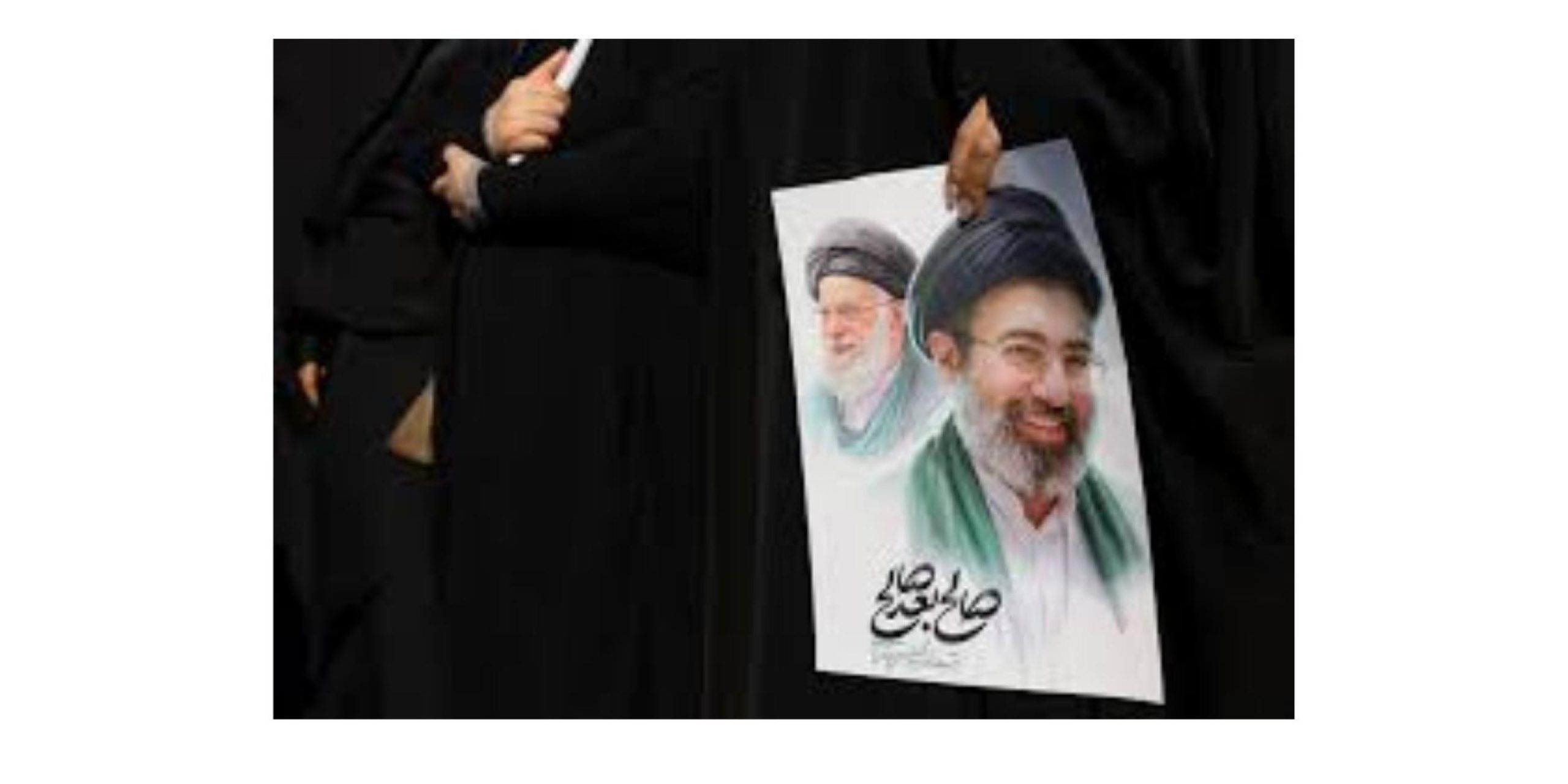
Earlier this week, the council announced the appointment of Mojtaba Khamenei, the son of the late supreme leader, as Iran’s new supreme leader.
Despite the leadership transition, intelligence officials say Iran’s government has continued functioning without major disruption.
Even Israeli officials involved in the war effort have privately acknowledged that there is no guarantee the ongoing military campaign will bring down Iran’s clerical government.
Trump Signals Possible End To War
Facing growing political pressure over the economic impact of the conflict, particularly surging global oil prices, U.S. President Donald Trump recently suggested that the military operation could end soon.
The spike in oil prices has rattled global energy markets and increased domestic pressure on the White House to bring the war to a close.
However, analysts say ending the conflict may not be straightforward if Iran’s ruling structure continues to hold together.
When the operation began, Trump publicly urged the Iranian population to overthrow their government, but senior officials later clarified that regime change was never the official objective of the campaign.
Ground Invasion Could Be Only Path To Collapse
Sources familiar with U.S. intelligence discussions say analysts believe the collapse of Iran’s ruling system would likely require a full-scale ground invasion.
Such an operation could potentially create conditions for mass protests by Iranian civilians without fear of violent repression by security forces.
However, deploying U.S. troops to Iran would represent a dramatic escalation of the war, something the Trump administration has not ruled out if the conflict intensifies.
Kurdish Militias Seek U.S. Support
Meanwhile, Kurdish militant groups have reportedly explored the possibility of launching attacks inside Iran with U.S. backing.
Abdullah Mohtadi, leader of the Komala Party of Iranian Kurdistan, said Kurdish factions are prepared to challenge Iranian authorities if Washington provides military support.
Mohtadi claimed thousands of young people inside Iran are ready to take up arms and that some Iranian security forces in Kurdish regions have abandoned bases due to fear of U.S. and Israeli airstrikes.
However, U.S. intelligence analysts remain skeptical about the militants’ ability to sustain a prolonged insurgency against Iranian security forces.
Officials warned that any armed incursion could trigger wider regional instability across the Middle East.
President Trump has already dismissed the idea of allowing Iranian Kurdish militias to enter the conflict, saying Washington will not support such operations.
For now, intelligence officials say the situation inside Iran remains fluid and could change depending on how the war unfolds in the coming weeks.
Reporting by SUNTV Global Channel.
