SUNTV Global Channel | April 19, 2026
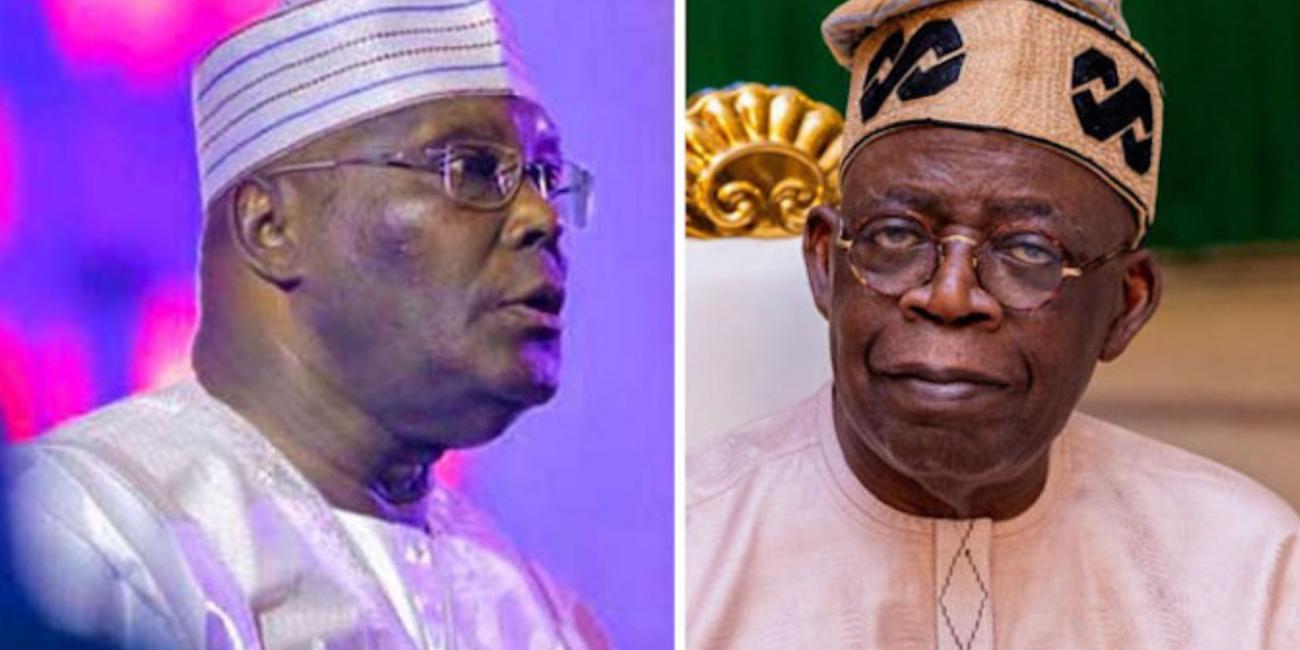
Former Vice President has launched a scathing attack on the administration of President , describing current economic reforms as “organised hardship” following a recent warning by the (IMF).
Reacting through his spokesperson, Phrank Shaibu, Atiku said the IMF’s position only confirms the daily realities faced by Nigerians, accusing the government of being disconnected from the struggles of ordinary citizens.
“At a time when Nigerians were promised renewed hope, what they have received is renewed hardship—raw, relentless, and unforgiving,” he stated.
Atiku painted a grim picture of the economy, highlighting rising inflation, a weakening naira, and soaring costs of food and transportation. According to him, many Nigerians are being pushed deeper into poverty despite fluctuations in global oil prices.
He also warned of a worsening social crisis, claiming that families are withdrawing children from school due to rising costs, while farmers abandon their lands over insecurity. Youth unemployment, he said, continues to surge, with graduates struggling to find opportunities.
“Small businesses are collapsing under the weight of high electricity tariffs, taxes, and a harsh economic environment,” he added.
The former presidential candidate further criticised what he described as excessive borrowing, warning that Nigeria risks placing the burden of today’s economic challenges on future generations without tangible results.
“We are borrowing like there is no tomorrow, yet there is nothing to show today—no jobs, no relief, only mounting debt and hardship,” he said.
Calling for urgent intervention, Atiku urged the government to abandon what he termed “trial-and-error economics” and focus on practical measures to stabilise prices, support small businesses, and ease the burden on citizens.
“This is not the time for speeches. It is the time for action,” he said, insisting that leadership must prioritise the welfare of Nigerians over theoretical economic policies.
The criticism adds to growing political pressure on the Tinubu administration as economic reforms continue to generate debate across the country.