SUNTV Global Channel Report
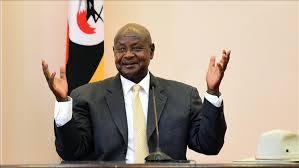
Ugandan President Yoweri Museveni has sparked fresh controversy after describing opposition politicians as “terrorists” during his victory speech, following his declaration as winner of the country’s 2026 presidential election.
Museveni, 81, who has ruled Uganda since 1986 after taking power as a rebel leader, was announced winner of the January 15 poll with 72 percent of the vote, securing a seventh term in office. The election, however, has been widely criticised by African election observers and international rights groups over allegations of heavy repression, intimidation of opposition figures, and a nationwide internet blackout.
In his address on Sunday, Museveni accused the main opposition party, the National Unity Platform (NUP), of plotting violent attacks to overturn the election outcome.
“Some of the opposition are wrong and also terrorists,” Museveni said, alleging they planned to attack polling stations in areas where they were losing.
“They are working with some foreigners and some homosexual groups. We know what you are doing, and you will not do it,” he added.
Bobi Wine’s Whereabouts Unclear
Meanwhile, the whereabouts of opposition leader Bobi Wine, whose real name is Robert Kyagulanyi and who officially scored 25 percent of the vote, remain uncertain. Wine said on Saturday that he escaped a police raid on his home and had gone into hiding.
Police denied carrying out any raid and insisted Wine was still at his residence, although journalists were prevented from accessing the area. Wine has not posted on X (formerly Twitter) since Saturday, when he accused the authorities of what he called the “blatant theft” of the election.
Internet Shutdown and Protests
Although limited internet access was restored late Saturday, the Ugandan government confirmed that social media platforms would remain blocked until further notice. Authorities defended the shutdown, saying it was necessary to prevent misinformation and incitement to violence.
Uganda has largely remained calm since the announcement of results, though AFP journalists reported small-scale protests in parts of Kampala on Saturday night, where tear gas was used to disperse crowds. By Sunday, security presence had eased, with shops reopening and residents returning to the streets.
Violence Allegations and Rights Concerns
The most serious violence reported on election day came from Butambala in central Uganda, where an opposition lawmaker claimed security forces killed at least 10 people at his home. Museveni backed the police version of events, stating the deaths occurred during a foiled attack on a ballot-tallying centre and police station, and alleged similar attacks were planned “everywhere.”
Human Rights Watch has accused the Ugandan government of “brutal repression” of opposition voices ahead of the election. African Union observers also reported incidents of intimidation, arrests, and abductions, warning that such actions undermined public trust in the electoral process.
As Museveni celebrates another decisive victory, critics say the election has deepened political tensions in Uganda, raising fresh concerns about democracy, human rights, and the future of opposition politics in the East African nation.
— SUNTV Global Channel