By SUNTV Global Channel | February 7, 2026
Fresh details have emerged on why Vice-President Kashim Shettima failed to visit Woro community in Kaiama Local Government Area of Kwara State, where terrorists reportedly massacred over 170 people, despite travelling to the state on a condolence mission.
Multiple highly placed sources at the Kwara State Government House told SUNTV Global Channel that Governor AbdulRahman AbdulRazaq allegedly discouraged the Vice-President from proceeding to the devastated community, citing distance and time constraints—claims the sources insist were false.

According to the sources, the real reason behind the aborted visit was the deplorable state of the road leading to Woro, which they said the state government was keen to conceal from the Vice-President and his entourage.
Investigations revealed that travellers from Ilorin to Kaiama must pass through Igbeti and Kishi in Oyo State before entering Baruten Local Government Area. Sources described the entire route as severely dilapidated, making it nearly impassable and potentially embarrassing for top government officials.
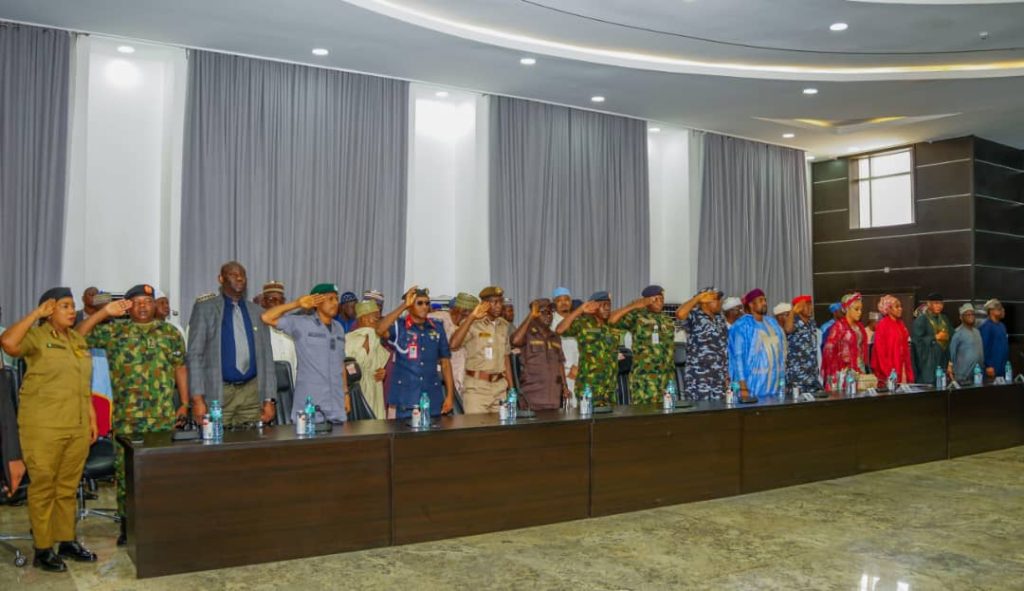
A senior government official, who spoke on condition of anonymity, described the decision as a missed opportunity for grieving families.
“The governor asked selected stakeholders from Woro and Kaiama to come to Ilorin instead of allowing the Vice-President to go to the community where over 170 people were slaughtered. What is the essence of a condolence visit if you don’t visit the people affected?” the source asked.
Another source questioned why alternative arrangements, such as a helicopter, were not made.

“If the government truly cared, why wasn’t a chopper provided to take the Vice-President directly to Woro? Why prevent him from seeing the devastation firsthand?” the source queried.
SUNTV Global Channel gathered that the Emir of Kaiama, Alhaji Mu’azu Shehu Omar, and the Chairman of Kaiama Local Government Area, Abubakar Abdullahi Danladi, had been in Ilorin since Friday, awaiting the Vice-President’s arrival.
Although Shettima’s visit was initially delayed due to a reported aircraft fault, sources said his eventual stay in Ilorin lasted less than 30 minutes before he departed for Owerri to attend Imo State’s 50th anniversary celebrations.
“This was meant to be a condolence visit to traumatised communities, but the Vice-President never met the victims or spoke to them directly,” a source lamented.
“This is the politicisation of tragedy. If leaders truly valued human lives, they would not shield themselves from the reality on ground.”
Despite not visiting Woro, Vice-President Shettima met with Governor AbdulRazaq at the Government House in Ilorin, where he described the attack as a shocking and unacceptable assault on peaceful citizens exercising their religious rights.
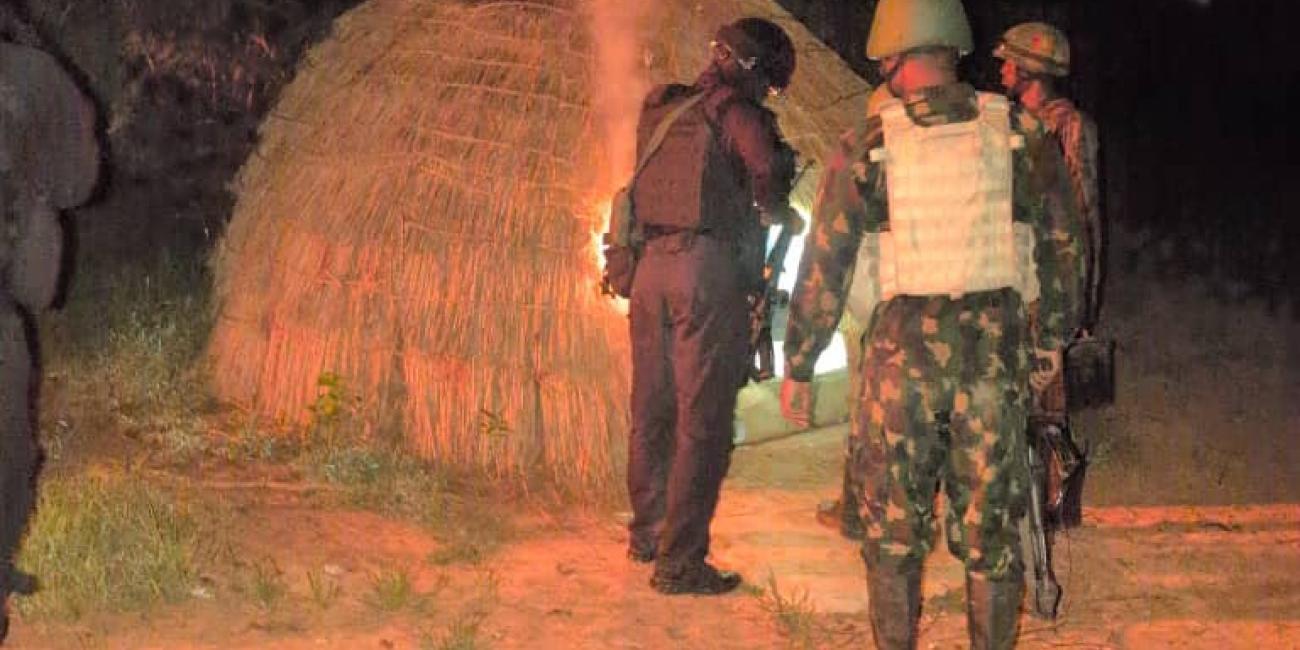
Speaking on behalf of President Bola Ahmed Tinubu, Shettima conveyed the Federal Government’s condolences to the people of Kaiama and Kwara State, announcing the deployment of a Nigerian Army battalion to secure the area and flush out the attackers.
He also disclosed that the President had directed the National Emergency Management Agency (NEMA), in collaboration with the Kwara State Emergency Management Agency, to mobilise relief materials for affected communities.
Governor AbdulRazaq, in his response, thanked the Federal Government for what he described as its swift intervention and deployment of security personnel.
Meanwhile, residents of Kaiama Local Government Area have accused the Kwara State Government of ignoring repeated security warnings months before the attack.
Community members told SUNTV Global Channel that youths had repeatedly alerted traditional rulers, local government officials, and state authorities about suspicious armed men camping in nearby forests.
“We reported strange armed people in the forest many times. We begged the government to act, but nobody listened,” a resident said.
Another added:
“Everybody knew. The traditional rulers, the local government, the state government—but no one came to protect us.”
The attack, residents say, could have been prevented if early warnings had been taken seriously.