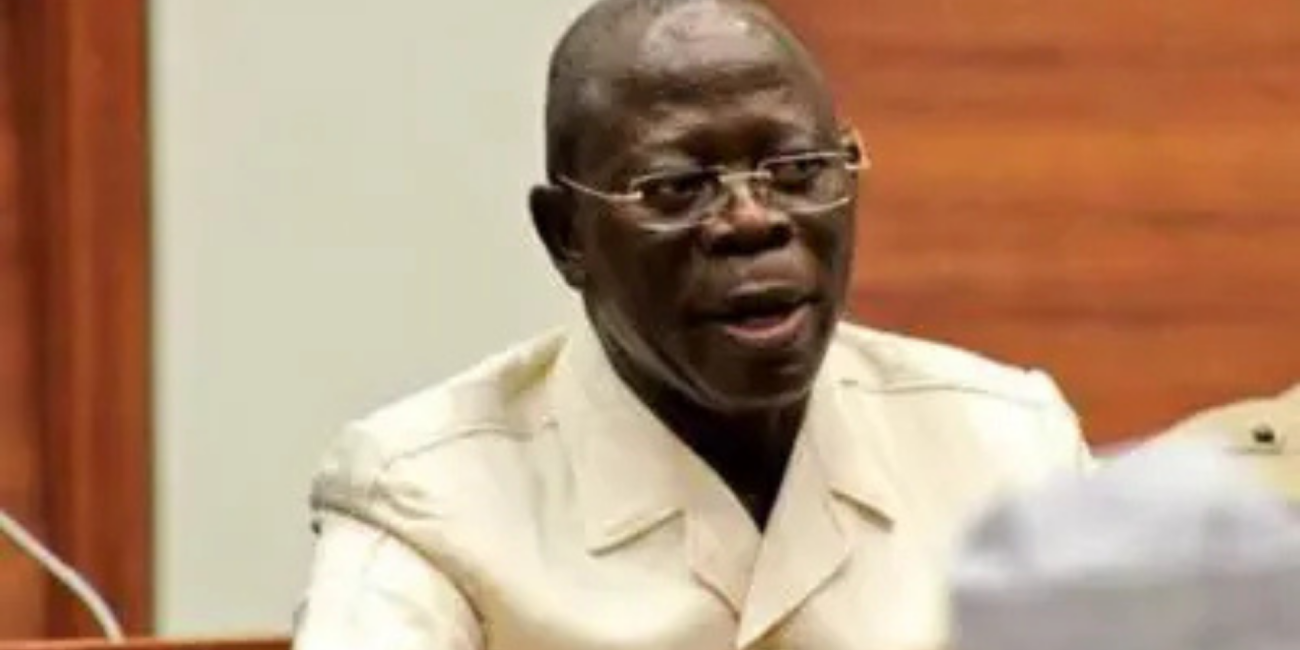
The dramatic outburst by Senator Adams Oshiomhole during the Senate Public Accounts Committee hearing has once again brought Nigeria’s long-standing transparency and accountability concerns in the oil sector into sharp focus.
By describing the Nigerian National Petroleum Company Limited (NNPCL) as a “house of thieves” and calling for the arrest of former Group Chief Executive Officer Mele Kyari over alleged unaccounted trillions of naira, Oshiomhole has reignited a national conversation about how Nigeria’s most important revenue-generating institution is managed.
While the allegations remain subject to investigation and due process, the senator’s remarks reflect growing public frustration over recurring reports of financial irregularities, missing revenues, and unanswered questions surrounding the management of the nation’s oil wealth.
At the heart of the controversy is not just the accusation against one individual but the broader issue of accountability in public institutions. Nigerians are increasingly demanding answers regarding how public resources are managed at a time when the country faces economic hardship, rising debt obligations, inflation, unemployment, and widespread poverty.
The Senate’s insistence that both former and current NNPCL officials appear before the committee underscores the importance of legislative oversight in a democratic system. If public officials are invited to answer questions concerning public funds, compliance should not be optional.
However, allegations alone do not amount to guilt. Any investigation must be conducted fairly, transparently, and in accordance with the law. The principle of due process remains essential to ensuring justice and maintaining public confidence in democratic institutions.
Beyond the political drama and fiery exchanges, the key issue remains whether Nigerians will finally get clear answers regarding the management of trillions of naira generated from the country’s oil resources.
As calls for accountability grow louder, many citizens will be watching closely to see whether this investigation leads to meaningful reforms or becomes another chapter in Nigeria’s long history of corruption allegations without consequences.
The bigger question remains: Can Nigeria truly win the fight against corruption if its most powerful institutions and officials are not held fully accountable?
— SUNTV Global Channel Political Desk