SUNTV Global Channel Report
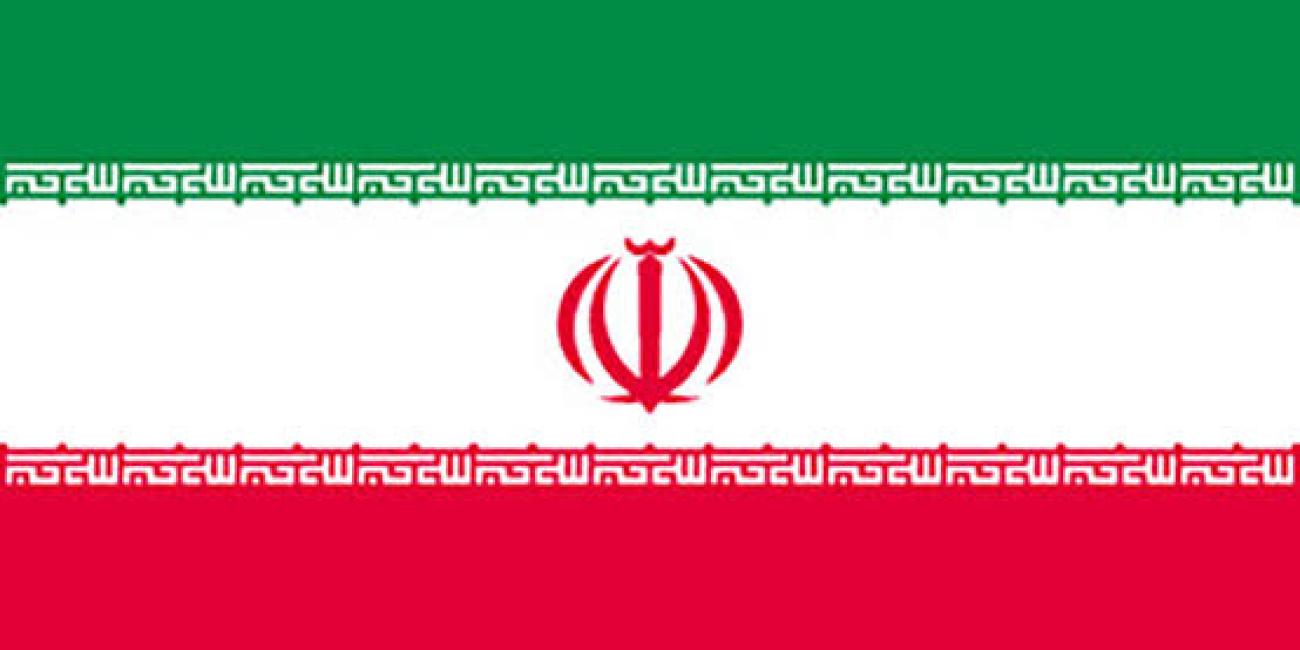
Iran has issued a strong warning to the United States, vowing a “harsh and regrettable” response to any new military action after U.S. President Donald Trump threatened fresh strikes on Iranian nuclear and missile facilities.
The warning was delivered on Tuesday by Iranian President Masoud Pezeshkian, who spoke amid escalating tensions between Tehran, Washington, and Israel following the deadly 12-day conflict in June.
Posting on X, Pezeshkian declared that Iran is fully prepared to retaliate if attacked.
“The response of the Islamic Republic of Iran to any oppressive aggression will be harsh and regrettable,” he stated.
His remarks came just hours after President Trump, speaking at his Mar-a-Lago residence in Florida alongside Israeli Prime Minister Benjamin Netanyahu, suggested that Iran may be rebuilding its military capabilities.
“Now I hear that Iran is trying to build up again, and if they are, we’re going to have to knock them down. We’ll knock the hell out of them,” Trump told reporters. He added that the United States would support immediate strikes on Iran’s nuclear programme and missile facilities if Tehran continues developing long-range weapons.
Israeli officials have also raised concerns, claiming Iran is quietly replenishing its ballistic missile arsenal, much of which was destroyed during the June conflict. One Israeli official told Ynet that military confrontation may become inevitable if diplomatic efforts fail to halt Iran’s missile programme.
Iran, however, maintains that its nuclear activities are strictly for civilian purposes. Before the June attacks, neither U.S. intelligence agencies nor the United Nations nuclear watchdog found evidence that Tehran was actively producing nuclear weapons.
Pezeshkian described the current standoff as a “full-scale war” involving the United States, Israel, and European powers, warning that it is more complex and dangerous than Iran’s 1980s war with Iraq, which claimed over one million lives.
During the June conflict, Israel carried out nearly 360 airstrikes across 27 Iranian provinces, targeting military bases, nuclear facilities, and key government sites. The strikes reportedly destroyed around 1,000 Iranian ballistic missiles, killed more than 30 senior military commanders, and left at least 11 nuclear scientists dead.
Iran responded by launching over 500 missiles toward Israel, with dozens landing in populated areas. While Trump later claimed Iran’s nuclear capabilities were “completely obliterated,” experts disputed the assertion, suggesting Tehran may have concealed enriched uranium stockpiles and could resume production within months.
Despite the heavy losses, Iranian officials insist the country has emerged stronger and better prepared for any future confrontation.
As rhetoric intensifies and diplomacy remains fragile, the Middle East faces renewed uncertainty, with fears growing that another major military escalation could be imminent.