June 17, 2026 | SUNTV Global Channel Analysis
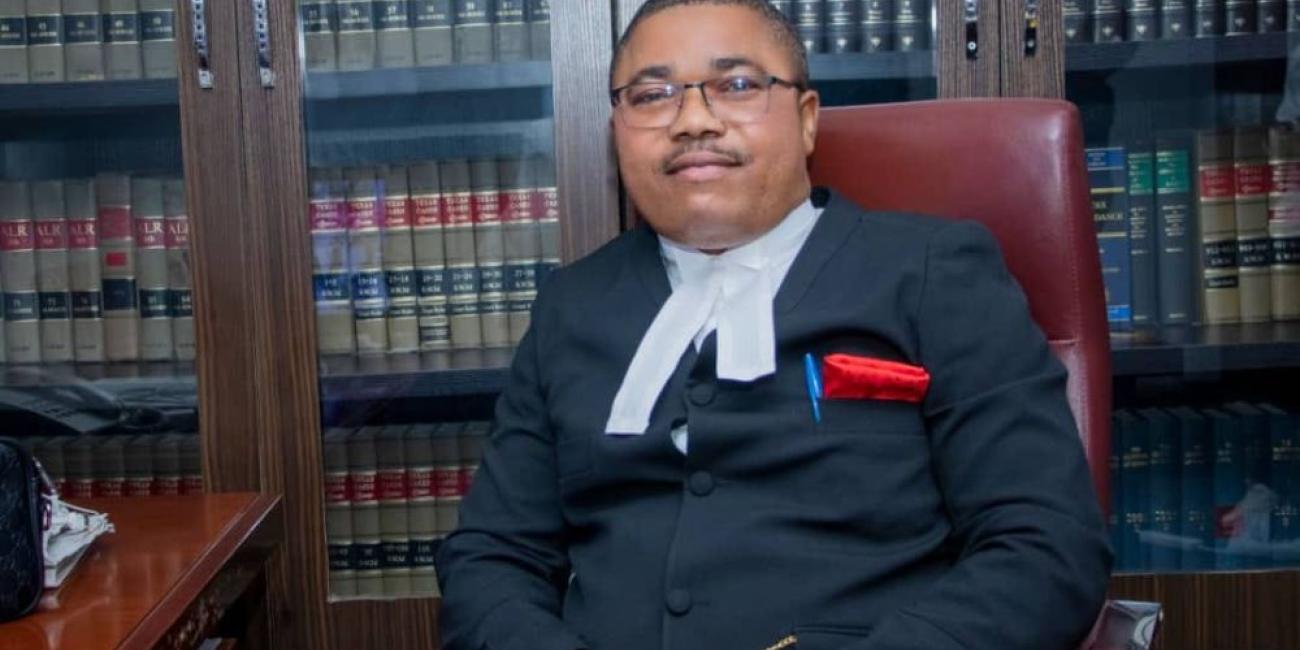
Counsel to the Indigenous People of Biafra (IPOB), Barrister Ifeanyi Ejiofor, has sparked fresh debate over Nigeria’s justice system after alleging that several detained Igbo youths were subjected to secret terrorism proceedings, prolonged detention, and pressure to enter guilty pleas.
At the heart of the controversy is the question of whether national security concerns can justify limitations on constitutional rights guaranteed to every Nigerian citizen.
Ejiofor argues that some detainees allegedly spent years in custody without trial and were later presented in court under circumstances he described as lacking transparency. He further claimed that some defendants were denied legal representation of their choice and pressured into pleading guilty.
If proven, such allegations would raise serious constitutional concerns regarding fair hearing, personal liberty, and access to legal counsel. Nigeria’s Constitution guarantees these rights regardless of the nature of the allegations against an accused person.
However, security agencies often maintain that terrorism-related cases involve sensitive intelligence and national security considerations that may require special procedures. Authorities have consistently argued that combating terrorism remains essential to protecting lives and preserving national stability.
The case highlights the continuing tension between security enforcement and civil liberties in Nigeria. Human rights advocates insist that even those accused of serious crimes deserve full constitutional protections, while security officials argue that extraordinary threats sometimes require extraordinary measures.
Another major issue raised by the lawyer concerns prolonged detention. Across Nigeria, concerns have repeatedly emerged regarding suspects spending extended periods in custody before their cases are concluded. Legal experts have long warned that delays in the justice system can undermine public confidence in the rule of law.
The allegations also touch on broader concerns surrounding the treatment of individuals linked to separatist movements in the South-East. Supporters of IPOB have often accused security agencies of targeting innocent civilians, while the government maintains that its actions are aimed at addressing security threats and enforcing the law.
As the controversy unfolds, attention is likely to focus on whether the courts, security agencies, or relevant authorities will respond to the claims and provide clarification regarding the conduct of the proceedings.
Ultimately, the debate extends beyond the specific case. It raises fundamental questions about how democratic societies balance national security with constitutional rights, and whether justice can truly be served when transparency and due process are called into question.
Key Takeaway: The allegations remain unproven, but they have reignited discussions about fair trials, prolonged detention, human rights protections, and the relationship between national security and civil liberties in Nigeria.