Friday, May 22, 2026 | By SUNTV Global Channel News Desk
The United States reportedly used nearly half of its advanced THAAD missile interceptors while defending Israel during the recent conflict with Iran, raising fresh concerns over America’s military readiness and growing global security commitments.
According to a report by The Washington Post, U.S. forces launched more than 200 Terminal High Altitude Area Defense (THAAD) interceptors to stop Iranian ballistic missile attacks targeting Israel.
American naval forces stationed in the eastern Mediterranean were also said to have fired more than 100 Standard Missile-3 and Standard Missile-6 interceptors during the operation.
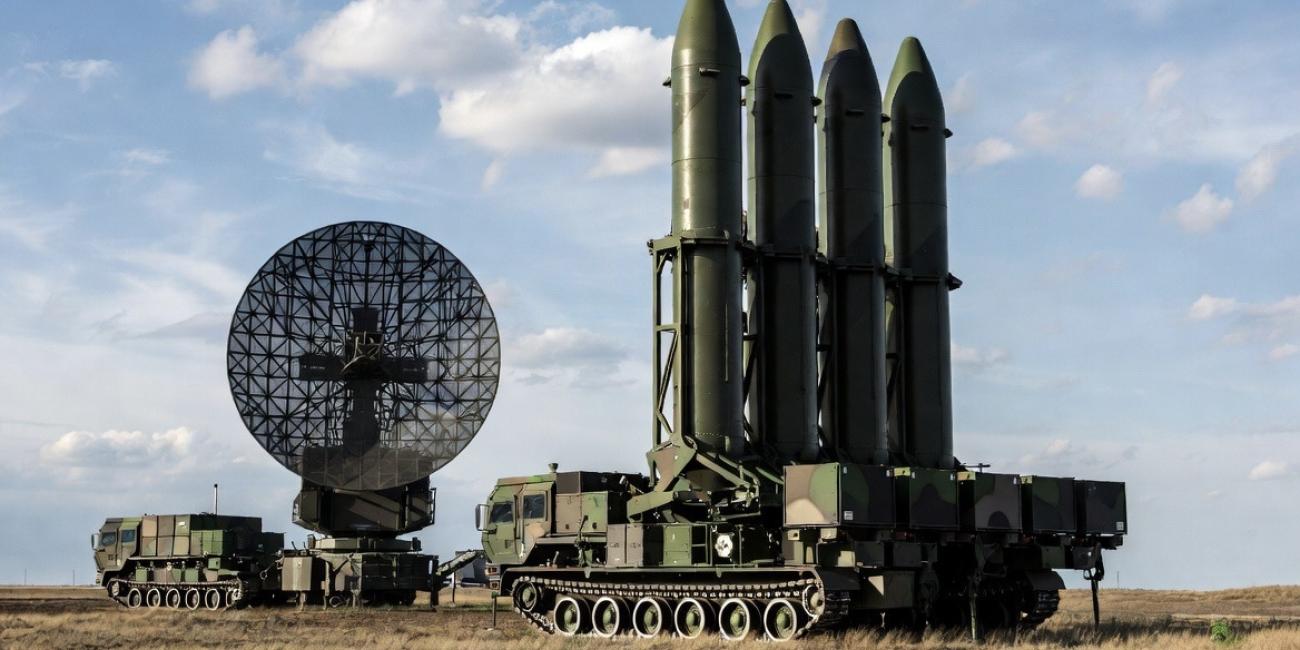
THAAD is regarded as one of the United States’ most sophisticated missile defence systems, designed to intercept short, medium, and intermediate-range ballistic missiles during the final stage of flight. Reports indicate that each interceptor costs over $12 million.
The heavy deployment has reportedly sparked concerns within the Pentagon over declining missile defence inventories, especially as tensions continue rising in regions such as East Asia, where allies including Japan and South Korea depend heavily on U.S. military support.
The report added that Israel used fewer of its own missile defence systems during the conflict, reportedly firing less than 100 Arrow interceptors and around 90 David’s Sling interceptors.
The conflict, which allegedly began on February 28 following coordinated U.S.-Israeli strikes on Iranian military targets, has intensified debates in Washington over the extent of America’s involvement in Middle East conflicts and the pressure such operations place on U.S. military resources.
While critics argued that the U.S. carried a disproportionate burden in defending Israel, American officials maintained that supporting Israel remains a key strategic priority.
— SUNTV Global Channel