SUNTV Global Channel | News Report | May 2, 2026
Nigeria’s financial obligations to the World Bank have increased significantly, rising by $2.08 billion within a year, according to fresh data released by the Debt Management Office (DMO).
The report shows that Nigeria’s total debt to the global financial institution climbed to $19.89 billion as of December 31, 2025, up from $17.81 billion recorded in 2024—representing an 11.7% year-on-year increase.
The World Bank exposure includes facilities from both the International Development Association (IDA) and the International Bank for Reconstruction and Development (IBRD).
According to the breakdown, IDA loans—typically concessional financing for low-income countries—rose from $16.56 billion in 2024 to $18.51 billion in 2025, marking an increase of $1.94 billion. Meanwhile, IBRD exposure also grew from $1.24 billion to $1.38 billion, an increase of $141.84 million.
The DMO further noted that World Bank loans now account for 38.36% of Nigeria’s total external debt stock, which stood at $51.86 billion at the end of 2025. This is slightly lower than the 38.90% share recorded in 2024, when external debt was $45.78 billion.
The development comes amid ongoing debates over Nigeria’s rising debt profile under the current administration. Critics have raised concerns about increasing borrowing levels and the impact on fiscal stability, especially as debt servicing continues to consume a significant portion of government revenue.
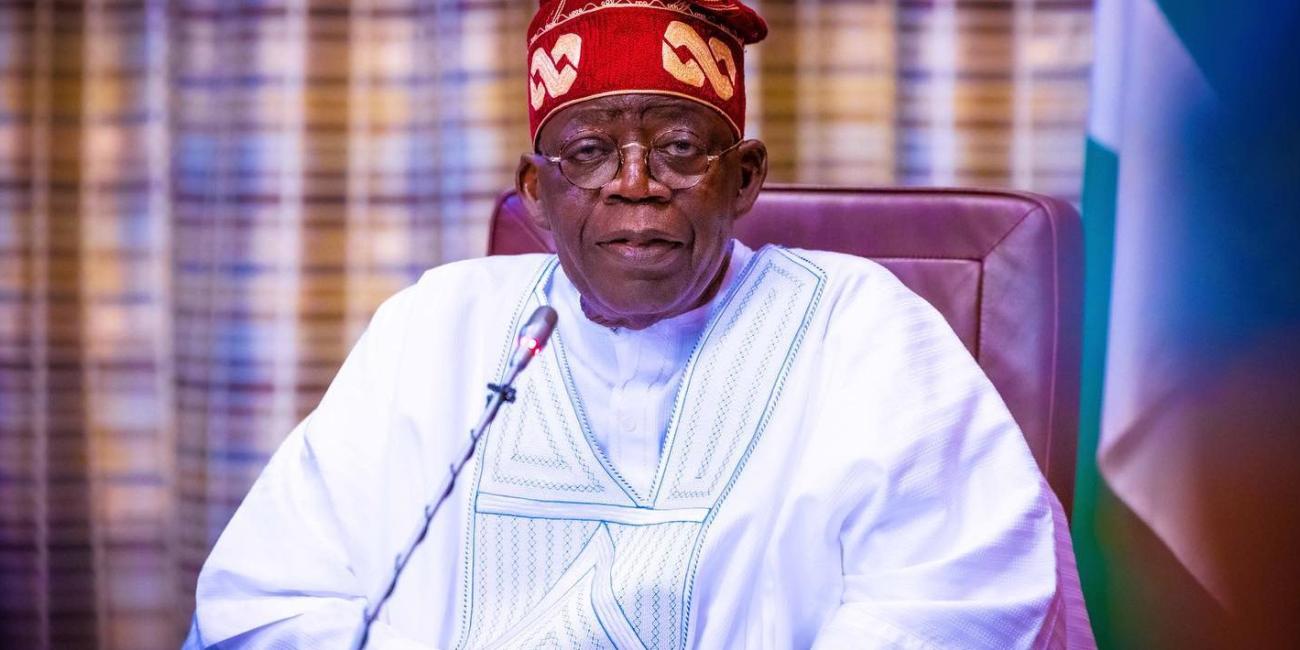
However, President Bola Tinubu has repeatedly defended the government’s borrowing strategy, insisting that loans remain essential for national development. In a widely circulated remark, he stated:
“If we have to borrow money, we will borrow. Borrowing money is not leprosy. We just have to work hard to give to people.”
Since 2023, Nigeria has secured multiple domestic and external loans aimed at funding infrastructure, social programmes, and economic reforms. These include multibillion-dollar facilities approved by international lenders and legislative backing for large-scale borrowing plans.
Recent approvals include a $2.25 billion World Bank facility in 2024, a $21 billion external borrowing plan in 2025, and a $516.3 million syndicated loan for the Sokoto–Badagry Superhighway project.
Meanwhile, Nigeria’s total public debt has continued to climb sharply, rising from about ₦97 trillion in 2023 to an estimated ₦159 trillion in 2026, driven by new borrowings and currency depreciation.
Economists and opposition figures have warned that rising debt servicing costs could further strain public finances, potentially limiting spending on critical sectors such as healthcare, education, and infrastructure.
As debates continue, concerns remain over the long-term sustainability of Nigeria’s debt trajectory and its implications for future generations.
— SUNTV Global Channel News