March 3, 2026 | News
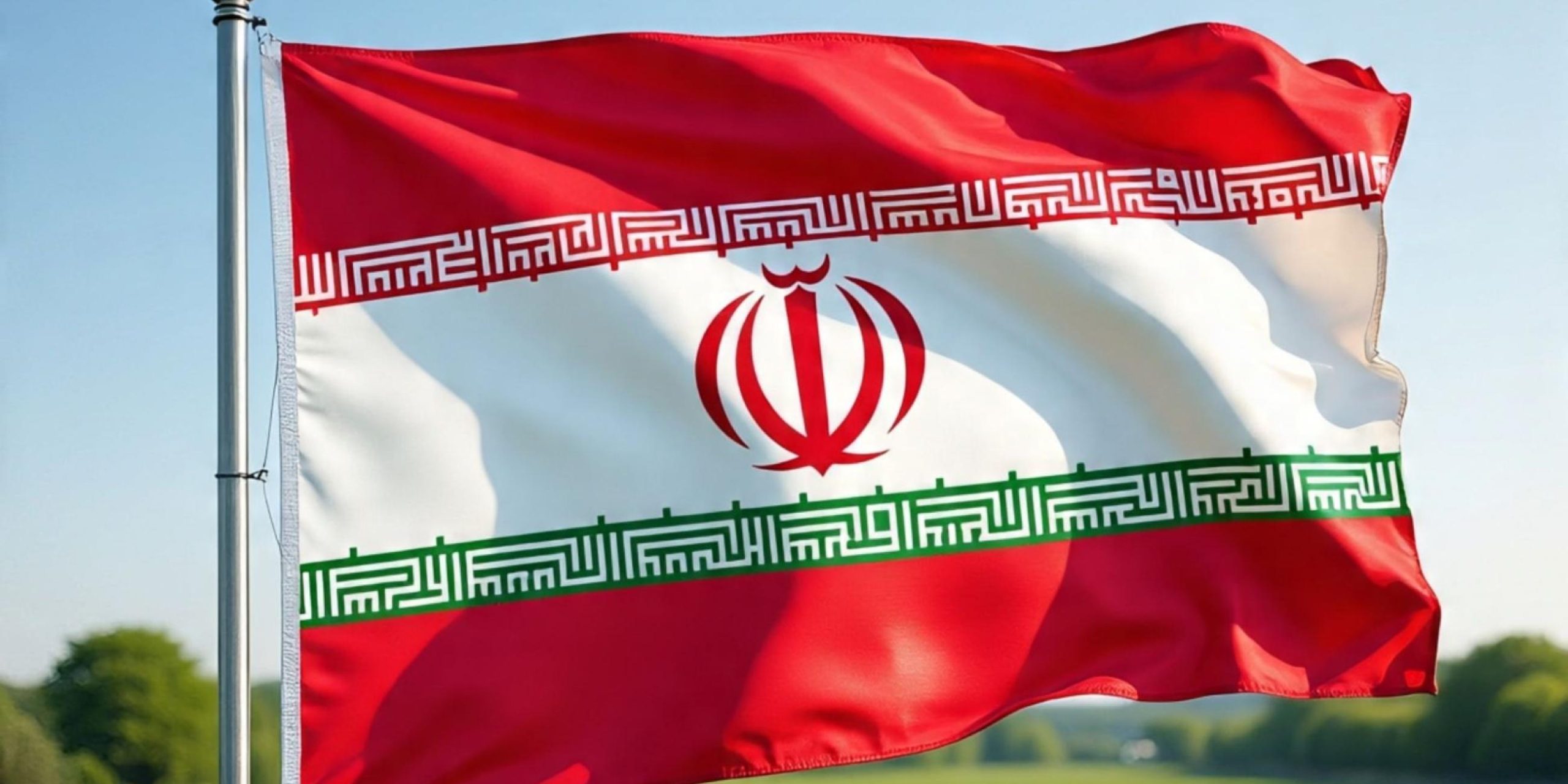
SUNTV Global Channel reports that tensions in the Middle East have escalated sharply after a senior Iranian military commander warned that Tehran could target major economic centres across the region if attacks by the United States and Israel persist.
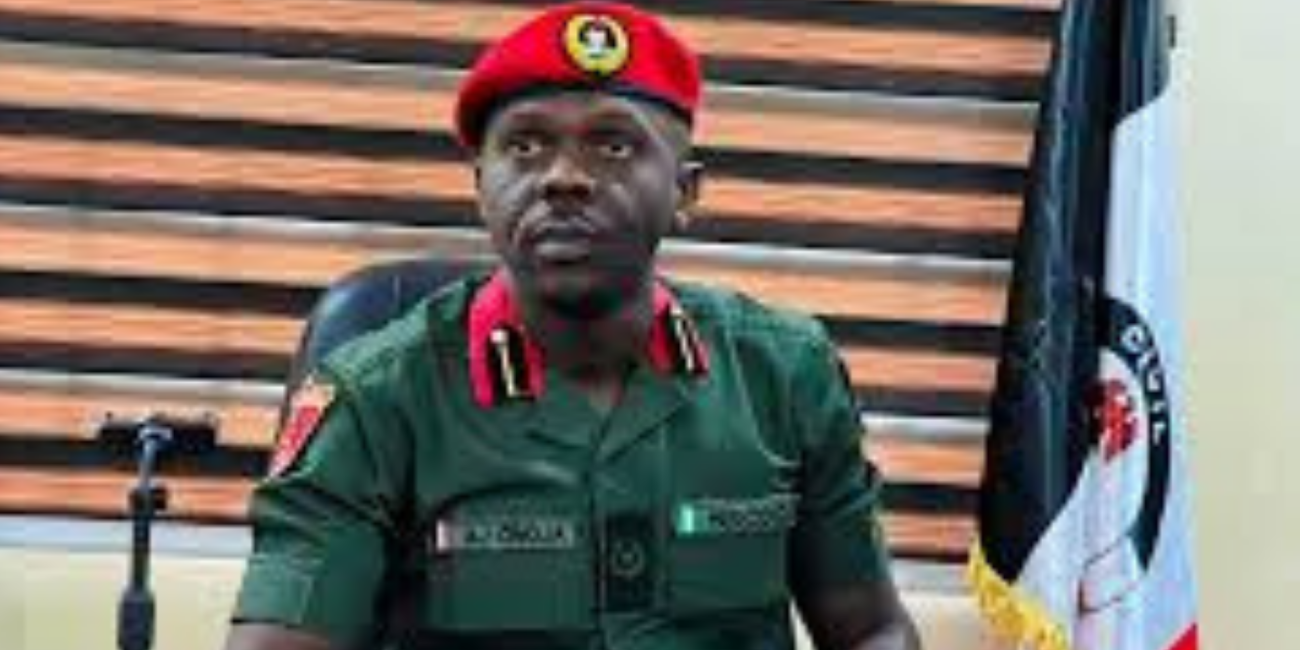
Speaking amid intensifying hostilities, General Ebrahim Jabbari of the Islamic Revolutionary Guard Corps (IRGC) declared that Iran would respond decisively to what he described as assaults on the country’s “main centres.”
“We are saying to the enemy that if it decides to hit our main centres, we will hit all economic centres in the region,” Jabbari said, according to Iran’s state-linked media, as quoted by Al Jazeera.
Jabbari further claimed that Iran has shut down the Strait of Hormuz, one of the world’s most critical maritime oil routes. The narrow passage handles roughly 20 million barrels of crude oil per day — nearly one-fifth of global daily consumption — and is vital for liquefied natural gas exports from Gulf producers such as Qatar and the United Arab Emirates.
Energy analysts warn that any prolonged disruption could send shockwaves through global markets. Oil prices, currently hovering above $80 per barrel, could surge dramatically. Jabbari was quoted as saying prices may spike toward $200 if the standoff deepens.
Regional governments are reportedly on high alert over the vulnerability of strategic installations, including oil fields, power grids, desalination plants, and export terminals.
Security experts say the unfolding situation signals a significant shift in the region’s threat dynamics. For years, Gulf states have primarily focused on non-state actors such as the Houthi movement in Yemen and Hezbollah in Lebanon.
However, the current standoff reflects a move toward more direct state-level confrontation, raising fears of broader economic and geopolitical consequences.
Amid the external tensions, commentary has also emerged from exiled Iranian figures. Farah Pahlavi, widow of the late Shah Mohammad Reza Pahlavi, stated that even the eventual death of Supreme Leader Ali Khamenei would not automatically dismantle the Islamic Republic.
“The passing of a man, however central he may be to the architecture of power, does not automatically mean the end of a system,” she reportedly said from exile in Paris.
She added that her son, Reza Pahlavi, is preparing for what she described as a potential peaceful transition should political conditions shift.
Meanwhile, diplomatic channels remain active. Foreign ministers of the European Union are scheduled to hold virtual talks with representatives of the Gulf Cooperation Council to assess the economic and security fallout.
With oil markets jittery and regional capitals bracing for possible escalation, analysts warn that any miscalculation could ignite wider instability across the Middle East — with global repercussions.
SUNTV Global Channel will continue to monitor developments as the crisis unfolds.