Nigeria is confronting a critical national dilemma as concerns grow over the alleged intersection of political influence, terrorism financing, and weak accountability systems, raising urgent questions about justice, governance, and national security.
Security experts and policy observers warn that threats to the Nigerian state are no longer limited to armed groups in forests and conflict zones. Increasingly, attention is shifting toward those accused of funding violence, protecting perpetrators, or exploiting insecurity for political and economic advantage.
Analysts say Nigeria now stands at a decisive crossroads: take bold action against terror sponsors or risk long-term reputational damage that could undermine investor confidence, diplomatic ties, and its leadership role across Africa.
Often called the “Giant of Africa,” Nigeria holds enormous regional influence due to its population of over 200 million people, its status as one of Africa’s largest economies, and its position as a major oil producer. However, persistent insecurity, governance challenges, and economic pressures continue to threaten both national stability and regional confidence.
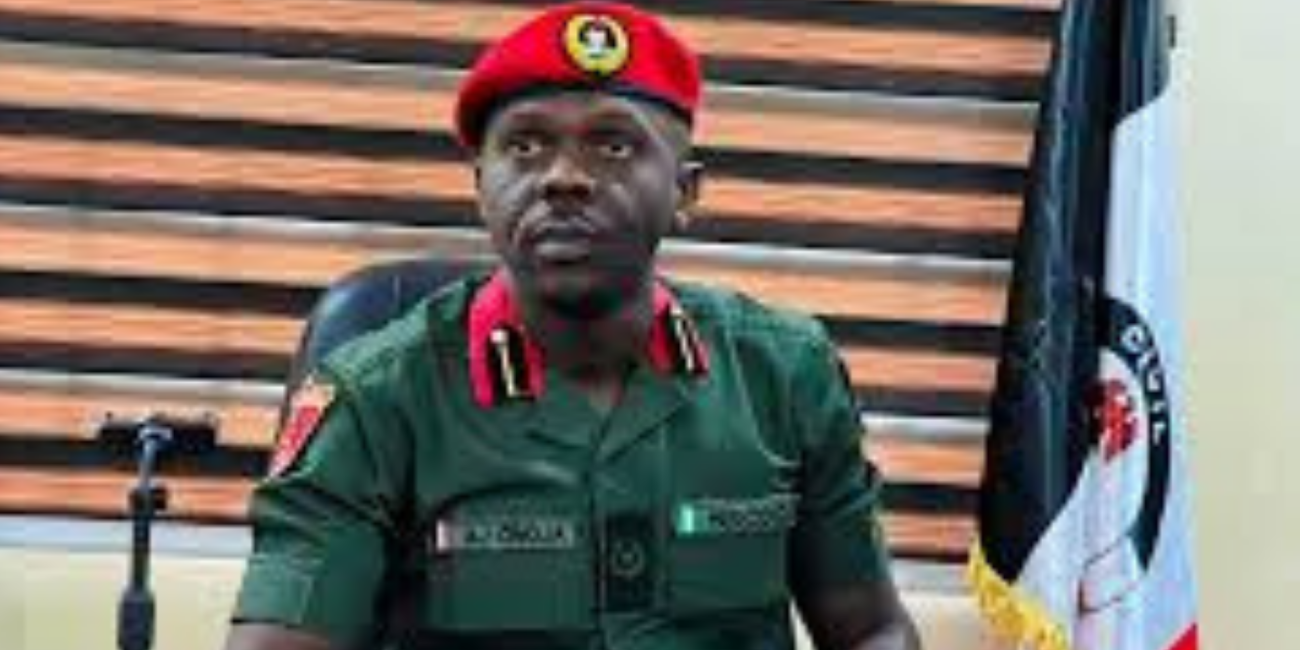
Recent developments have intensified public concern. In December 2025, Nigeria’s former Chief of Defence Staff reportedly stated that certain politicians were involved in financing terrorism and were being shielded from scrutiny.
The revelation reinforced longstanding fears among citizens that powerful figures may operate above the law, fueling distrust in the justice system.
Observers say such allegations must move beyond speculation into transparent investigations and credible legal proceedings. Experts stress that accountability must be public, impartial, and consistent to restore confidence in state institutions.
Past remarks by political leaders have also stirred national debate.
In 2021, a former Zamfara State governor sparked outrage after controversial comments about bandits were widely interpreted as sympathetic to armed groups. Though later clarified, the episode highlighted the sensitivity of leadership rhetoric in a nation grappling with widespread violence.
Similarly, some state governors have publicly accused unnamed politicians and lawmakers of sponsoring insecurity in their regions, further intensifying public skepticism toward political elites.
Security analysts warn that Nigeria’s challenge extends beyond domestic stability.
Under global counter-terrorism frameworks led by bodies such as the United Nations, countries are expected to actively investigate and prosecute terror financing.
Failure to act decisively could expose Nigeria to international pressure, sanctions, or reputational risks similar to those faced by countries previously designated as sponsors of terrorism by the United States.
Experts caution that inaction would weaken Nigeria’s global standing and its role as a regional stabilizing force.
The cost of ongoing violence remains severe.
Thousands of Nigerians have been killed, millions displaced, and entire communities destroyed. Internally displaced persons camps continue to expand, while insecurity has disrupted agriculture, discouraged investment, and forced government spending toward emergency security operations.
Analysts also point to deeper structural drivers of instability, including poverty, unemployment, corruption, and weak governance systems that enable recruitment into violent networks.
Policy experts emphasize that Nigeria’s response must combine law enforcement, institutional reform, and socio-economic development.
Key priorities include:
- Transparent investigations into alleged terror sponsors
- Strengthened intelligence coordination
- Anti-corruption reforms in security funding
- Economic policies targeting poverty and youth unemployment
Observers say justice must be applied equally, regardless of political status, to restore public trust.
Security analysts conclude that Nigeria’s future stability hinges on confronting terror financing networks with courage and transparency.
If decisive action is taken, the country could reinforce its democratic institutions and global reputation. Failure, however, risks deepening instability and eroding public confidence in governance.
For many Nigerians, the stakes are clear: the fight against terrorism is no longer only about weapons — it is about accountability, political will, and the rule of law.