Woro, Kwara State – February 18, 2026 –
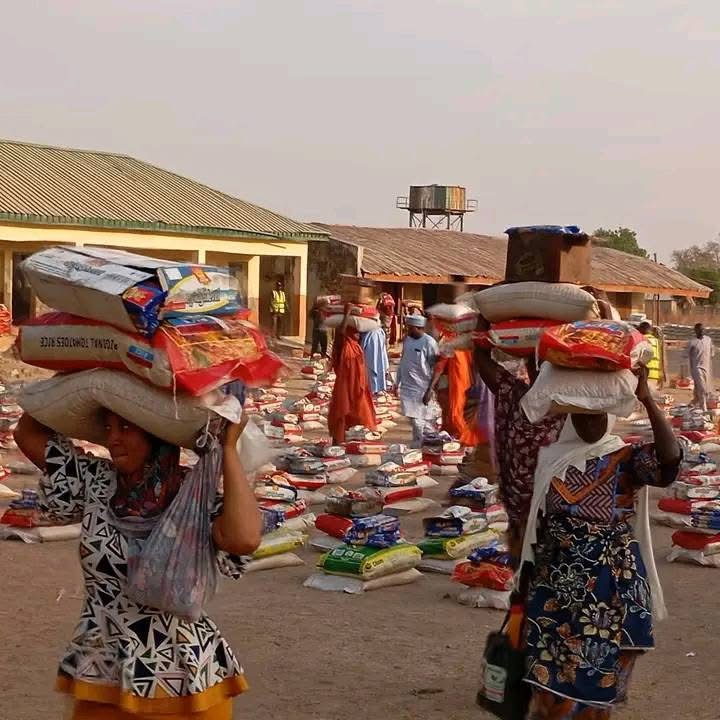
Survivors of the February 4 massacre in Woro community have accused Kwara State officials of turning humanitarian relief into a political tool, allegedly using rice and other food palliatives to solicit support for the ruling All Progressives Congress (APC).
The coordinated evening attack by suspected terrorists left over 200 villagers dead, including two wives of the Emir of Woro, several of his children, the Chief Imam, a school principal, and a headmistress. The Emir, Alhaji Saliu Bio Umar, remains missing amid fears of abduction or death. Security sources linked the assailants to a Sadiku-led Boko Haram faction with operational ties to Sahel-based terror networks.
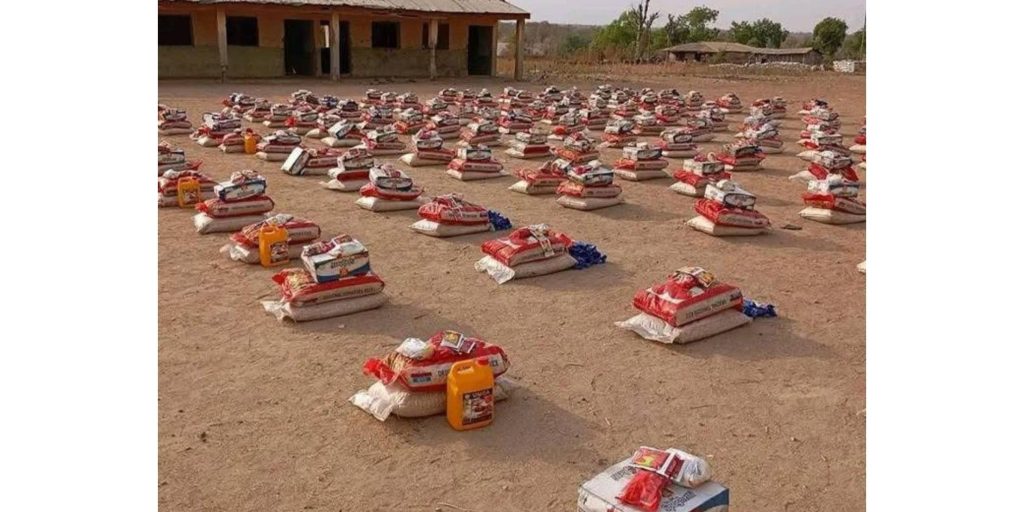
In exclusive interviews with SUNTV, displaced residents from Woro, Baburasa, and Wawa communities claimed that the relief distribution was politically motivated. Many said the actual victims of the attack were excluded from the exercise, which they described as “more of an APC rally than genuine assistance.”
“We are farmers. Food is not our problem. What we need is security so we can return home,” said one displaced woman. Another man added, “All they talked about was support for APC. It felt like they were rewarding party loyalists instead of helping those who suffered.”
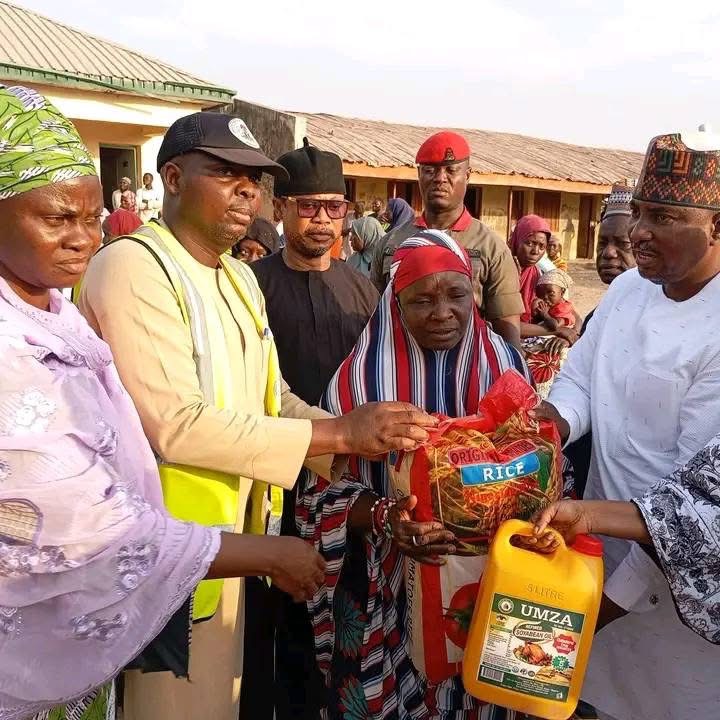
Residents specifically accused the Vice Chairman of Kaiama Local Government, Hajjia Abubakar Aishat Sadiq, of leading the allegedly politicised relief effort. “It was not about our pain,” one woman said. “They turned our tragedy into a campaign.”
The Kwara State Government, through the Emergency Management Agency and the Committee on Woro and Nuku Attacks, had announced relief efforts for affected households, stating that more than 550 homes have benefited in the second phase of distribution. Officials claimed the intervention aims to alleviate the impact of the violence and restore normalcy.
However, survivors insist that political considerations overshadowed genuine humanitarian concerns. “We are not begging for rice. We want protection. With security, we can return to our farms and feed ourselves,” one displaced resident told SUNTV.
The allegations add to growing concerns over the intersection of politics and relief operations in regions vulnerable to terrorism, highlighting the urgent need for security and support for victims beyond food aid.