By SUNTV Global Channel | February 2, 2026
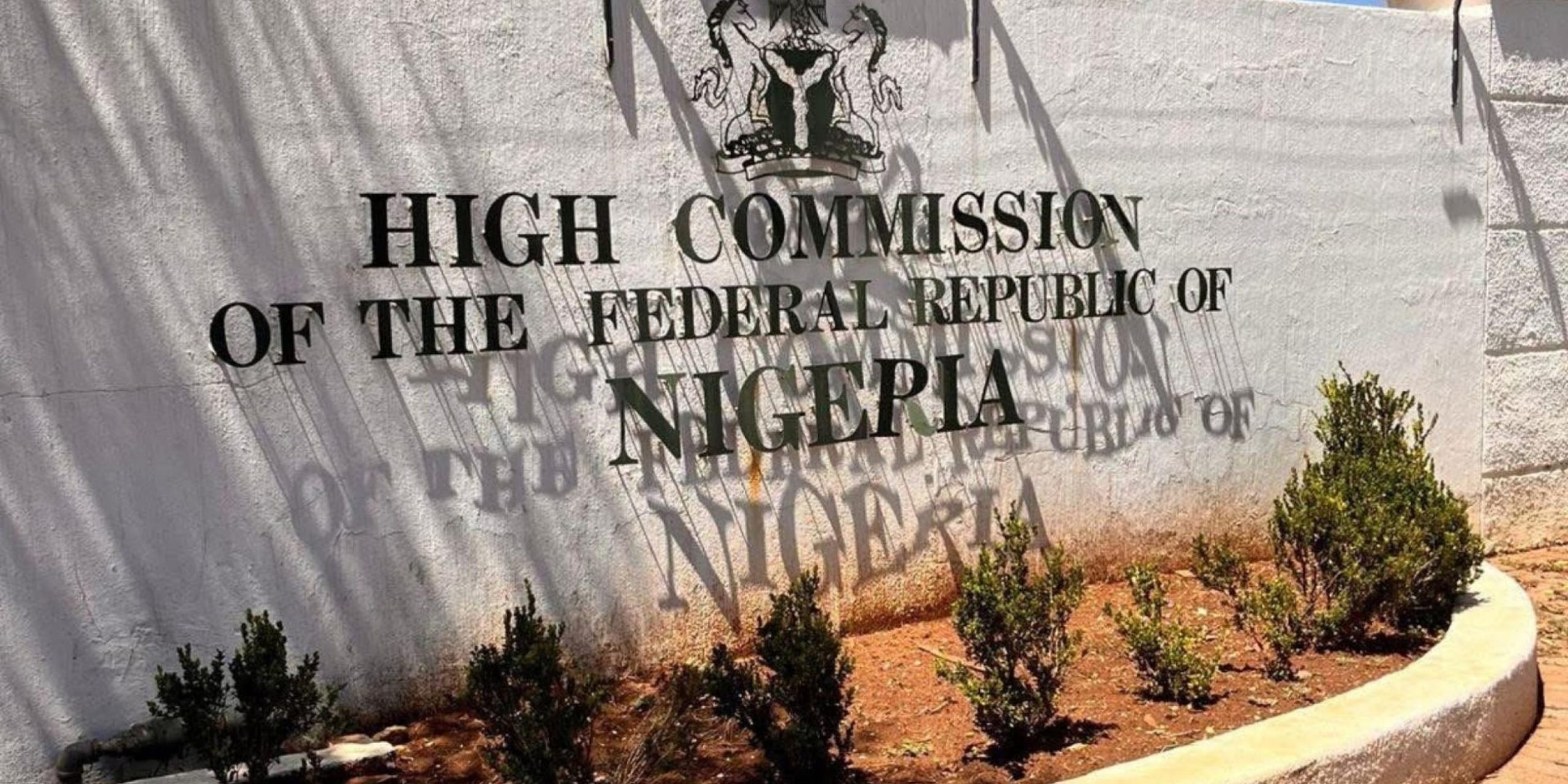
The City of Tshwane in South Africa temporarily disconnected electricity supply to the Nigerian High Commission over unpaid utility bills, sparking public debate before power was restored following settlement of the outstanding debt.
The development was confirmed by the Executive Mayor of Tshwane, Dr. Nasiphi Moya, via a post on X (formerly Twitter), where she announced the action taken against the diplomatic mission.
“#TshwaneYaTima: We’ve disconnected electricity at the High Commission of the Federal Republic of Nigeria. They owe the city for utility services,” Moya wrote.
The move quickly generated reactions online, with many South Africans and Nigerians questioning how a foreign diplomatic mission could accumulate unpaid utility charges in its host country.
Hours later, the Mayor issued an update confirming that the Nigerian High Commission had cleared its outstanding obligations, prompting the city to restore electricity.
“We thank the High Commission of the Federal Republic of Nigeria for honouring its debt to the city. The city will reconnect electricity,” Moya stated.
As of the time of this report, neither the Nigerian High Commission in Pretoria nor the Ministry of Foreign Affairs in Abuja has issued an official statement addressing the incident.
Rising Concerns Over Nigeria’s Foreign Missions
The episode has reignited concerns over the funding and management of Nigeria’s foreign missions, particularly issues relating to operational costs, facility maintenance, and the welfare of diplomatic staff in several countries.
The incident mirrors similar challenges at home. In February 2024, Abuja Electricity Distribution Plc (AEDC) issued disconnection notices to several high-profile institutions over unpaid electricity bills running into tens of billions of naira.
Among those listed were the Presidential Villa, the Central Bank of Nigeria (CBN), ECOWAS headquarters, multiple federal ministries, and security agencies.
At the time, AEDC disclosed that the Presidential Villa alone owed over ₦923 million, while outstanding debts across ministries, departments, and agencies (MDAs) totaled more than ₦47 billion.
The power company said it was compelled to publish the debt details after repeated efforts to recover the funds failed, warning that non-payment would lead to disconnection.
A Pattern of Institutional Debt
Observers say the Tshwane incident underscores a broader pattern of financial management challenges facing Nigerian public institutions, both locally and abroad, raising questions about accountability and timely release of operational funds.
SUNTV Global Channel will continue to monitor developments and provide updates as more details emerge.