By SUNTV Global Channel
January 31, 2026 | News
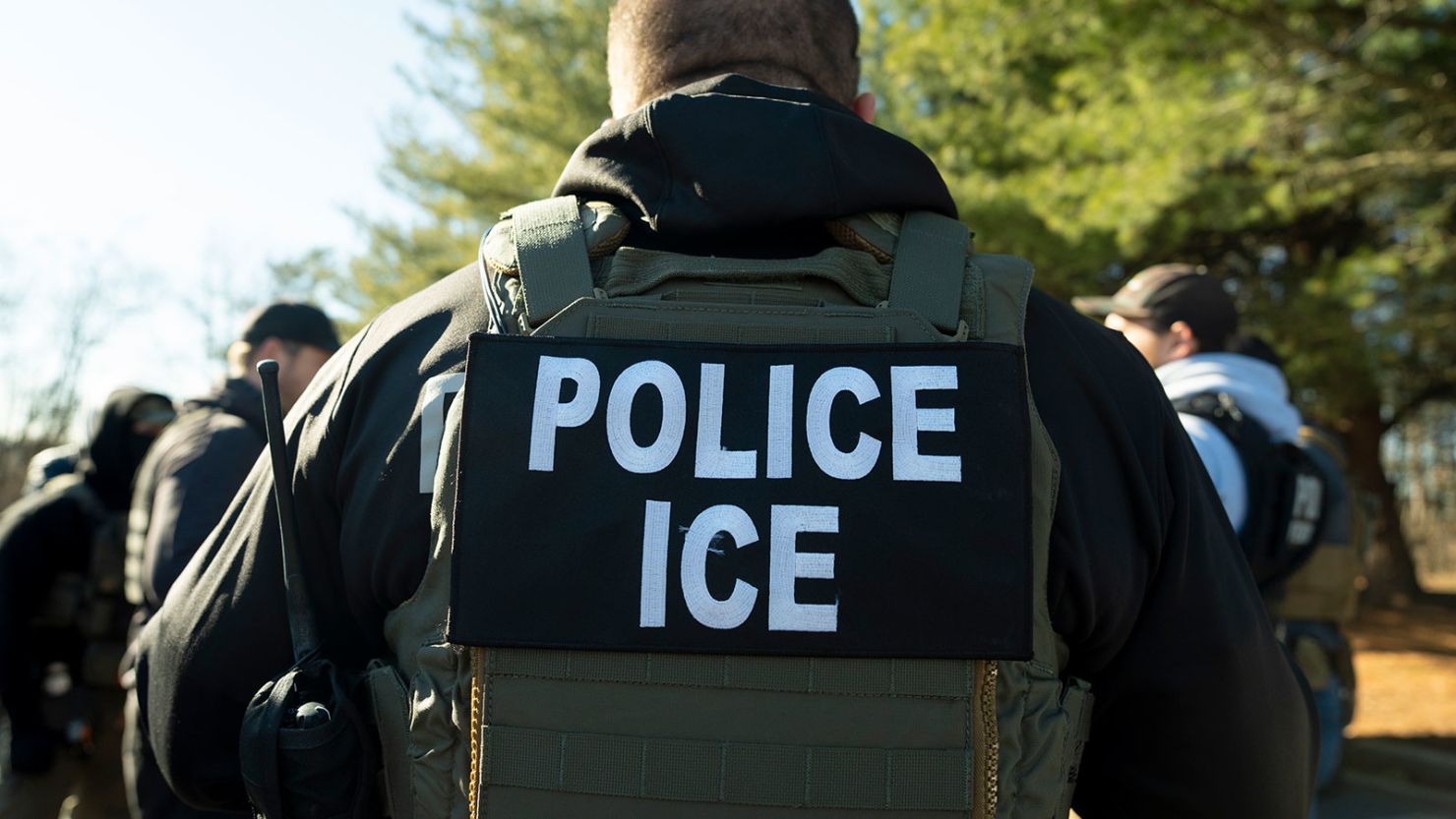
An atmosphere of fear and uncertainty has reportedly swept through Nigerian immigrant communities across the United States as intensified immigration raids by the U.S. Immigration and Customs Enforcement (ICE) continue under President Donald Trump’s administration.
Findings indicate that many Nigerians are now avoiding public spaces, abandoning jobs, and, in some cases, quietly returning to Nigeria through self-arranged departures, while others have chosen to go into hiding rather than risk arrest.
According to reports by PUNCH, the aggressive enforcement strategy—marked by door-to-door raids and workplace operations—has disrupted daily life for thousands of immigrants. Many Nigerians are said to be limiting movement, staying indoors for weeks, and relying on informal, home-based businesses to survive.
President Trump renewed his crackdown on undocumented immigrants shortly after his inauguration in January 2025, defending the policy as a necessary step to enforce U.S. immigration laws. However, civil rights groups and immigrant advocates have strongly criticised the approach, accusing ICE of excessive force and inhumane treatment.
Rising Death Toll Raises Alarm
Concerns have been further heightened by reports of deaths linked to immigration enforcement. Official records show that at least 32 people died in ICE custody in 2025, making it the deadliest year for immigration detention deaths in over two decades. In 2026 alone, The Guardian (UK) reported that no fewer than eight people have died during encounters involving ICE officers.
Public outrage intensified following two fatal shootings in Minneapolis, Minnesota. On January 7, 37-year-old Renée Good was shot by an ICE agent during an enforcement operation. A medical examiner later ruled her death a homicide caused by multiple gunshot wounds. Weeks later, on January 24, another 37-year-old, Alex Pretti—an intensive care nurse at the Minneapolis VA Medical Center—was also shot and killed during a federal immigration operation in the same city.
Since the renewed crackdown began, estimates suggest that about 70,000 people have been detained by ICE, while roughly 540,000 immigrants have been deported to their countries of origin.
Nigerians Living in Fear
A Nigerian woman living in the U.S., who spoke anonymously, described widespread panic and trauma within immigrant communities, saying the fear of ICE raids has pushed many Nigerians off the streets and out of regular employment.
“It is very traumatising the way ICE is treating immigrants,” she said. “If President Trump wants immigrants to leave America, he should just say so openly. The way people are being treated is inhumane.”
She added that ICE agents often show little regard for legal status during operations, recounting cases where individuals claiming U.S. citizenship were allegedly ignored.
According to her, many Nigerians have turned to online trading and home-based work to avoid detection. She cited instances of shop assistants and factory workers abandoning their jobs after ICE activity was reported in their neighbourhoods, particularly in states like New Jersey.
“People are staying indoors because of fear,” she said. “Some families now depend on support from relatives who still work. Others sell goods from home or cook meals for online orders picked up privately.”
Community Leaders React
The President of the Nigerian Community in Maryland, Mrs Chris Ademiluyi, confirmed that many Nigerians have opted to go into hiding rather than return to Nigeria.
“They are in hiding instead. Nigeria is not any better,” she said, noting that fear has prevented many affected individuals from speaking publicly. She added that Nigerian-American citizens are largely shielded, while community organisations are offering support to vulnerable immigrants.
The situation has also sparked debate among Nigerians on social media. The Lead Pastor of Lighthouse/Rejuvenation Church in Rosenberg, Texas, Pastor Shola Adeoye, cautioned against fear-driven decisions.
“Some Nigerians are moving back home due to fear of this administration. It’s not wise to bury yourself before death,” he wrote on Facebook.
Reactions were mixed, with some arguing that the trauma of forced deportation could permanently discourage affected immigrants from returning to the U.S., while others believe voluntary departure allows individuals to leave with dignity and preparation.
Visa Restrictions Deepen Crisis
Beyond enforcement raids, policy changes have compounded the pressure. The Executive Director of the Nigerian Center, a Washington, DC-based non-profit, Mr Gbenga Ogunjimi, revealed a surge in Nigerians seeking help.
He described the situation as “multi-layered,” pointing to visa restrictions and broader immigration policy shifts. According to him, Nigeria was designated a Country of Particular Concern before a partial visa ban was imposed in December 2025, suspending most visa categories, including non-immigrant visas.
“What many Nigerians in the U.S. were not told is that the ban also affects their ability to apply for citizenship, green cards, work authorisation, and asylum,” Ogunjimi said.
He noted that voluntary departure, also known as self-deportation, is becoming increasingly common, though his organisation often advises against hasty decisions, especially for those who may still qualify for waivers or legal remedies.
Uncertain Future
As ICE enforcement continues nationwide, uncertainty remains the defining reality for many Nigerians living in the United States—caught between the fear of arrest abroad and the harsh economic and security realities awaiting them back home.
For now, many are choosing silence, seclusion, and survival, hoping the storm will pass.
SUNTV Global Channel — Best in News, Sports and Entertainment.