April 19, 2026 | SUNTV Global Channel News Desk
An economics and technology management expert, Professor Banji Oyelaran-Oyeyinka, has raised serious concerns over Nigeria’s long-standing failure to operationalise the Ajaokuta Steel Company, revealing that the country may have spent about $10 billion on the project without producing a single tonne of steel.
Speaking at a virtual international conference on Ajaokuta on April 16, 2026, the professor described the project as one of Nigeria’s most costly industrial failures, calling it a “monument to unrealised potential” and a “tragic failure of leadership.”
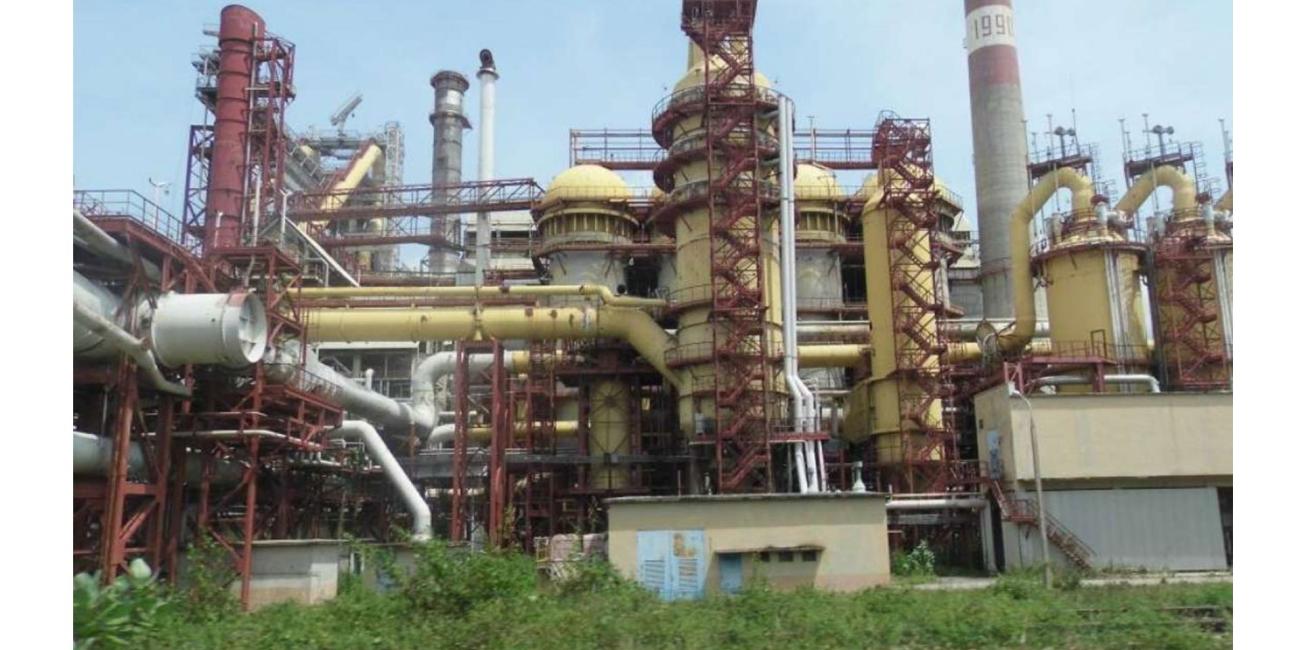
The Ajaokuta Steel Complex, located in Kogi State and covering about 24,000 hectares, was designed to produce about 1.3 million tonnes of steel annually. It reportedly reached about 98 percent completion in the early 1990s but has remained largely inactive for decades.
According to Oyelaran-Oyeyinka, continued government spending on the facility represents what economists describe as the “sunk cost fallacy,” where additional funds are poured into a project despite poor or no returns.
He further noted that Nigeria continues to import billions of dollars worth of steel annually, despite having the capacity to meet a significant portion of its demand locally if the project had been completed.
The professor estimated that Nigeria spends about $4 billion yearly on steel imports, arguing that a functional Ajaokuta could have saved the country nearly $1 billion annually in foreign exchange while also creating thousands of jobs.
He said that over a 40-year period, Nigeria may have lost more than $36 billion in potential economic value due to the failure of the project.
Oyelaran-Oyeyinka compared Nigeria’s situation with industrial economies such as China and India, which successfully used steel production as a foundation for rapid industrialisation and economic growth.
He blamed decades of policy inconsistency, poor leadership, and mismanagement for the stagnation of the project, describing the situation as a “national embarrassment” for a country of over 200 million people without functional primary steel production.
The professor also highlighted the social and economic impact of the project’s failure, noting that Ajaokuta was originally expected to create over 10,000 direct jobs and hundreds of thousands of indirect employment opportunities across related industries.
He warned that the continued abandonment of the steel complex has denied Nigeria industrial skills development in areas such as metallurgy, engineering, and manufacturing.
Oyelaran-Oyeyinka called for urgent reforms, recommending privatisation of the facility and partnership with experienced global steel operators, arguing that government management alone has failed to deliver results.
He insisted that a properly revived Ajaokuta Steel Plant could still transform Nigeria’s economy, potentially generating between $9 billion and $14 billion annually while significantly boosting industrial output and employment.
According to him, the project is no longer just about steel production but about economic sovereignty and Nigeria’s ability to industrialise independently.
He concluded by urging policymakers to either fully revive the plant or allow private sector-driven alternatives to take over, stressing that continued delay would only deepen Nigeria’s industrial stagnation.