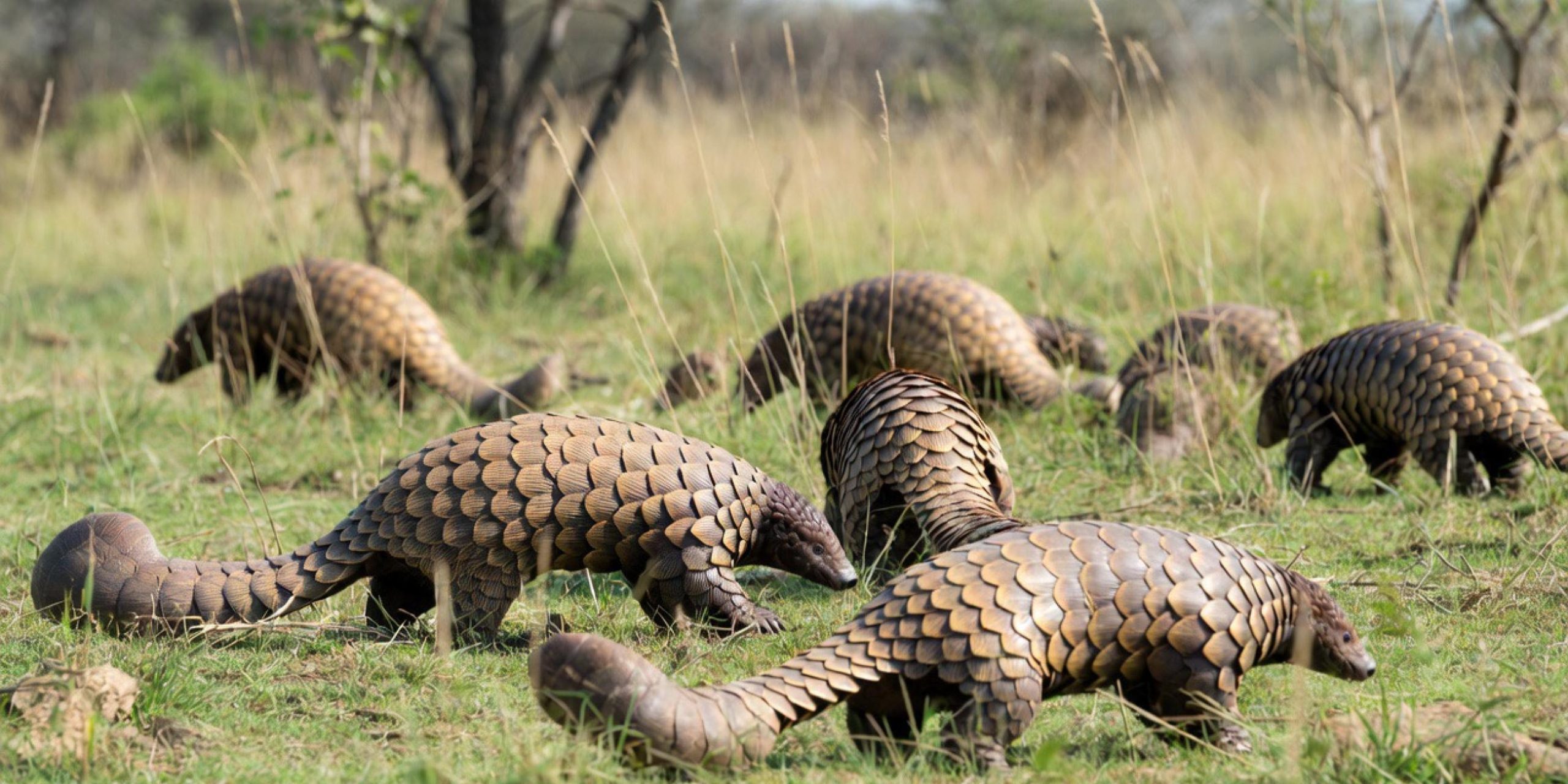
A conservation advocacy group, Wild Africa, has called on the Nigerian government to urgently strengthen protections for endangered species, warning that more than 500,000 pangolins have been lost to illegal trade in under a decade.
In a statement marking World Pangolin Day 2026, the organisation urged the administration of Bola Tinubu to quickly approve the proposed Endangered Species Conservation and Protection Bill, describing it as critical to preventing the animals from being pushed toward extinction.
Pangolins — considered the world’s most trafficked mammals — are heavily hunted for their scales, widely used in traditional medicine in parts of Asia, as well as for their meat, which is regarded as a delicacy in some markets. Despite global bans and national protections, demand continues to fuel widespread poaching and smuggling networks across Africa.
According to data cited by Wild Africa, Nigeria accounted for about 55 percent of global pangolin scale seizures between 2016 and 2019, making it a major export and transit hub for the illicit trade.
Dr. Mark Ofua, the group’s West Africa spokesperson, described the pending bill as a “game-changer,” noting it would introduce tougher penalties for traffickers and demonstrate Nigeria’s commitment to tackling wildlife crime.
A global assessment released in late 2025 by the IUCN Species Survival Commission Pangolin Specialist Group found that nearly 531,000 pangolins were linked to more than 2,200 seizures worldwide between 2016 and 2024. The report showed that scales accounted for 99 percent of confiscated parts, highlighting the scale-driven nature of the trade.
Although Nigeria has made some progress — including arrests and major seizures by customs authorities — conservationists say stronger laws, improved monitoring, and closer collaboration with local communities remain essential.
Wild Africa also pointed to a new regional initiative, the West Africa Regional Pangolin Conservation Action Plan (2026–2056), which aims to coordinate enforcement, expand research, and empower communities across pangolin-range countries.
The group stressed that swift passage of the conservation bill would help close legal loopholes exploited by trafficking syndicates and strengthen Nigeria’s ability to prosecute high-level wildlife crime.