SUNTV Global Channel | August 8, 2026
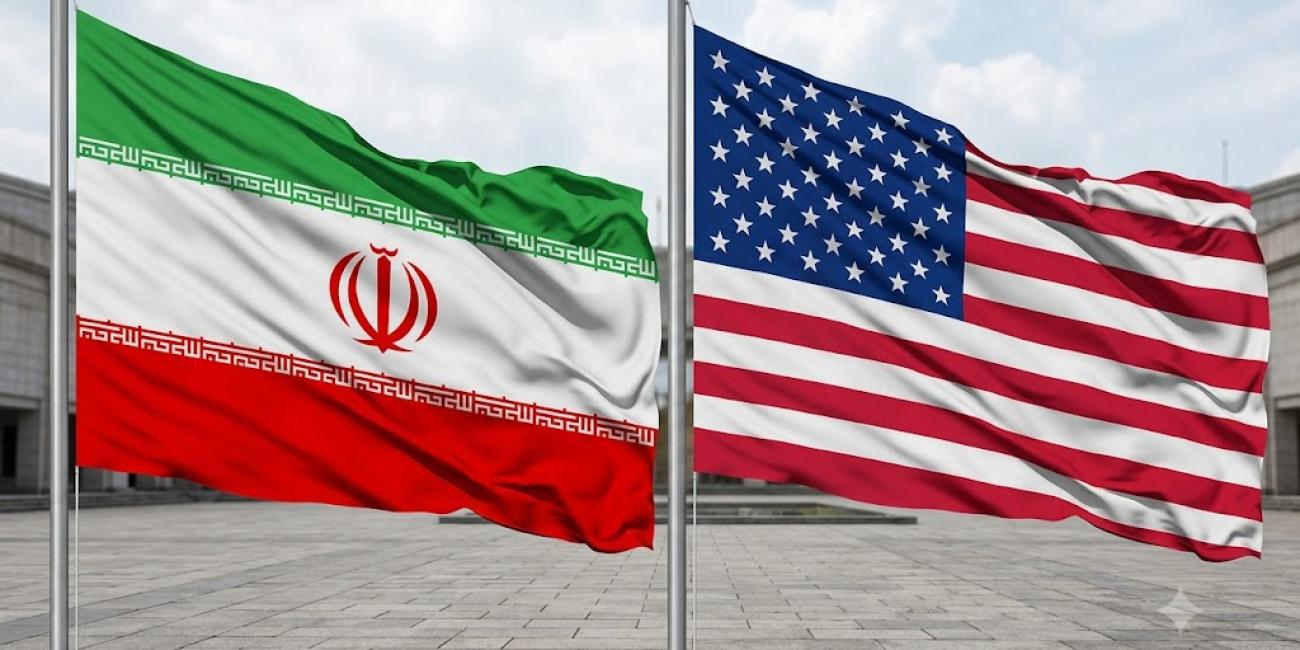
The Chairman of the United States Joint Chiefs of Staff, General Dan Caine, has reportedly urged senior officials in President Donald Trump’s administration to consider an exit strategy from the ongoing conflict with Iran, warning that continued air strikes alone may not achieve Washington’s objectives.
According to a report by CNN, citing multiple sources familiar with internal discussions, Caine has held private conversations with senior administration officials, including Vice President JD Vance and Secretary of State Marco Rubio, about the limitations and risks of relying solely on air power to pressure Tehran into accepting a deal that would permanently prevent Iran from acquiring nuclear weapons.
One source familiar with the discussions reportedly said Caine was “looking for an off-ramp,” while emphasising that the military chief was outlining possible options, risks and consequences rather than advocating a specific political outcome.
The reported discussions come as the US-Iran conflict enters its sixth month, despite repeated assurances from President Trump that a peace agreement could be reached.
Trump has largely relied on air power during the conflict and has avoided deploying American ground troops while authorising sustained attacks against Iranian targets. However, according to the report, some senior officials privately believe continued air strikes may not be enough to force Tehran to make the concessions demanded by Washington.
Joseph Holstead, a spokesman for General Caine, declined to comment on the reported private discussions.
He said the military does not discuss the Chairman’s confidential conversations with the President, Secretary of Defense or other senior officials, and rejected what he described as anonymous characterisations from individuals who were not present during the conversations.
A White House official also rejected suggestions of divisions within the administration, describing Caine as an important member of Trump’s national security team.
The reported debate comes amid growing concerns over the financial cost of the conflict and the condition of US military weapons stockpiles.
President Trump recently dismissed reports that American military supplies were running dangerously low, insisting that the United States has substantial quantities of munitions while additional supplies are being manufactured and delivered.
Trump also threatened to pursue long prison sentences for officials suspected of leaking classified information about the state of US military resources.
The president’s comments followed a Reuters report citing unnamed sources which claimed that the US Army had used virtually all of its long-range Army Tactical Missile Systems and Precision Strike Missiles during military operations.
Concerns have also been raised over US missile-defence stocks. A report by the Center for Strategic and International Studies, cited by The Independent, estimated that the United States had about 2,330 Patriot interceptors and 452 Terminal High Altitude Area Defense interceptors before the conflict.
By July 27, the reported inventory had fallen to between 759 and 827 Patriot interceptors and between 234 and 278 THAAD interceptors.
The financial burden of the military campaign has also continued to increase. During testimony before the Senate Appropriations Committee last month, Defence Secretary Pete Hegseth said US military operations in Iran had already cost approximately $37.5 billion.
Hegseth also requested an additional $67 billion from Congress, partly to replenish weapons stocks depleted during the conflict.
Despite concerns over military resources, rising costs and reports of internal discussions about a possible exit strategy, the Trump administration continues to maintain that sustained military pressure is necessary to achieve its objectives in Iran.
The reported push for an exit strategy could, however, signal growing recognition within parts of the US national security establishment that military action alone may not provide a lasting resolution to the conflict.