April 18, 2026
SUNTV Global Channel Reporting
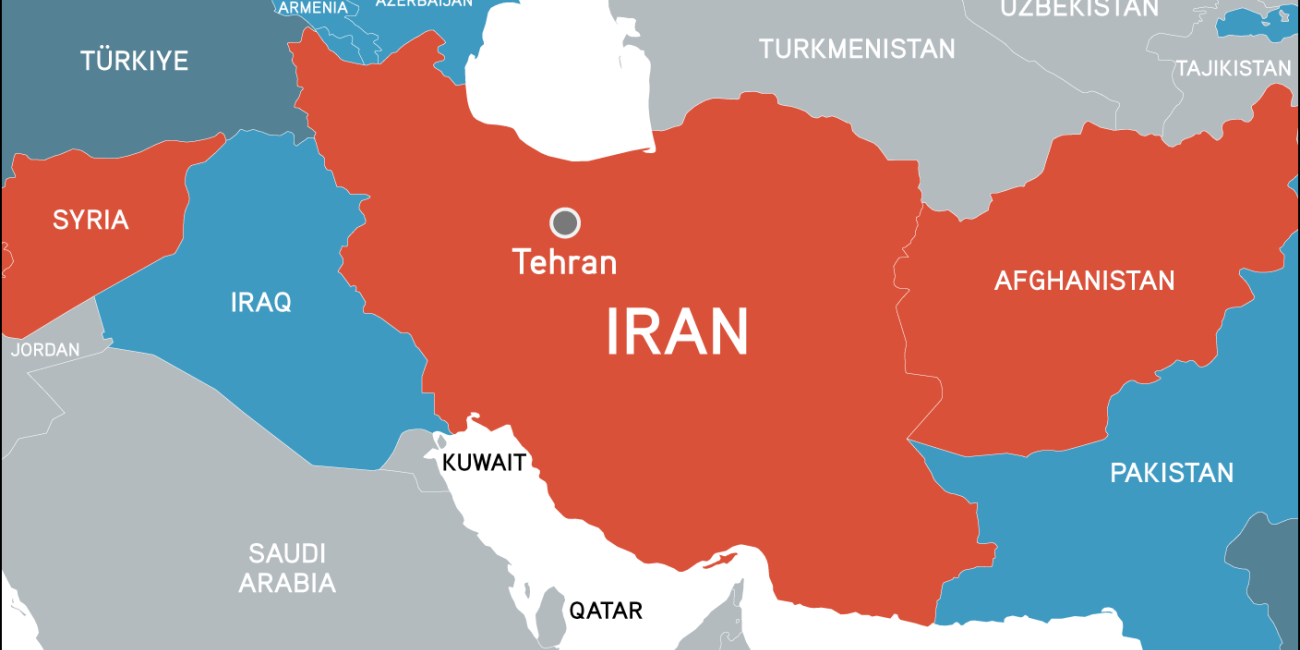
The Islamic Revolutionary Guard Corps (IRGC) of Iran has announced what it describes as a renewed “firm control” over the strategic Strait of Hormuz, accusing the United States of maritime aggression and economic sabotage amid escalating geopolitical tensions.
In a statement carried by the state-run , the IRGC claimed that authority over the vital shipping route had “returned to its previous state,” alleging that Washington’s actions against Iranian ports amount to “piracy and maritime theft under the guise of blockade.”
The Strait of Hormuz, one of the world’s most critical oil transit chokepoints, has once again become a focal point of international concern as Iran asserts stricter oversight over naval movement in the region. The IRGC warned that its current restrictions will remain in place unless the United States restores what it called “full freedom of navigation” for Iranian vessels.
“Control of the Strait of Hormuz has returned to its previous state, and this strategic waterway is now under strict management and control by the armed forces,” the IRGC statement declared, adding that all passage remains conditional.
Iran further emphasized that maritime movement through the will continue to be regulated based on “designated routes and Iranian authorization,” signaling a tougher operational stance in the region.
Iran Accuses Western States of Espionage Activities
In a separate development, Iranian intelligence authorities claimed to have dismantled multiple alleged espionage networks linked to the United States, Israel, and the United Kingdom. Reports from Iranian media indicate that suspected “spy cells” were uncovered across several provinces, including East Azerbaijan, Kerman, and Mazandaran.
Officials alleged the networks were engaged in intelligence gathering, covert operations, and attempts to incite internal unrest—claims that have not been independently verified.
Political Escalation and Diplomatic War of Words
Iran’s parliamentary leadership has also intensified rhetoric against Washington. Speaker Mohammad Bagher Ghalibaf strongly dismissed recent statements attributed to U.S. President Donald Trump, accusing him of misinformation and political propaganda.
“Trump made seven claims in one hour, all seven of which were false,” Ghalibaf said, insisting that negotiations based on such statements would not succeed.
He further reinforced Iran’s stance on maritime control, stating that any continuation of blockade conditions would result in tighter restrictions on the strait’s operation.
Regional Diplomacy Attempts Amid Rising Tensions
Meanwhile, regional diplomatic efforts are underway to prevent further escalation. Pakistan’s Prime Minister Shehbaz Sharif recently concluded a multi-country tour including visits to Saudi Arabia, Qatar, and Turkey. He also participated in the Antalya Diplomacy Forum, where discussions were held with Turkish President Recep Tayyip Erdogan.
Pakistan has reportedly taken on a mediating role, following earlier discussions in Islamabad aimed at reducing tensions between Tehran and Washington.
Global Concern Over Energy Security
The Strait of Hormuz remains one of the most strategically sensitive maritime corridors in the world, carrying a significant share of global oil shipments. Any disruption in its passage is expected to have immediate and far-reaching effects on global energy markets and security stability.
As Iran and the United States maintain firm positions, and regional actors push for diplomatic engagement, the situation continues to evolve with high international stakes.