March 14, 2026
SUNTV Global Channel | Nigeria News
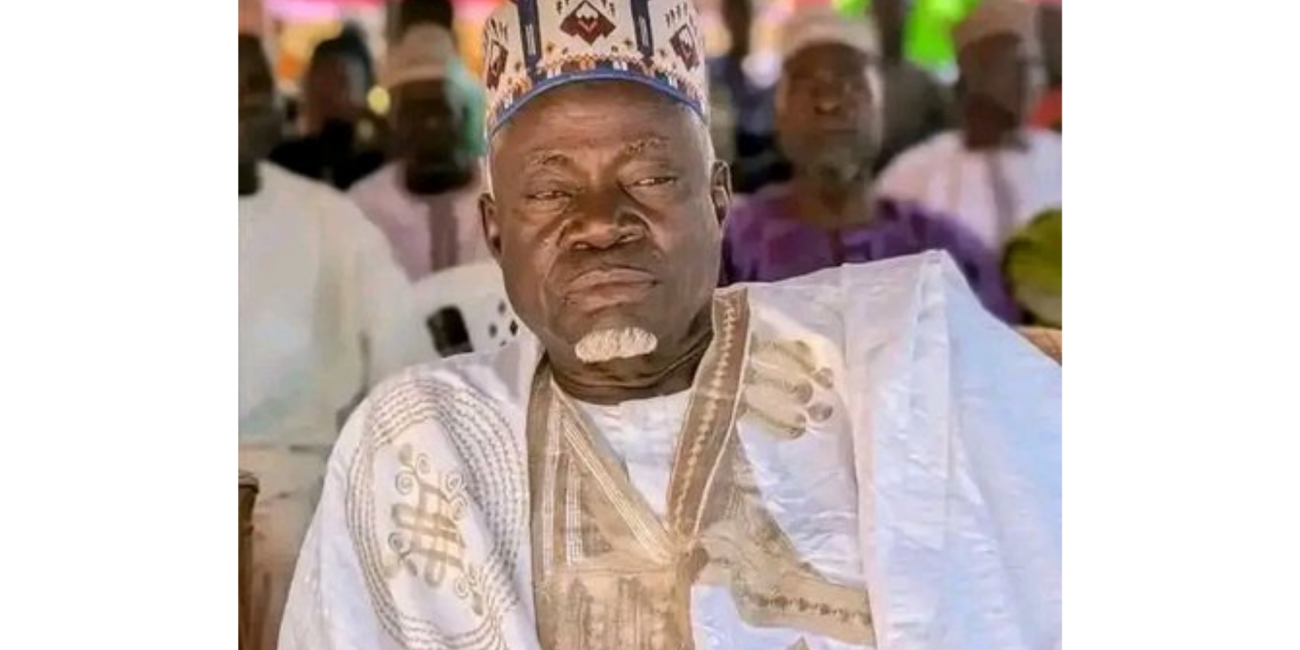
A public school teacher in Kebbi State, Abduljalal Usman, has reportedly been suspended for three months without salary after allegedly rejecting Ramadan palliative items distributed by the state government and criticising what he described as poor governance.
According to local sources, the teacher declined food items — reportedly one mudu of maize and one mudu of millet — which were being distributed as part of the Kebbi State government’s Ramadan relief programme for residents observing the fasting period.

Following the incident, authorities at the Dandi Local Government Education Authority in Kamba issued a suspension letter accusing Usman of negligence of duty.
The letter, reportedly signed by the education secretary, stated that the teacher would be suspended from duty for three months, though it did not clearly specify the exact act of negligence he allegedly committed.
Critics and local observers claim the disciplinary action may be connected to the teacher’s refusal of the palliative items and his public criticism of governance in the state.
Some commentators described the suspension as an attempt to punish a public servant for speaking out.
One source familiar with the situation said the action reflects what they called the “weaponisation of poverty”, arguing that citizens should not face consequences for rejecting government relief or expressing their opinions.
Others also criticised the development, stating that teachers deserve respect, fair treatment and proper wages rather than intimidation.
The incident has drawn attention partly because Kebbi State Governor Nasir Idris was previously a classroom teacher before entering politics, a background many observers say makes the situation particularly surprising.
The case has sparked wider debate among education stakeholders and civil society groups about freedom of expression, teachers’ welfare and working conditions within the state’s public education system.
Kebbi State has also faced broader social challenges in recent years, including poverty, insecurity and healthcare difficulties. Reports in 2025 highlighted cases of severe malnutrition among children in parts of the state, with some communities struggling with limited access to functioning healthcare facilities.
As discussions continue, education advocates say the incident highlights deeper concerns about governance, poverty and the treatment of teachers in Nigeria’s public sector.
— SUNTV Global Channel