April 26, 2026 / SUNTV Global Channel / Opinion
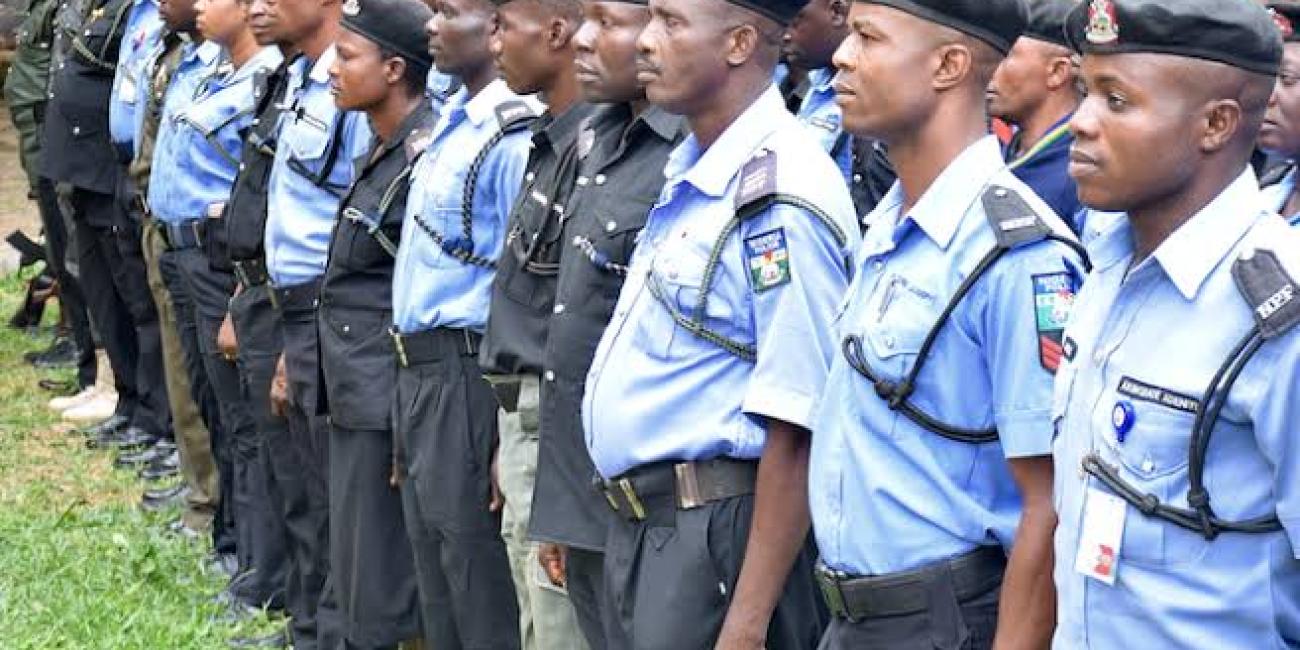
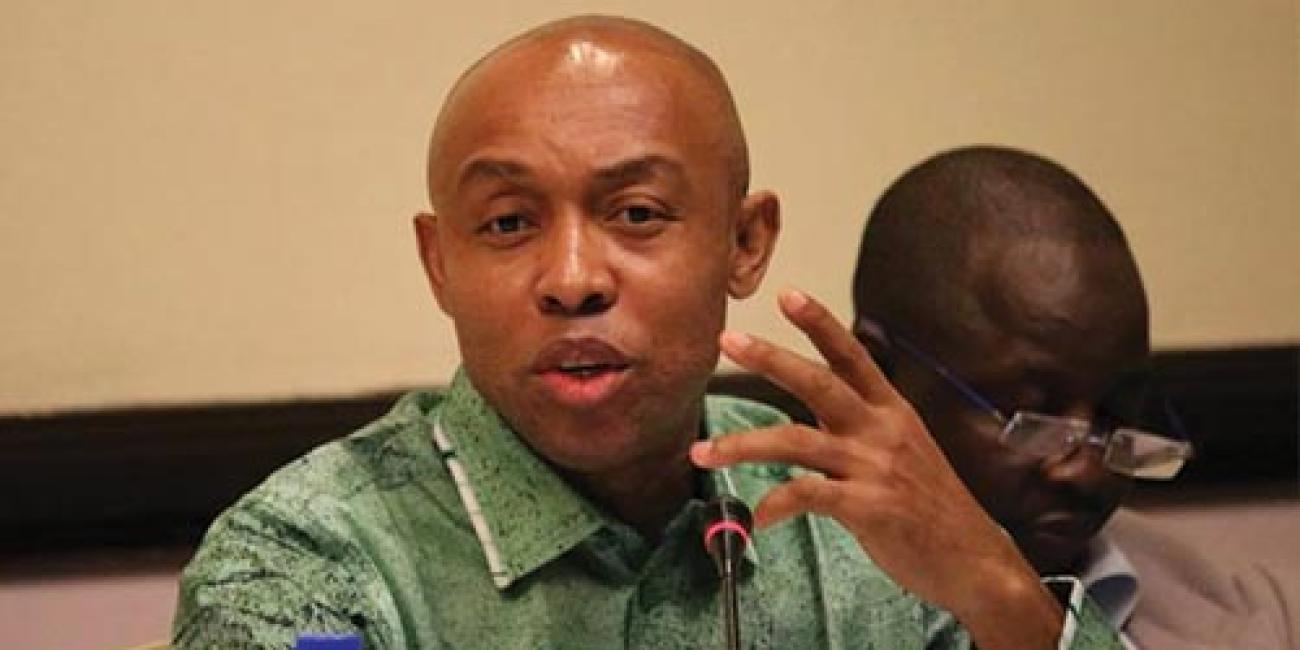
Renowned legal scholar and public affairs analyst, , has delivered a hard-hitting critique of Nigeria’s reliance on religious devotion as a response to its deepening insecurity challenges, warning that prayers alone cannot substitute for responsible governance and accountability.
In his opinion piece, Odinkalu paints Nigeria as a deeply religious nation where prayer has become a default reaction to national crises, rather than a complement to decisive action. He argues that despite decades of intense religious observance across churches and mosques, the country continues to grapple with violence, instability, and systemic failures.
Drawing from history, he notes that even Nigeria’s early national identity was shaped by prayerful aspirations, referencing the country’s first national anthem written by and composed by , which invoked divine help to build a just and united nation. However, he argues that these aspirations were not matched by concrete actions, as the country soon descended into political crises, coups, and civil war.
Odinkalu further highlights the continued pattern of political leaders turning to religious solutions in moments of crisis. From former Head of State , who later championed national prayer movements, to recent calls by political leaders urging citizens to seek “divine intervention,” he suggests that this trend reflects a failure to confront governance issues directly.
He references current leadership under President , noting a renewed emphasis on religious rhetoric, alongside similar calls for prayer from state governors across regions battling insecurity.
The article also connects Nigeria’s situation to broader philosophical reflections, drawing on the works of , particularly his Gitanjali, to illustrate the consequences of social exclusion and injustice. Odinkalu argues that Nigeria’s persistent neglect of its most vulnerable citizens has created conditions that fuel unrest and violence.
He warns that the country’s over-reliance on prayer, without addressing corruption, inequality, and governance failures, risks deepening its crisis. According to him, the continued marginalisation of large segments of the population could eventually lead to a reckoning that neither prayers nor force can easily resolve.
The opinion piece concludes with a stark message: Nigeria’s path to stability lies not in ritual appeals alone, but in deliberate efforts to build justice, equity, and accountable leadership.
Stay with SUNTV Global for more insights and analysis.