By SUNTV Global Channel
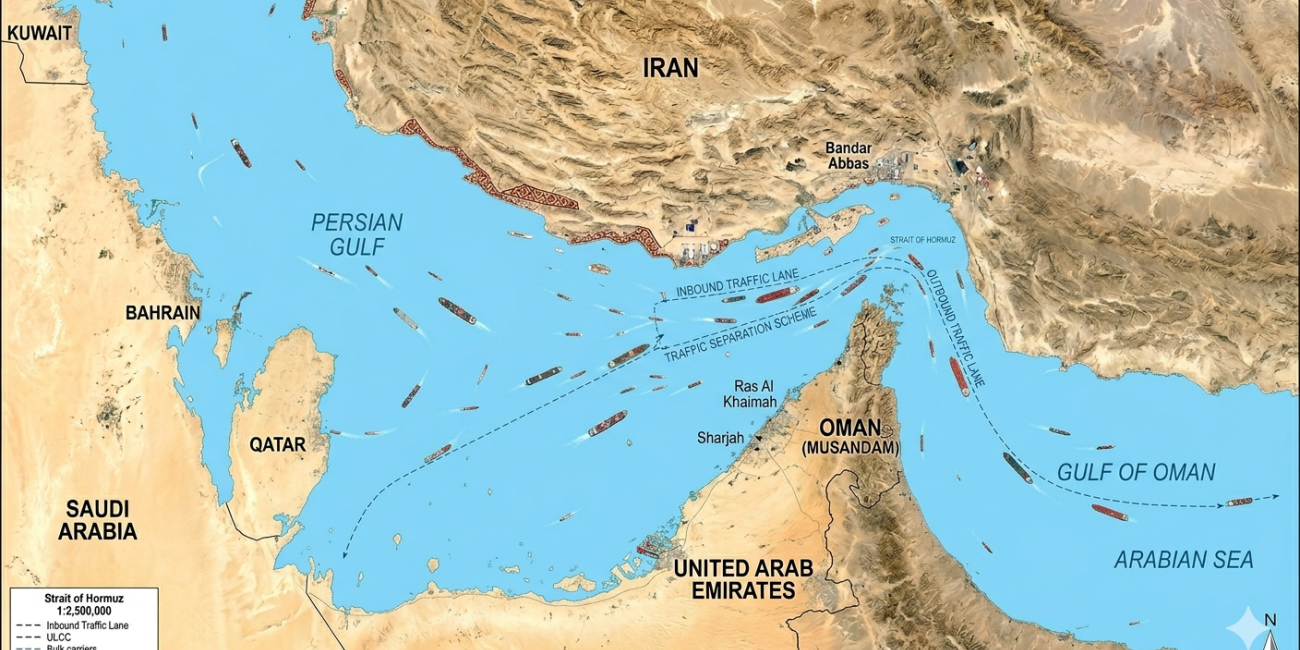
The United States has reaffirmed that the Strait of Hormuz remains open to international maritime traffic, stressing that Iran has no authority to control the strategically important waterway despite ongoing tensions in the region.
In a statement released on Sunday, the U.S. Central Command said American forces remain deployed to safeguard freedom of navigation and ensure the uninterrupted movement of commercial vessels through the international route.
According to the statement, the Strait of Hormuz remains accessible to all ships engaged in lawful transit, while U.S. forces are prepared to respond to any threats that could disrupt maritime operations.
American military officials accused Iran of engaging in acts of aggression, harassment and issuing arbitrary declarations concerning the waterway, insisting that global shipping activities continue without interruption.
The U.S. military further disclosed that more than 800 vessels carrying over 400 million barrels of crude oil have safely passed through the Strait of Hormuz in the last two months. Officials also revealed that more than 140 ships navigated the route within the past week alone.
The latest remarks come amid continued tensions between Washington and Tehran over security concerns in the Gulf region.
The Strait of Hormuz, which connects the Persian Gulf to the Gulf of Oman and the Arabian Sea, remains one of the world’s most critical maritime corridors. Nearly one-fifth of global oil supplies pass through the narrow channel, making any disruption a major concern for international trade and energy markets.
Over the years, Iran has repeatedly warned that it could restrict shipping activities in the strait during periods of heightened conflict. However, the United States and its allies have consistently maintained that the passage is governed by international law and must remain open to global commerce.
The development underscores the strategic importance of the Strait of Hormuz and the growing concerns over stability and security in the Middle East.