April 14, 2026 | NEWS | SUNTV GLOBAL INVESTIGATION
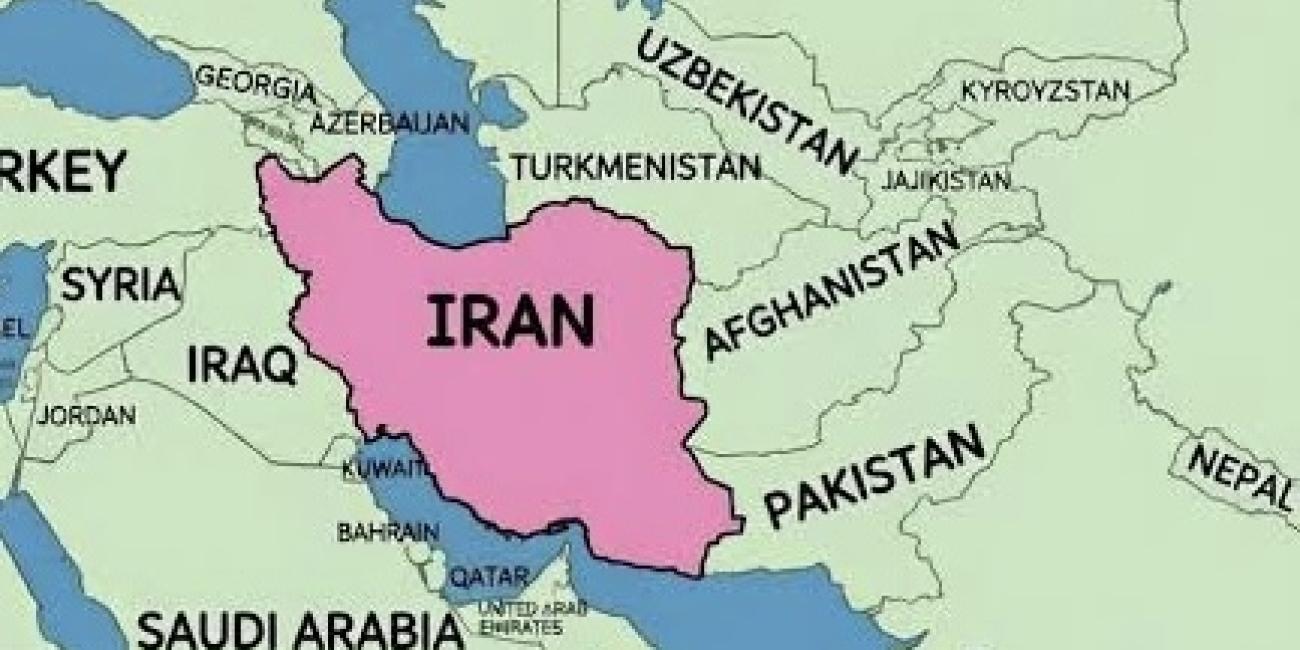
Tensions in the Middle East have escalated sharply after Iran formally demanded reparations from five Gulf and regional states, accusing them of facilitating recent US-Israeli airstrikes on its territory.
In a letter submitted to United Nations Secretary-General António Guterres, Iran alleged that Saudi Arabia, Bahrain, Qatar, United Arab Emirates, and Jordan allowed their territories and military infrastructure to be used in support of the strikes.
Iran claimed that the countries either directly or indirectly enabled what it described as “unlawful armed attacks targeting civilian infrastructure,” and is now seeking full compensation for both material and moral damages.
The Iranian envoy, Amir Saeid Iravani, stated that the affected states “must make full reparation” for their alleged roles in the coordinated military operation, which Iran says involved both the United States and Israel.
The airstrikes, carried out on February 28, were reportedly aimed at disabling Iran’s nuclear and ballistic missile capabilities. However, Tehran insists the attacks caused widespread civilian harm, including damage to energy facilities, bridges, schools, and universities.
Iran also alleged that dozens of senior officials and more than 1,300 civilians were killed during the strikes, claims that have not been independently verified.
In response, Iran launched retaliatory attacks on US military installations in the region as well as strategic infrastructure in several Gulf countries, including oil, gas, airport, and seaport facilities. Tehran maintained that its actions were in line with its right to self-defence under international law.
The Iranian government further rejected earlier accusations from Gulf states that it bore responsibility for regional instability, calling such claims “legally baseless and politically motivated.”
The latest exchange marks a significant escalation in regional tensions, raising fears of a broader conflict involving multiple state actors across the Middle East as diplomatic pressure continues to mount at the United Nations.