March 12, 2026
The government of New Zealand is considering reintroducing strict fuel-saving measures, including limits on car use, as escalating conflict in the Middle East threatens global oil supply.
SUNTV Global Channel reports that officials are reviewing emergency legislation first introduced after the Iranian Revolution, which allowed authorities to control fuel consumption during past energy shortages.
Speaking on Thursday, Finance Minister Nicola Willis confirmed that the government has discussed activating the decades-old law if fuel deliveries to the country become disrupted.
Under the policy—popularly known as “carless days”—vehicle owners would be required to select one day each week when they are prohibited from driving. Motorists who violate the rule could face significant fines.
The legislation also empowers the government to introduce fuel rationing through coupon systems and restrict how much petrol can be sold to drivers.
The measure was previously enforced from July 1979 to May 1980 during a global energy crisis.
However, Willis stressed that the restrictions would only be introduced if the country faces severe supply shortages.
“These measures would only be considered if we were seeing genuine disruption to our ability to get fuel,” she said.
Energy Minister Shane Jones also sought to reassure the public, noting that the country currently has about 50 days’ worth of fuel either in storage or already on the way to New Zealand.
The discussions come as global oil prices surged above $100 per barrel following rising tensions in the Middle East.
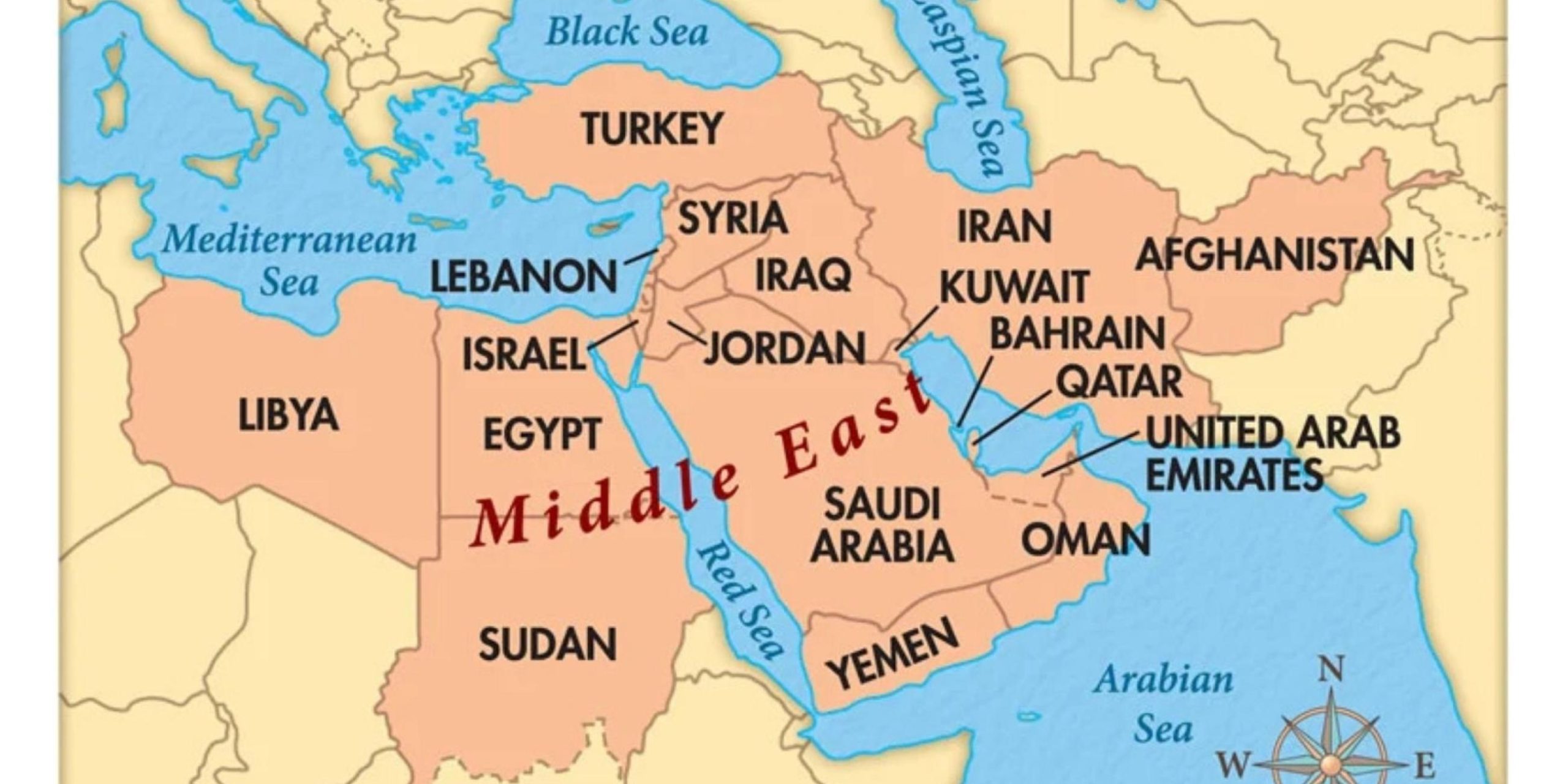
Reports indicate that Iranian attacks on shipping have effectively closed the Strait of Hormuz after joint strikes by the United States and Israel reportedly killed Iran’s Supreme Leader, Ali Khamenei.
The crisis has already begun affecting prices in New Zealand. Petrol costs have risen nearly 10 percent, while diesel prices have climbed more than 20 percent, according to fuel price monitoring platform Gaspy.
Rising aviation fuel costs are also impacting the country’s national airline, Air New Zealand, which has announced plans to cancel about five percent of its flights over the next two months, mainly on domestic routes.
Authorities say they are closely monitoring the situation as the conflict continues to shake global energy markets.