The Federal Government has dismissed allegations of widespread religious persecution and so-called Christian genocide in Nigeria, accusing foreign lobbyists—particularly in the United States—of fueling misleading narratives about the country’s security challenges.
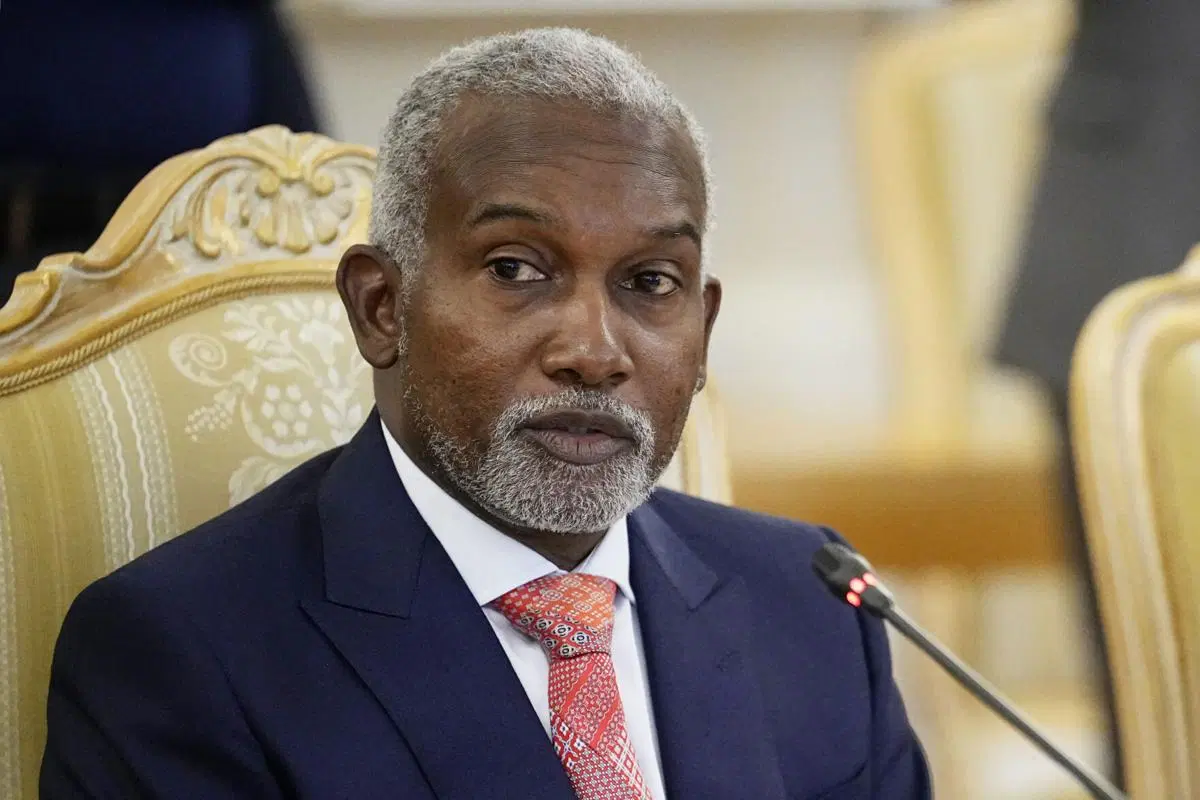
Speaking in Abuja to members of the Diplomatic Corps, Minister of Foreign Affairs, Ambassador Yusuf Tuggar, said such claims were “unfounded and inaccurate,” stressing that Nigeria remains a secular democracy where citizens of all faiths coexist peacefully. Represented by Ambassador Dunoma Ahmed, Tuggar said Nigeria’s Constitution guarantees freedom of religion and belief, and that instances of violence are often misinterpreted as religious persecution rather than acts of terrorism or crime.
He noted that bodies such as the Nigeria Inter-Religious Council (NIREC), Christian Association of Nigeria (CAN), and Supreme Council for Islamic Affairs (NSCIA) continue to promote unity and dialogue among different faiths. Tuggar also criticized Nigeria’s recent designation by the U.S. as a Country of Particular Concern (CPC), describing it as “misinformed and based on faulty assumptions.”
At a separate briefing, Minister of Information and National Orientation, Mohammed Idris, said the government has intensified its military campaign against terrorism and banditry. According to him, more than 13,500 terrorists have been killed, 17,000 suspects arrested, and over 9,800 abducted persons rescued since President Bola Tinubu took office in 2023. He added that the fight against insecurity has been even-handed, with both Christians and Muslims affected by extremist violence.
Idris said Nigeria’s armed forces have recovered over 5,000 weapons, dismantled 20 gun-running networks, and seen terrorism-related attacks fall to their lowest level in a decade, according to the Global Terrorism Index. He emphasized that there is no government policy or action that targets any religious group.
Meanwhile, Minister of Aviation and Aerospace Development, Festus Keyamo, in a letter to U.S. President Donald Trump, strongly refuted claims of targeted killings of Christians in Nigeria. Keyamo, who described himself as a lifelong Christian and human rights activist, urged the U.S. to seek accurate information before making sweeping statements. He said Nigeria’s security challenges stem from terrorism, banditry, and criminality—not religion.
On the international front, U.S. Senator Ted Cruz said he will soon release the names of Nigerian officials allegedly involved in religious persecution as part of his push for the Nigeria Religious Freedom Accountability Act of 2025. Also reacting, U.S. Congressman Riley Moore rebuked China for criticizing Trump’s position on Nigeria, saying China had no right to dictate America’s foreign policy.
In Nigeria, human rights lawyer Femi Falana (SAN) accused Trump of spreading falsehoods about a Christian genocide, arguing that killings in the country are driven by banditry, terrorism, and economic conflicts, not religious hatred. He urged the Federal Government to focus on addressing insecurity rather than reacting to Trump’s statements.
The Federal Government reaffirmed that Nigeria remains committed to interfaith harmony, constitutional freedom of religion, and collaboration with global partners to eliminate terrorism and promote peace.