February 10, 2026 | SUNTV Global Channel
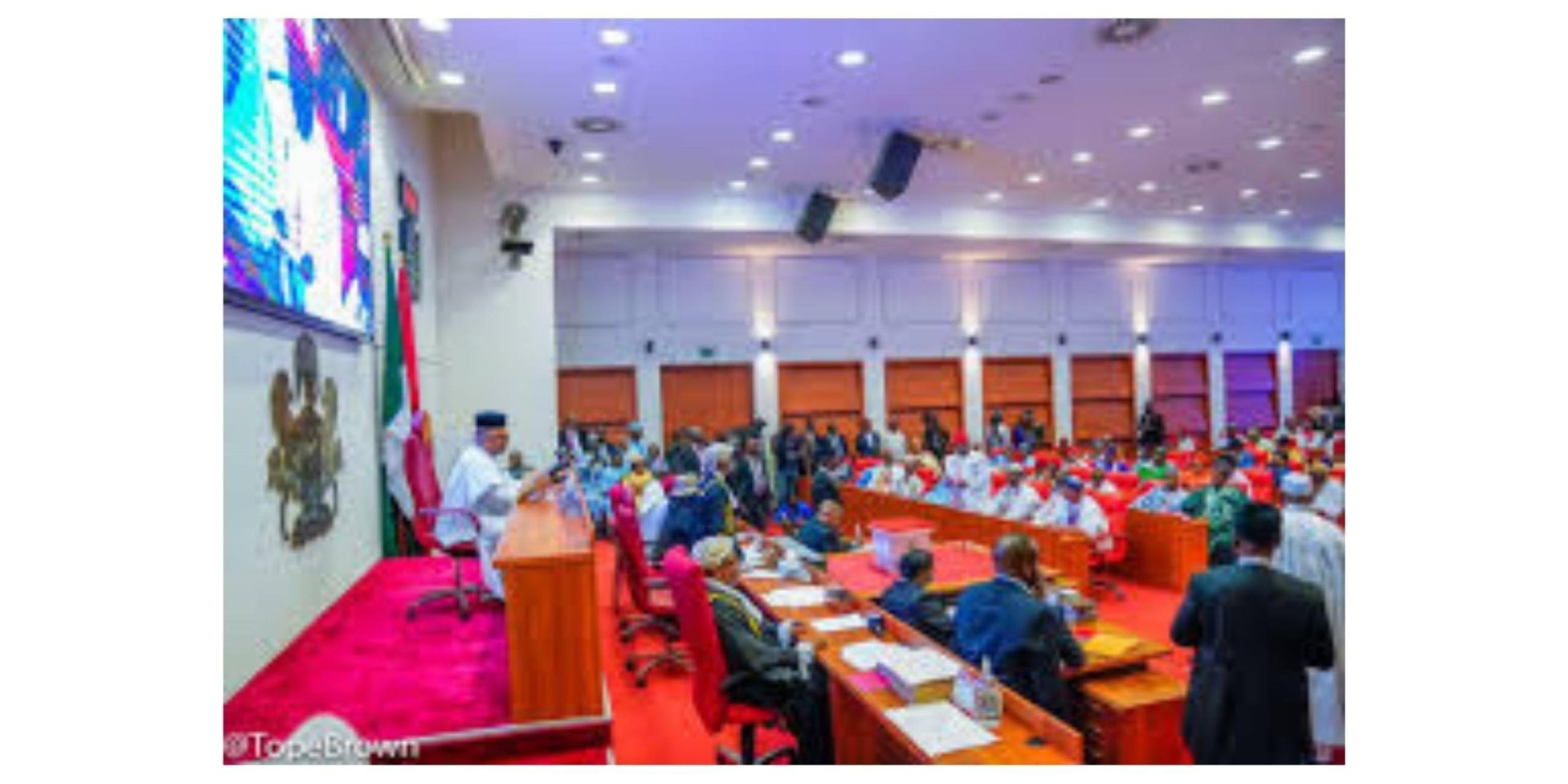
Fresh controversy has rocked Nigeria’s National Assembly as a Senate source alleged that a key provision mandating real-time electronic transmission of election results was altered after lawmakers had already passed it.
According to the source, the version of the Electoral Bill circulated in the Senate’s Votes and Proceedings on Tuesday, February 10, 2026, does not reflect what was approved during plenary on Wednesday, February 4, particularly regarding the electronic transmission of results to the Independent National Electoral Commission’s Result Viewing Portal (IREV).
The source claimed that the Senate had clearly adopted a clause requiring Presiding Officers at polling units to electronically transmit election results to IREV in real time. However, that provision was reportedly removed and replaced with a requirement for only manual transmission of results to the next level of collation.
“This is not what the Senate passed last week,” the source said, describing the change as fraudulent and warning that the Senate could reconvene “at any time” as the issue continues to unfold.
What the Senate Approved on February 4
Documents from the February 4 plenary indicate that lawmakers considered and adopted recommendations on vote counting and result transmission under Clauses 59 and 60 of the Electoral Bill.
Clause 59 was retained following a motion moved by Senator Simon Bako Lalong (Plateau South), which was put to a vote and unanimously agreed to.
Attention then shifted to Clause 60, which governs vote counting and completion of election forms. The original clause required Presiding Officers to record votes scored by each candidate on prescribed forms, sign and stamp them, and have them countersigned by candidates or their polling agents.
Crucially, Clause 60(3) explicitly mandated Presiding Officers to electronically transmit polling unit results to the INEC IREV portal in real time after completing the necessary documentation.
Disputed Amendment
During deliberations, Senator Mohammed Tahir Munguno (Borno North) proposed an amendment seeking to delete Clause 60(3) and replace it with the wording contained in Section 60(3) of the principal Electoral Act.
The Senate subsequently adopted an amended version of Clause 60. However, the Senate source insists that what was finally approved still retained the essence of electronic transmission and did not eliminate it entirely.
The amendment, as recorded in documents from the February 4 sitting, provided that:
- Presiding Officers must count and announce results at polling units;
- Results, including the total number of accredited voters, must be transmitted to the next level of collation;
- Any Presiding Officer who willfully violates the provision commits an offence punishable by a fine of not less than ₦500,000, imprisonment for at least six months, or both.
Following this, the question that Clause 60, as amended, should stand part of the bill was put to a vote and approved by the Senate.
What Changed in the Votes and Proceedings
The controversy erupted after the Votes and Proceedings released on Tuesday reportedly omitted any reference to electronic transmission to the IREV portal, instead emphasizing only transmission to the next level of collation.
According to the source, this alteration fundamentally contradicts what lawmakers approved on the Senate floor and undermines efforts to ensure electoral transparency.
The source further alleged that Senator Mohammed Tahir Munguno, acting alongside Senate President Godswill Akpabio and other All Progressives Congress (APC) senators, introduced provisos and conditions that effectively weakened the electronic transmission requirement.
Other Clauses Passed
The Senate also approved:
- Clause 61, which allows candidates or polling agents present at polling units to request a recount of votes, limited to one recount only;
- Clause 62, which outlines post-election procedures, requiring Presiding Officers to deliver results and election materials under security to INEC-designated officials, accompanied by candidates or their agents where available.
As tensions rise within and outside the National Assembly, the alleged alteration has intensified public outrage and renewed calls for transparency in Nigeria’s electoral reform process.