By SUNTV Global Channel | July 2, 2026
Fresh documents have raised new questions over the Presidency’s claim that the Presidential Foreign Intervention Promotion Council (PFIPC) does not exist, with official government records showing the agency received a budget allocation and was recognised by both chambers of the National Assembly.
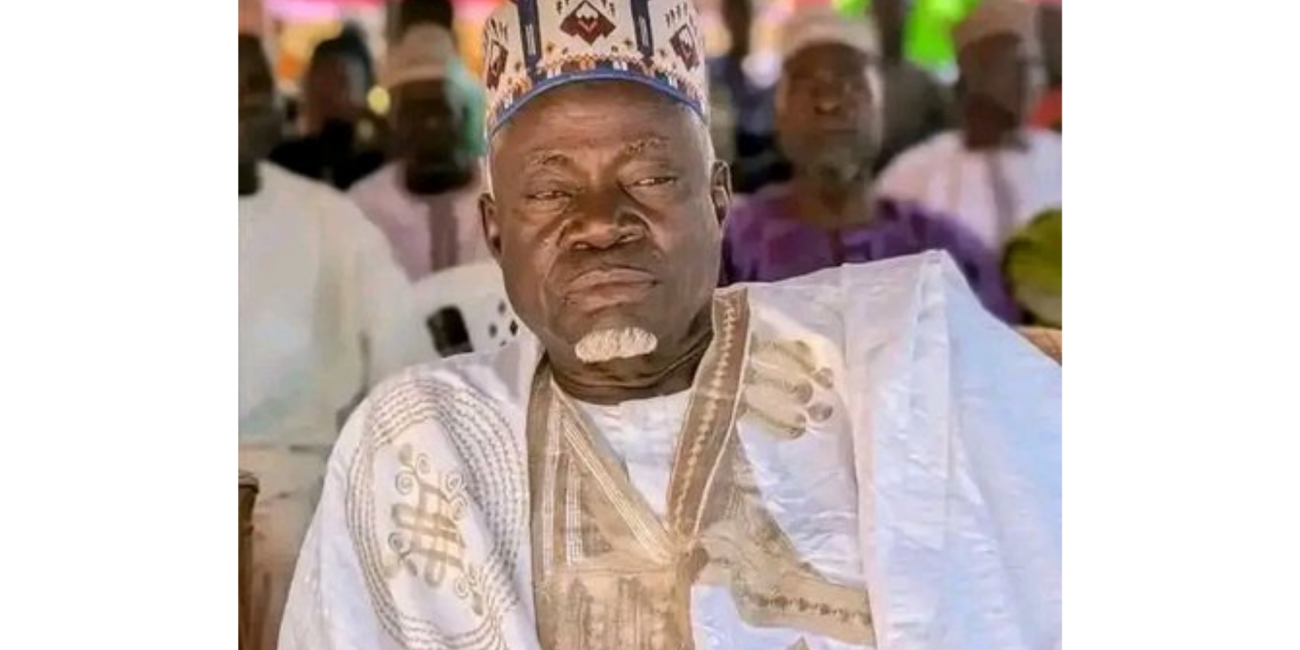
The controversy follows allegations made by Prince Adeniyi Adeyemi, who identifies himself as the Director-General of the Presidential Economic Advisory Council and the PFIPC. Adeyemi accused the Chief of Staff to the President, Femi Gbajabiamila, of demanding 48 percent of the agency’s proposed take-off grant of ₦27.4 billion. He also alleged that ₦400 million was paid through a proxy to facilitate his appointment, with an outstanding balance of ₦200 million yet to be paid.
In response, the Presidency dismissed the claims, describing the PFIPC as a “non-existent” agency. It further accused Adeyemi of forging appointment documents, illegally operating a fictitious government office, securing office space at the Federal Secretariat, and opening a Central Bank of Nigeria (CBN) account in the agency’s name.
However, documents reviewed by SUNTV Global Channel indicate that the PFIPC was allocated ₦1,302,978,784 in the 2026 Appropriation Act, which was passed by the National Assembly and signed into law by President Bola Tinubu.
Additional records show that the agency was officially addressed by both the Senate and the House of Representatives in separate correspondences during 2025.
A letter dated September 2, 2025, from the Senate Committee on Anti-Corruption and Financial Crimes invited the agency to nominate participants for a high-level anti-corruption study exchange programme in London.
Similarly, another letter dated September 3, 2025, from the House Committee on Treaties, Protocols and Agreements invited the PFIPC to participate in an executive study exchange programme on treaty governance in Casablanca, Morocco.
The House committee stated that the programme was designed to strengthen Nigeria’s capacity in treaty negotiation, implementation and international compliance.
Further documents and photographs also suggest that Adeyemi participated in official engagements with senior government officials. One photograph shows him receiving an award from the Chairman of the Economic and Financial Crimes Commission (EFCC), while another reportedly captured him during a strategic meeting with Deputy Speaker Benjamin Kalu at the National Assembly.
Reacting to the Presidency’s denial, Adeyemi questioned how an agency described as non-existent could appear in official government records, receive a budgetary allocation, operate Treasury Single and domiciliary accounts with the Central Bank of Nigeria, and receive official correspondence from both chambers of the National Assembly.
He argued that if the agency was indeed fictitious, serious questions should be asked about how it was captured in official budget documents approved by lawmakers and signed into law by the President.
The Presidency has maintained its position that the agency was never legally established, while the documents cited in the dispute continue to fuel public debate over the authenticity of the council and the processes that led to its inclusion in official government records.
SUNTV Global Channel will continue to monitor the situation and provide updates as more official information becomes available.