SUNTV Global Report | February 15, 2026
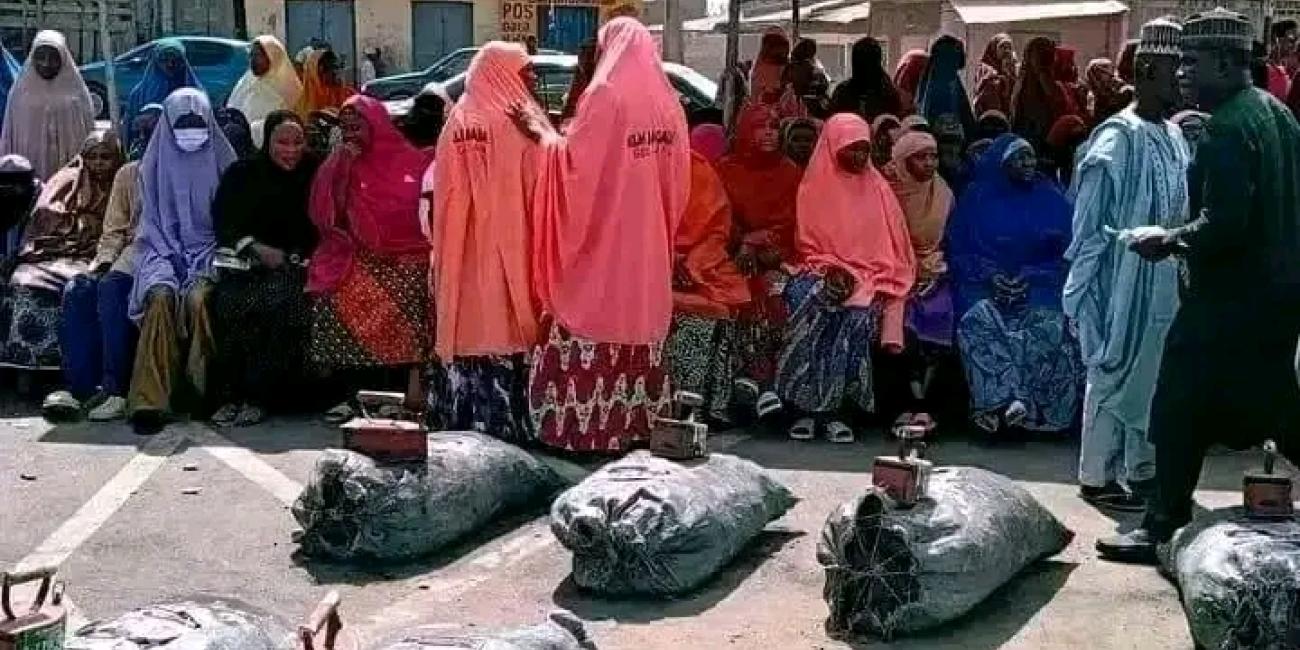
Residents of Mayana Ward in Gusau, Zamfara State, have reacted with mixed feelings after a local councillor distributed bags of charcoal and charcoal pressing irons as part of what he described as an “empowerment initiative.”
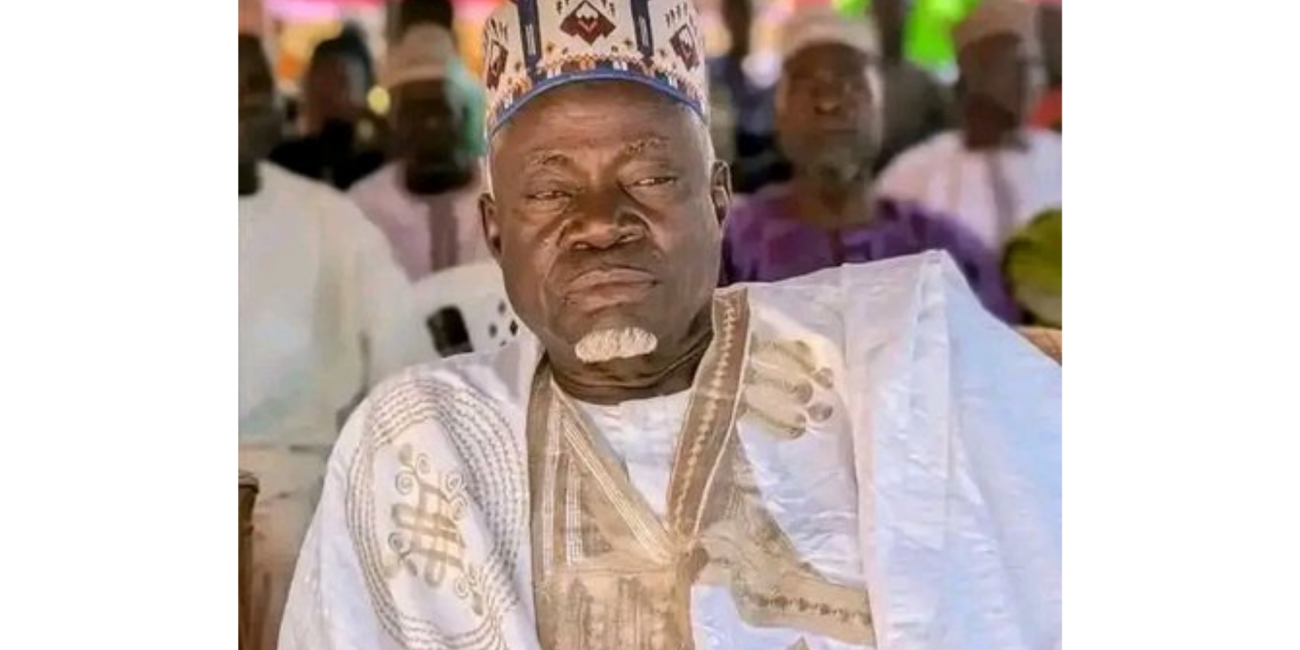
According to findings by SaharaReporters, the items were handed out by Abubakar Muhammad Tahir, who represents Mayana Ward in the Gusau Local Government Area.
Sources told SUNTV Global that the councillor said the materials were intended to help residents start small-scale income activities such as petty trading, ironing services, and other charcoal-dependent ventures.
However, critics argue that the gesture reflects a broader trend of symbolic empowerment programmes by Nigerian politicians that offer minimal long-term economic value.
Residents who spoke anonymously described the donation as “insulting” and “out of touch,” saying they expected meaningful support such as job creation, skills training, or financial assistance.
Observers note that such initiatives are not new in Nigeria’s political landscape.
In 2024, Senator Rufai Hanga faced public backlash after distributing burial materials—including white cloth and clay pots—to constituents in Kano Central.
Similarly, a lawmaker representing Aba North/Aba South Federal Constituency, Alex Mascot Ikwechegh, handed out cooking stoves during an empowerment programme in Abia State.
Former Sokoto governor and senator Aliyu Wamakko also drew criticism after donating wrappers and cash to women as part of Sallah packages.
In Kano State, former governor Abdullahi Ganduje once announced spending over ₦200 million on items such as noodles, eggs, and beverages to support tea sellers.
Growing Public Frustration
Analysts say the recurring distribution of items like wheelbarrows, cutlasses, goats, cassava stems, and even donkeys under empowerment programmes highlights deeper governance concerns.
Many Nigerians argue that such gestures often serve as political publicity rather than sustainable economic solutions, especially in regions grappling with poverty, insecurity, and unemployment.
For now, the charcoal distribution in Zamfara has reignited a national conversation about what genuine empowerment should look like—and whether symbolic giveaways can truly address the economic struggles faced by ordinary citizens.