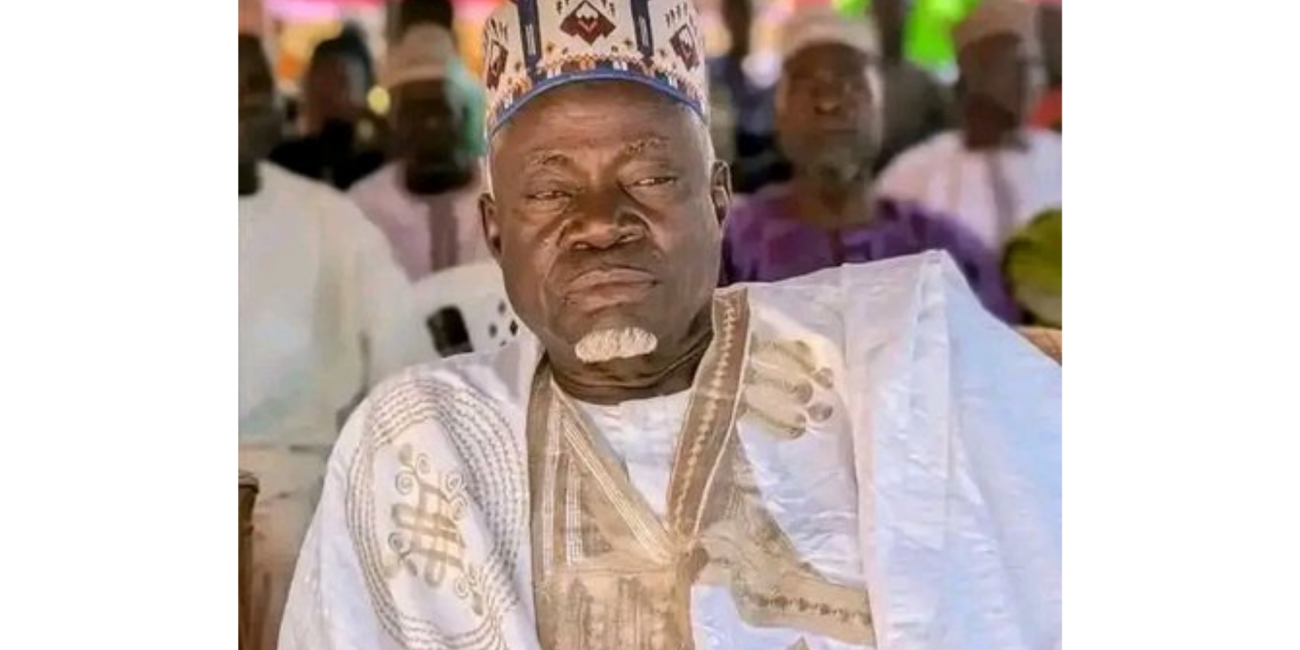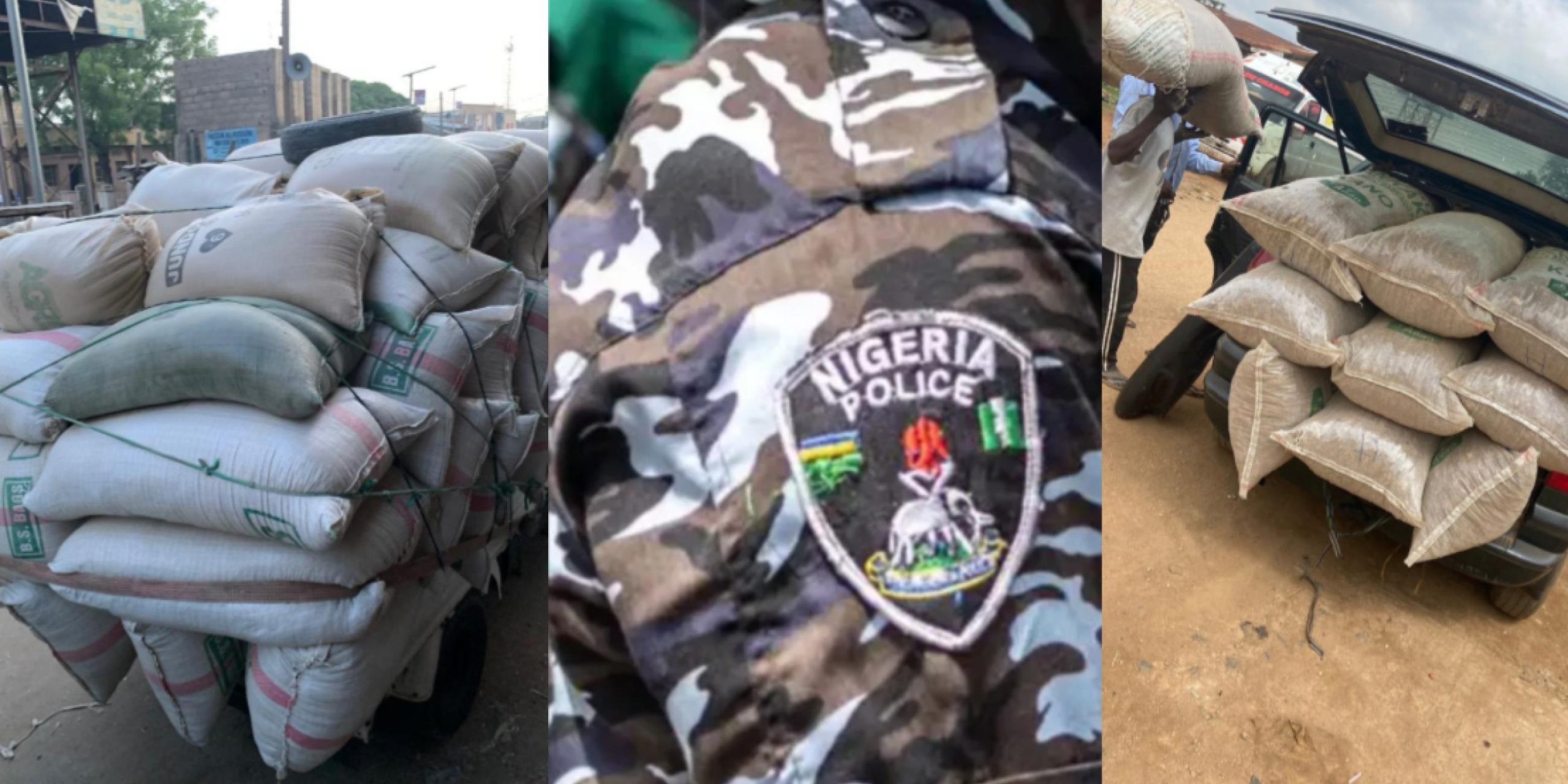
A ginger farmer and trader, Babangida Aliyu Kafanchan, has accused officers of the Borno State Police Crack Squad, allegedly working with a Nigeria Security and Civil Defence Corps (NSCDC) officer, of unlawful detention, intimidation and extortion over what he insists is a purely commercial disagreement with a buyer.
Babangida told SaharaReporters on Sunday that the dispute began in April 2025 after he sold 40 bags of ginger to a Maiduguri-based trader, Bakura Kajima.
According to him, the transaction was conducted openly at prevailing market rates. He said broken ginger was sold at ₦350,000 per bag, while normal ginger went for ₦450,000 per bag, with the deal witnessed by a third party, Alhaji Yaro Shaibu, who introduced the buyer.
“He paid in full and took delivery of the ginger,” Babangida said. “Weeks later, after selling the goods, he came back to claim he never bought at those prices.”
Babangida said he attempted to resolve the issue amicably by offering a refund—on the condition that the ginger be returned.
“I told him plainly: bring back my goods and I will refund every kobo you paid. That was where the discussion ended,” he said.
However, on August 28, Babangida said police officers from Maiduguri travelled to Kafanchan, Kaduna State, and arrested him.
“They said it was just an investigation. My people resisted, but I followed them because I believed I had done nothing wrong,” he said.
He alleged that upon arrival at the Borno State Police Crack Squad, he was denied access to the petition against him and was instead repeatedly told that the complainant accused him of collecting ₦8.9 million without supplying any goods.
“That is completely false,” Babangida said. “The ginger was delivered, witnessed and even photographed. Everyone in the market knows the price of ginger as at April.”
He further alleged that after selling the ginger, the complainant retroactively slashed the agreed prices.
“Broken ginger was reduced from ₦350,000 to ₦280,000 per bag, and normal ginger from ₦450,000 to ₦250,000—after everything had been sold,” he said.
Babangida said he urged the police to investigate the facts, but claimed they instead pressured him to refund the money.
“They told me plainly that I must pay back the money,” he said.
He alleged that he was detained for 11 days and threatened repeatedly.
“They said I would not be released unless I refunded the money. When I asked how I could refund money for goods already sold, they ignored me,” he said.
According to him, when he insisted that the ginger be returned before any refund, officers dismissed the demand, saying the goods had already been sold.
“That was when I knew something was wrong,” he added.
Babangida also alleged that the investigating officer threatened to hand him over to Boko Haram custody if he refused to comply, and that his phone was seized, preventing him from contacting anyone for five days.
He further accused an NSCDC officer, identified as Aliyu Tanimu Amfani, of collaborating with the complainant to pressure his family while he was in detention.
“Without my consent, they contacted my relatives and threatened them,” Babangida alleged.
He said this led to the collection of ₦3 million from his in-law, Danladi Makadi, and another relative, Fatima Abdullahi, which he claimed was transferred directly to the complainant.
Babangida also accused police officers of direct extortion.
“The Area Officer and the IPO, Inspector Musa Joseph, also known as Musa Goge, extorted ₦600,000 from me. Receipts are available,” he alleged.
Disputed ‘Debt’ Agreement
Babangida further claimed that while he was still in custody in Maiduguri, an agreement titled “Commitment to Pay Debt”, dated September 4, 2025, was drafted and signed in Kafanchan by his relatives without his knowledge or authorisation.
“I was detained in Borno State when an undertaking was written in Kaduna State. I never authorised it,” he said.
The agreement reportedly acknowledged receipt of ₦3 million and committed his relatives to paying an additional ₦5.955 million within two months.
“They entered into an agreement in my name without my consent. That is illegal,” he said.
Describing the entire episode as a grave abuse of power, Babangida said, “You cannot take someone’s goods, sell them, and then use the police to collect money again. That is armed robbery.”
He called on the Inspector-General of Police, the Police Service Commission and human rights organisations to launch an independent investigation into the conduct of the police and the NSCDC officer involved.
Efforts to get a response from the Borno State Police Command were unsuccessful, as its spokesperson, ASP Nahum Daso, did not respond to calls at the time of filing this report.