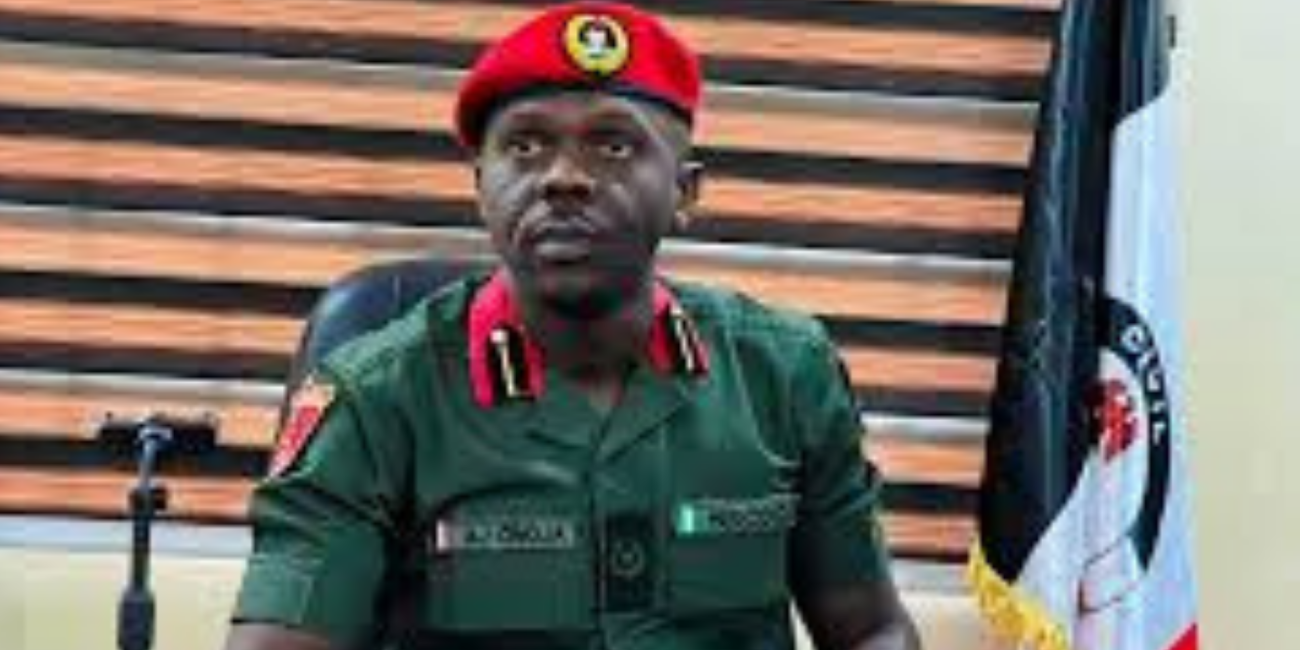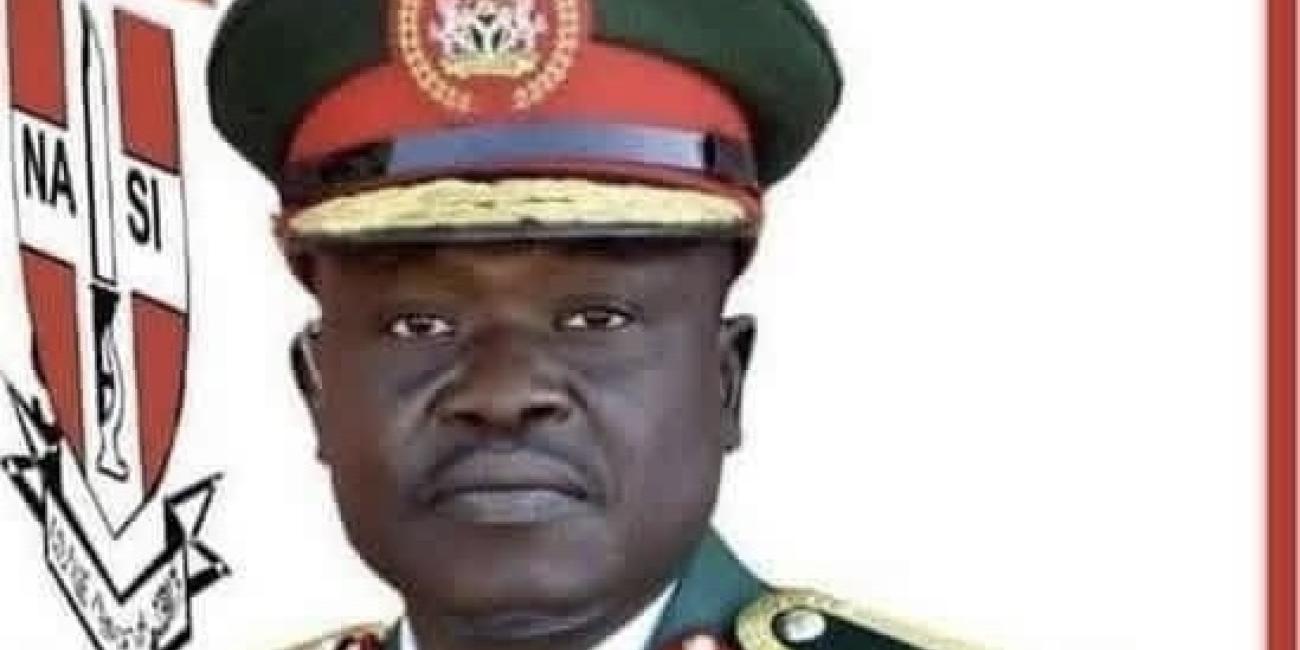
Ali-Keffi is a retired Nigerian military officer whose name has recently returned to public attention following claims of threats to his life and calls for international protection. Known for his role in security and counter-terrorism operations during his years in service, Ali-Keffi’s career spans decades within Nigeria’s military establishment. This report looks at his background, military career, and the latest developments surrounding him.
Early Life and Education
Ali-Keffi was born in Nigeria, where he spent his formative years and received his early education. Like many officers of his generation, he was drawn to military service at a young age, motivated by a desire to serve the country and contribute to national stability. He later gained admission into a recognized military training institution, where he underwent rigorous academic and physical training that prepared him for a career in the armed forces.
His education combined formal military instruction with leadership development, strategy, and national security studies. Colleagues from his early years have often described him as disciplined, analytical, and deeply committed to duty—qualities that would shape his rise through the ranks.
Military Career
Ali-Keffi’s military career is closely linked to intelligence, security coordination, and counter-terrorism operations. Over the years, he served in various strategic roles, gaining experience in both field operations and high-level command responsibilities.
One of the defining periods of his career was his involvement in anti-terror and internal security operations at a time when Nigeria faced growing threats from insurgent groups, banditry, and organized crime. He was reportedly part of, and later led, special task forces created to coordinate intelligence gathering and joint operations among security agencies.
In these roles, Ali-Keffi worked alongside other senior military and intelligence officers, helping to design strategies aimed at disrupting terrorist networks, securing vulnerable regions, and restoring public confidence in state security efforts. His work placed him at the center of sensitive national security matters, often involving high-risk decisions and confidential intelligence.
Over time, he rose through the ranks and earned recognition for his operational experience. However, like many officers involved in internal security operations, his career was not without controversy. Allegations, internal rivalries, and political undercurrents within the security sector sometimes followed the work of task forces involved in counter-terrorism and intelligence enforcement.
Ali-Keffi eventually retired from active service after decades in uniform, transitioning into civilian life while maintaining a low public profile for some time.
Life After Service
Following his retirement, Ali-Keffi largely stayed out of the public spotlight. Sources close to him say he focused on private life, consultancy, and personal affairs, avoiding media attention. However, his past roles and access to sensitive information meant that his name occasionally surfaced in discussions about security sector reforms and past operations.
As with many former senior officers, his post-service years were shaped by lingering associations with events and decisions made during active duty. This background has now become central to the renewed attention surrounding him.
Latest Update: Alleged Threats and Call for Protection
Ali-Keffi recently made headlines after publicly alleging that his life is under threat. According to his claims, these threats are connected to his past role in leading or participating in anti-terrorism and security task forces.
He has stated that following certain events and internal disputes, he was arrested and detained by military authorities for an extended period. Ali-Keffi maintains that his detention was unjust and linked to internal power struggles rather than any proven wrongdoing. He has also alleged that since his release, he has continued to face intimidation and threats.
In response to these concerns, Ali-Keffi has reportedly sought protection from international bodies and foreign governments, including appeals to authorities in the United States, the United Kingdom, and the European Union. He argues that his safety cannot be guaranteed locally due to the nature of the threats and the individuals he believes are involved.
These claims have sparked debate within security and political circles. While some observers argue that his fears may be genuine given the sensitive nature of counter-terrorism work, others insist that allegations must carefully examined and verified through appropriate legal and institutional processes.
As of now, Nigerian authorities have not issued a detailed public response addressing all of Ali-Keffi’s claims. The situation remains fluid, with attention focused on whether formal investigations or diplomatic engagements will follow his requests.
Public Reaction and Broader Implications
The Ali-Keffi case has raised broader questions about the treatment of former security officials, accountability within the military, and the long-term risks faced by officers involved in intelligence and counter-terror operations.
Security analysts note that counter-terrorism work often leaves lasting consequences, including personal risk, legal scrutiny, and political exposure. They argue that transparent review mechanisms are essential to balance national security needs with the rights and safety of those who served.
For the public, Ali-Keffi’s story highlights the complex and often hidden realities of Nigeria’s security architecture—where decisions made in the name of national safety can continue to affect lives long after officers leave service.
Conclusion
Ali-Keffi is a retired Nigerian military officer whose career was shaped by involvement in high-level security and counter-terrorism operations. From his early military training to his rise through sensitive command positions, he played a role in some of the country’s most challenging security periods.
Today, he stands at the center of renewed attention due to allegations of threats to his life and his call for international protection. As developments continue to unfold, his case remains a subject of national and international interest, underscoring the lasting impact of security service and the need for clarity, accountability, and protection within and beyond Nigeria’s military system.