April 24, 2026 | Economy/Politics | SUNTV Global Channel Reporting
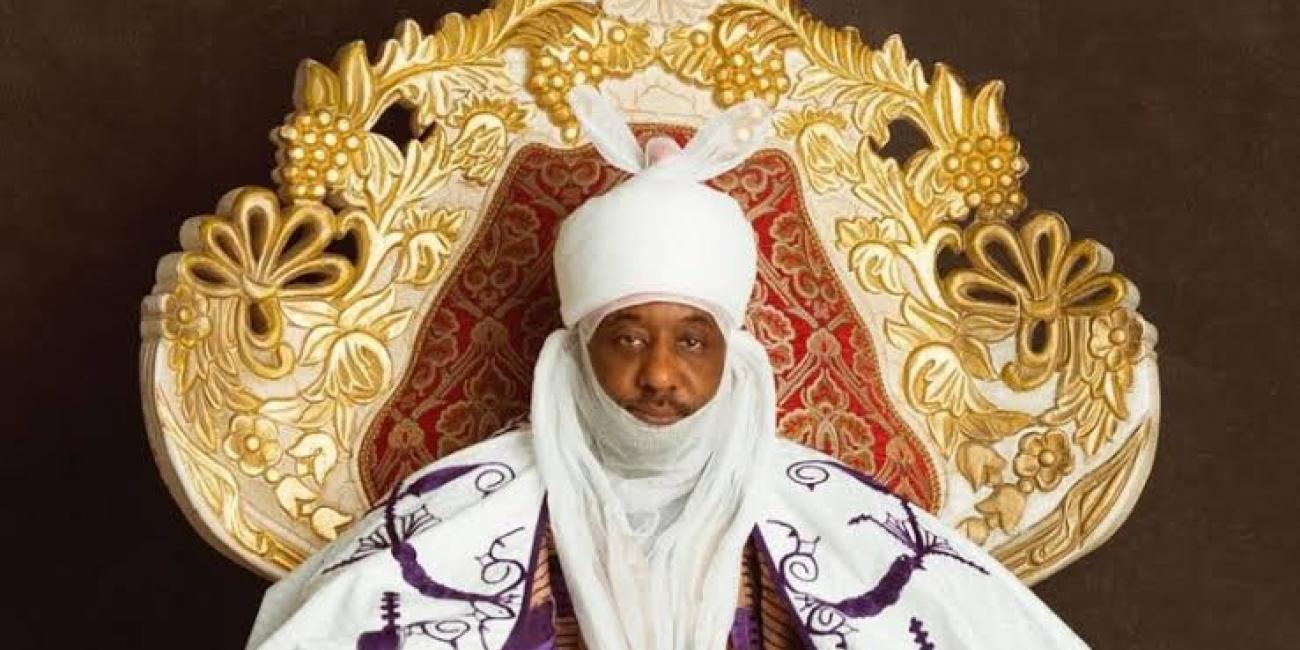
The Emir of Kano, , has raised fresh concerns over Nigeria’s rising debt profile, questioning why the administration of President continues to borrow despite the removal of fuel subsidies.
Speaking during a public address, the former Central Bank Governor reiterated that while subsidy removal was necessary, Nigerians are yet to see its expected economic benefits.
“I have always maintained that the subsidy regime was unsustainable,” Sanusi said, criticizing past reliance on imported petroleum products despite Nigeria being an oil-producing nation.
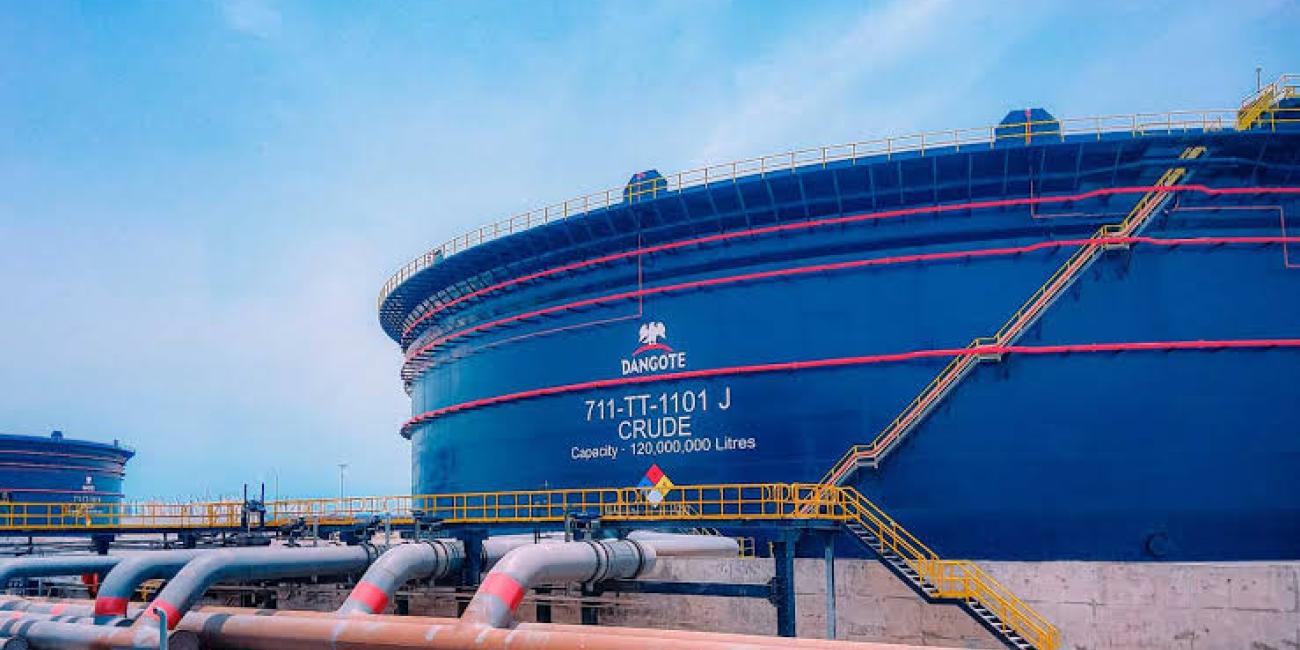
He noted that improvements in domestic refining capacity and reduced dependence on imports should ordinarily ease pressure on government finances and strengthen the economy.
“Today, we are refining locally and even exporting. That should be positive for our fiscal position,” he stated.
While backing key reforms such as subsidy removal and exchange rate liberalisation, Sanusi questioned the timing and execution of these policies. He warned that implementing such measures without proper monetary tightening could weaken the naira and destabilize the economy.
“If you remove subsidy and liberalise exchange rates under loose monetary conditions, the currency can depreciate sharply,” he cautioned.
The monarch also highlighted concerns over debt servicing, warning that Nigeria risks dedicating all its revenue to repaying loans if borrowing continues unchecked.
“It is not enough to say subsidy has been removed. If all your revenue goes into debt servicing, where will development funds come from?” he asked.
Sanusi further demanded accountability on how savings from subsidy removal are being utilized, stressing the need for fiscal discipline and visible impact on citizens’ lives.
“People should see the benefits. If the subsidy is gone, what are we doing with the savings? Why are we still borrowing repeatedly?” he queried.
His comments come shortly after President Tinubu requested Senate approval for a fresh external loan worth over $516 million to fund sections of the proposed Sokoto–Badagry Superhighway, a major infrastructure project aimed at connecting Nigeria’s Northwest to the Southwest.
The development has intensified debate over the government’s economic strategy, with experts and citizens alike calling for greater transparency and tangible results from ongoing reforms.