April 13, 2026 | SUNTV Global Channel | Politics
Fresh controversy has erupted over the Federal Government’s designation of the Indigenous People of Biafra (IPOB) as a terrorist organisation, with legal counsel to its leader, Nnamdi Kanu, accusing authorities of contempt of court.
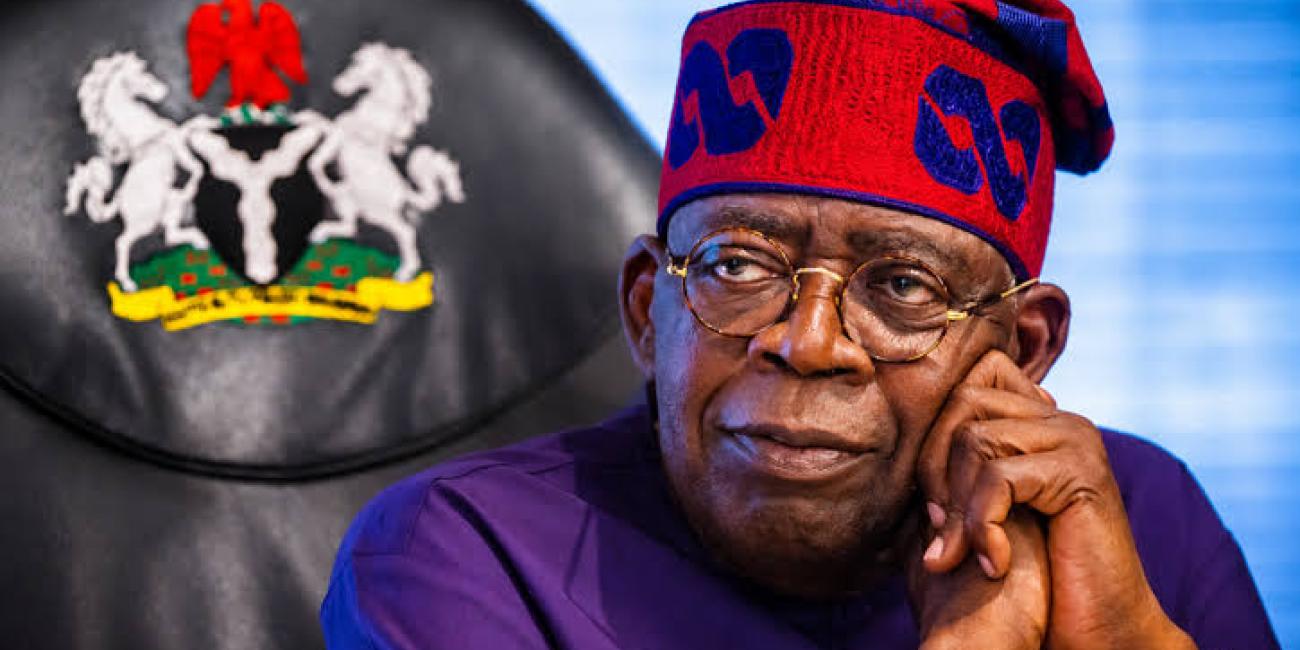
Barrister Aloy Ejimakor, special counsel to Kanu, alleged that the administration of Bola Ahmed Tinubu acted unlawfully by including IPOB in a recently published list of terrorist groups and sponsors while the matter remains pending before the Supreme Court of Nigeria.
In a statement shared on social media, Ejimakor described the move as a direct affront to judicial authority, insisting that the issue is sub judice and should not be subjected to executive action until the court delivers a final ruling.
“The inclusion of IPOB on the terror list is contempt of court because the case is still before the Supreme Court,” he stated, adding that he personally filed the appeal challenging the proscription.
The controversy follows the Federal Government’s recent publication of a list containing dozens of individuals and entities allegedly linked to terrorism financing. The list was released through the Nigeria Sanctions Committee (NIGSAC), operating under the Office of the National Security Adviser.
IPOB was originally declared a terrorist organisation in 2017 under the administration of former President Muhammadu Buhari, following heightened tensions and clashes in Nigeria’s South-East region. The designation was backed by a Federal High Court order in Abuja.
However, the legality of that proscription has remained a subject of intense legal dispute.
In October 2023, the Enugu State High Court ruled the ban unconstitutional and null, stating that calls for self-determination do not amount to terrorism under the law.
Despite that ruling, a Federal High Court in Abuja, presided over by Justice James Omotosho, later convicted Kanu in November 2025 on terrorism-related charges, sentencing him to life imprisonment.
Ejimakor’s latest remarks have reignited debate over due process, judicial independence, and the balance of power between the courts and the executive.
Pro-Biafra groups and rights advocates argue that the government’s actions undermine the rule of law, while authorities maintain that the designation is necessary for national security.
As legal proceedings continue, the dispute over IPOB’s status remains one of the most contentious political and judicial issues in Nigeria today.