The Anambra State Government has sealed off the bustling auto spare parts market in Nnewi following persistent non-compliance with directives banning the controversial Monday sit-at-home order in the state.
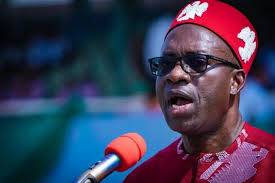
Governor Charles Soludo ordered the closure on Monday after traders reportedly failed to resume full business activities despite repeated warnings from authorities.
Market Shutdown Sparks Shock
Officials who stormed the industrial town early Monday morning announced that the closure would remain in force until traders fully comply with the state’s directive to end participation in the weekly shutdown.
Security operatives were seen mounting barricades at major entrances to the popular auto spare parts hub, preventing traders and customers from accessing the market.
According to government sources, the move is part of a broader enforcement strategy to restore normal economic life across Anambra State.
Government’s Position
A senior government official said the state had held several meetings with market leaders, warning them that continued observance of the sit-at-home would attract sanctions.
“The government can no longer tolerate actions that cripple economic activities and threaten public safety,” the official stated. “Markets that refuse to open on Mondays will remain sealed until they comply.”
Authorities insist the sit-at-home order is illegal and being enforced through fear by non-state actors.
Traders React
The shutdown has triggered mixed reactions among traders.
Some market leaders expressed frustration, arguing that many business owners stay home on Mondays due to safety fears rather than deliberate defiance.
A trader who spoke anonymously said:
“People want to open their shops, but they are afraid of attacks. The government must guarantee security before forcing compliance.”
Others, however, supported the governor’s decision, saying prolonged closures had severely hurt business in the commercial town.
Economic Impact
Nnewi, widely regarded as a major industrial and automotive trading hub in southeastern Nigeria, depends heavily on daily market activities.
Business analysts warn that continued enforcement actions could cause short-term economic strain but may eventually restore investor confidence if security improves.
What Happens Next
Government officials say negotiations with market unions are ongoing, but insist the closure will remain until there is full assurance that traders will resume normal operations every Monday.
Security patrols have also been intensified across major markets in the state to ensure compliance.
SUNTV Global Channel reports that the situation remains tense but calm, with authorities urging residents to go about their lawful activities without fear.