SUNTV Global Channel — February 17, 2026
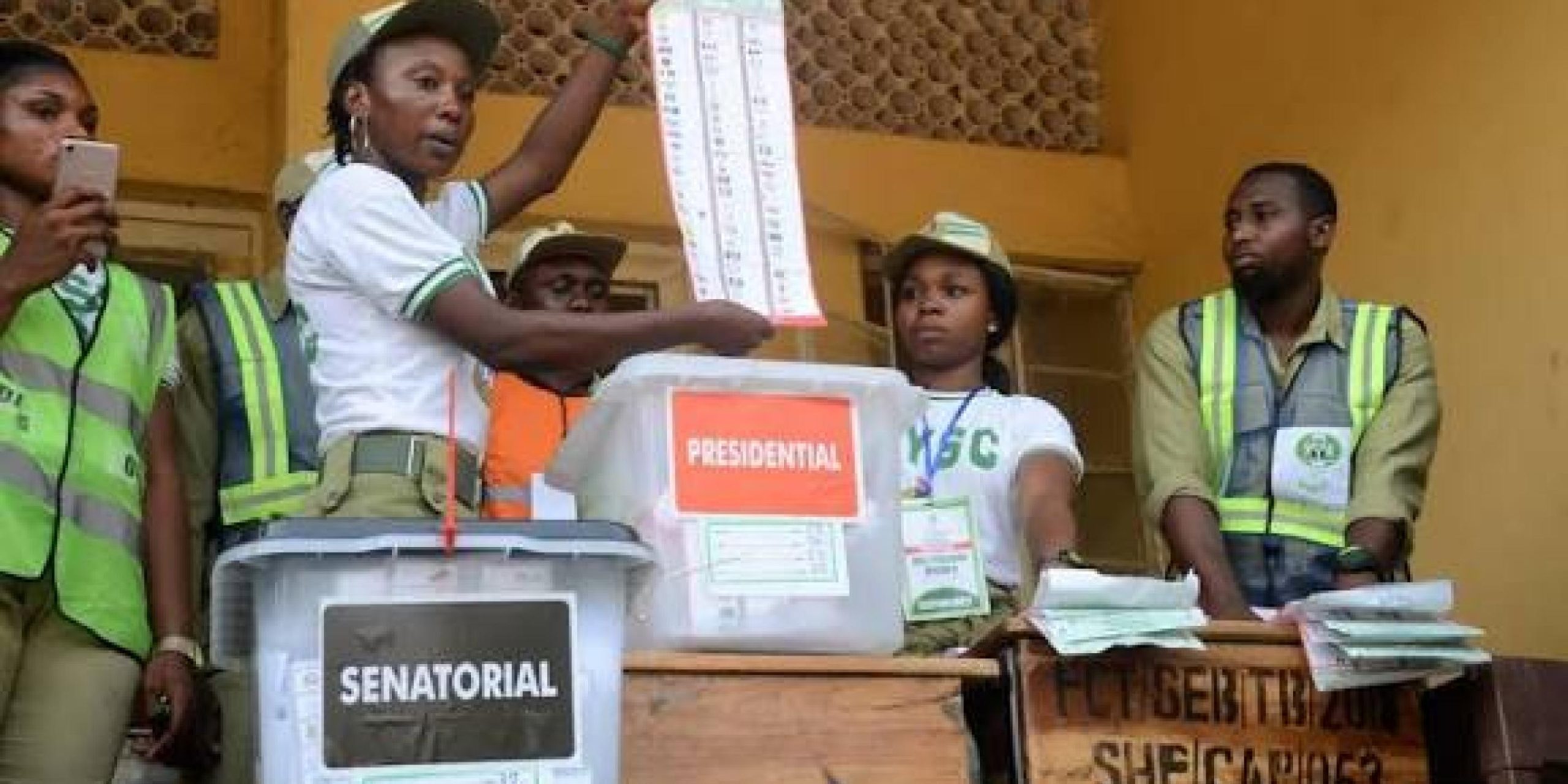
Nigeria’s 2027 general election timetable may be heading for a major shake-up as the National Assembly and the Independent National Electoral Commission (INEC) have reportedly agreed on new proposed dates to avoid a clash with the Ramadan fasting period.
According to multiple high-level sources within the electoral commission and federal legislature, the presidential election — previously scheduled for February 20, 2027 — could now hold on January 16, 2027, if lawmakers approve the proposal.
Governorship elections, originally fixed for March 6, 2027, are also expected to move earlier to January 30, 2027 under the new plan.
Emergency Talks Trigger Timeline Shift
The development follows an abrupt decision by both chambers of parliament to suspend work on the Electoral Act Amendment Bill and convene an emergency plenary session to address what insiders described as a “politically sensitive” issue.
A senior INEC official, who spoke anonymously, confirmed that extensive consultations between electoral authorities and lawmakers led to the proposed change.
“After several meetings, both sides agreed that the February date is no longer workable. The new working proposal is January 16 for the presidential poll and January 30 for governorship elections,” the source revealed.
A ranking senator also confirmed the proposal but noted it must still be debated and formally adopted before becoming official.
Ramadan Concerns Spark Nationwide Debate
The earlier February election date had generated widespread criticism because it falls within the 2027 Ramadan period, projected to run from early February to early March.
Prominent political figures, including former Vice President Atiku Abubakar, had warned that holding elections during the fasting period could significantly reduce voter participation, particularly among Muslim communities.
Former presidential aide Bashir Ahmad also urged electoral authorities to reconsider, arguing that the spiritual obligations of Ramadan could affect turnout.
Lawmakers Put Other Reforms On Hold
Insiders say the controversy forced lawmakers to pause the harmonisation process of the Electoral Act Amendment Bill to first resolve the election timetable.
A notice signed by the Clerk of the legislature directed senators and House members to reconvene urgently to take “very crucial decisions,” widely believed to centre on the new election dates.
If eventually approved, the January 16 presidential poll would rank among the earliest election dates in Nigeria’s Fourth Republic history.
What Happens Next
The proposed shift remains subject to parliamentary debate and final approval. However, sources say there is strong consensus among both INEC leadership and lawmakers to avoid conducting elections during Ramadan.
SUNTV Global Channel will continue to monitor developments as the National Assembly deliberates on what could become one of the most significant electoral calendar changes in recent years.