February 4, 2026 | SUNTV Global Channel | News
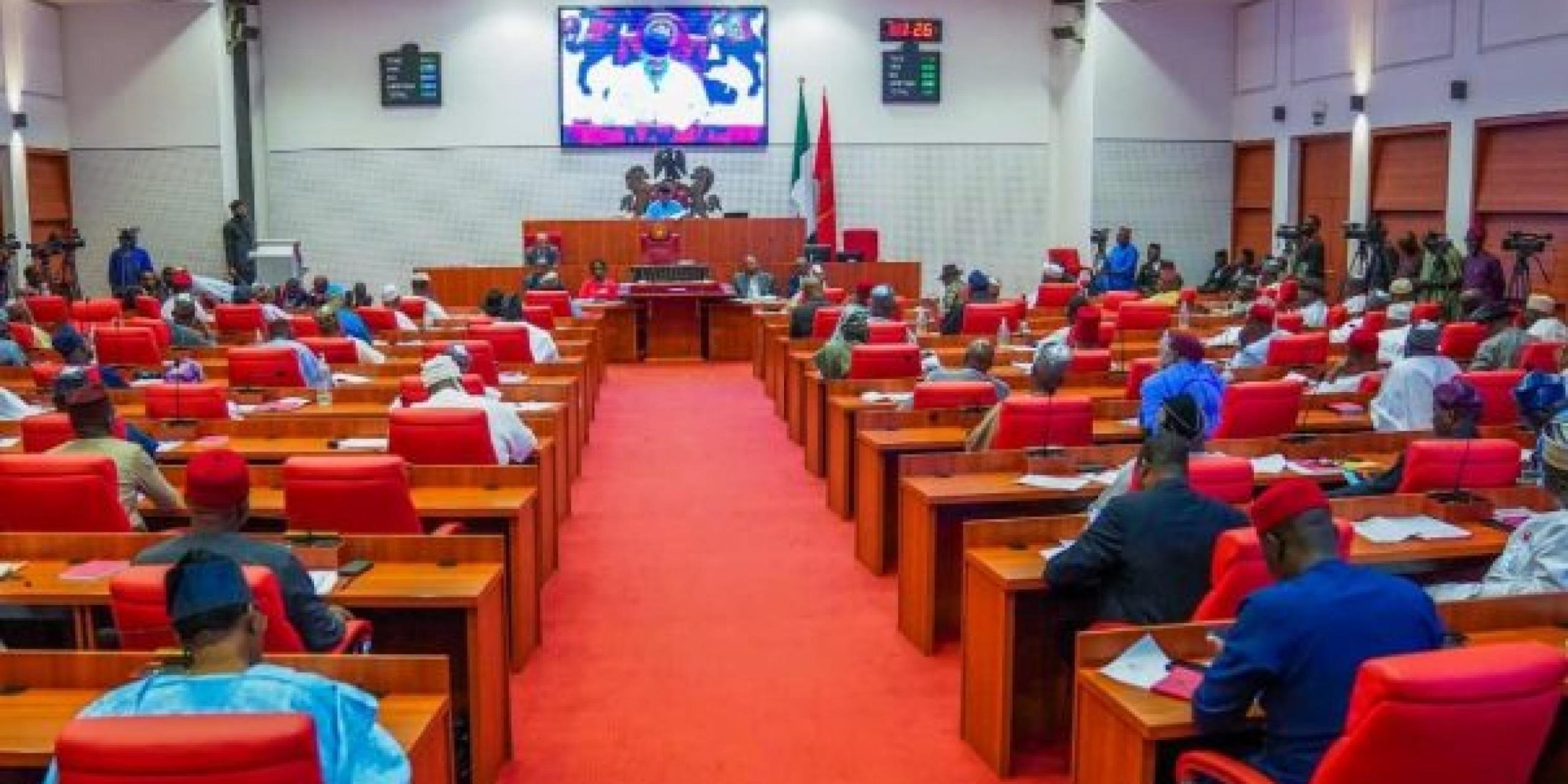
The Nigerian Senate has rejected a bill seeking to make the electronic transmission of election results mandatory, a move that has reignited nationwide concerns over the credibility and future of Nigeria’s electoral process.
The decision followed a vote on Wednesday against a proposed amendment to Clause 60, Subsection 3 of the Electoral Act Amendment Bill. The amendment aimed to remove the Independent National Electoral Commission’s (INEC) discretionary powers over how election results are transmitted.
Had it been passed, the provision would have legally required INEC presiding officers to electronically upload results from each polling unit directly to the INEC Result Viewing Portal (IREV) in real time, immediately after Form EC8A was signed, stamped, and countersigned by party agents.
Instead, lawmakers chose to retain the existing provision of the Electoral Act, which states that “the presiding officer shall transfer the results… in a manner as prescribed by the Commission.”
By doing so, the Senate has effectively preserved INEC’s authority to decide whether or not to use electronic transmission—an option critics say created loopholes that undermined the integrity of the 2023 general elections.
The Senate’s decision has been met with widespread disappointment from civil society organisations (CSOs), election observers, and pro-democracy advocates, many of whom had described mandatory electronic transmission as a critical safeguard against result manipulation at collation centres.
Political analysts speaking to SUNTV Global Channel described the move as a setback for Nigeria’s democratic progress.
“We expected the National Assembly to draw lessons from the failures of 2023, where the IREV portal became a national embarrassment,” analyst Gerald Ede said. “By rejecting mandatory transmission, the Senate has effectively endorsed the continuation of ‘manual miracles’ and electoral manipulation.”
Supporters of the amendment had viewed real-time electronic transmission as a game-changer capable of restoring public confidence in elections and reducing human interference in the collation process.
Critics further argue that leaving the mode of transmission to INEC’s discretion—especially given the commission’s history of last-minute “technical glitches”—raises the risk of recurring electoral disputes and legitimacy crises for future elected governments.
As calls for comprehensive electoral reforms grow louder, the Senate’s decision has deepened public skepticism over the political will to strengthen Nigeria’s democracy ahead of future elections.