By SUNTV Global Channel
January 6, 2026 | News
Enugu State has allocated ₦30 billion in its 2026 budget for a school feeding programme targeting 260 “Smart Schools,” even as fewer than 20 percent of the facilities are completed or operational, raising questions about feasibility and timing.
The initiative, championed by Governor Peter Mbah, is part of a broader strategy to improve child nutrition, school attendance, and learning outcomes across the state. However, education stakeholders and critics are questioning whether rolling out the programme before school infrastructure is ready will deliver value for money.
Budget documents reveal that the state has earmarked significant funds for educational development, including:
- ₦158 billion for 16 Smart Senior Secondary Schools
- ₦68 billion for 10 Technical and Vocational Education and Training (TVET) schools
- ₦30 billion to equip and furnish technical colleges
- ₦15 billion to upgrade 106 public secondary schools into model institutions
- ₦10 billion to furnish Smart Schools in all 260 political wards
The ₦30 billion feeding programme is positioned as a nutrition-focused intervention to combat childhood malnutrition and support student health, with the state promising balanced meals to enhance learning.
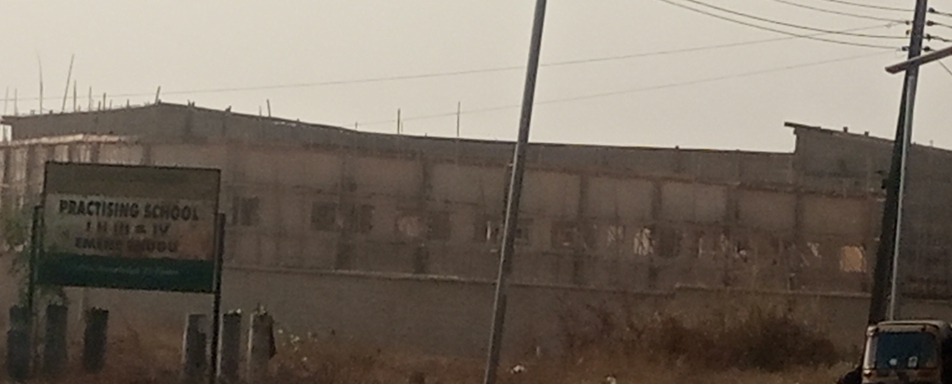
However, site visits and interviews conducted by SUNTV Global Channel indicate that many Smart Schools are still in early stages of construction. At Emene Practicing Schools, for instance, buildings remain unroofed and classrooms unequipped. New Haven Primary Schools show incomplete sewage, water systems, and ongoing roofing work. Similarly, construction continues at Army Command Schools.
Officials indicate the feeding programme may be phased according to school readiness, but procurement records suggest preparations for statewide food supply and vendor engagement are already underway, potentially misaligned with construction timelines.
“School feeding works best where there are functional schools, enrolment lists, kitchens, and oversight,” said education policy analyst Prof. Mike Okorie. “Otherwise, there’s a risk of paying for meals that may not reach students.”
Critics also point to opportunity costs, noting that the ₦30 billion feeding allocation rivals funding for equipping technical colleges and nearly matches the amount allocated to furnish Smart Schools, raising questions about prioritization given the incomplete infrastructure.
Community leaders in rural wards expressed concern over equitable access. “If only a handful of schools are operational, who benefits from the feeding money now?” asked PTA chairman Solomon Ezeilo.
Transparency advocates are calling for clear implementation details, including:
- Which schools are operational in 2026
- Student enrolment numbers
- Vendor selection criteria and unit costs per meal
- Safeguards against waste while construction lags
Government sources maintain that the feeding programme will be sequenced, with early investments targeting schools that are functional or near completion, expanding as construction progresses.
SUNTV Global Channel will continue monitoring the rollout of the school feeding programme and the progress of Enugu’s Smart School projects.