April 25, 2026 | Health News | SUNTV Global Channel Reporting
Health experts and advocacy groups have criticised Nigeria’s government over what they describe as decades of poor response that have left the country as the world’s leading malaria hotspot.
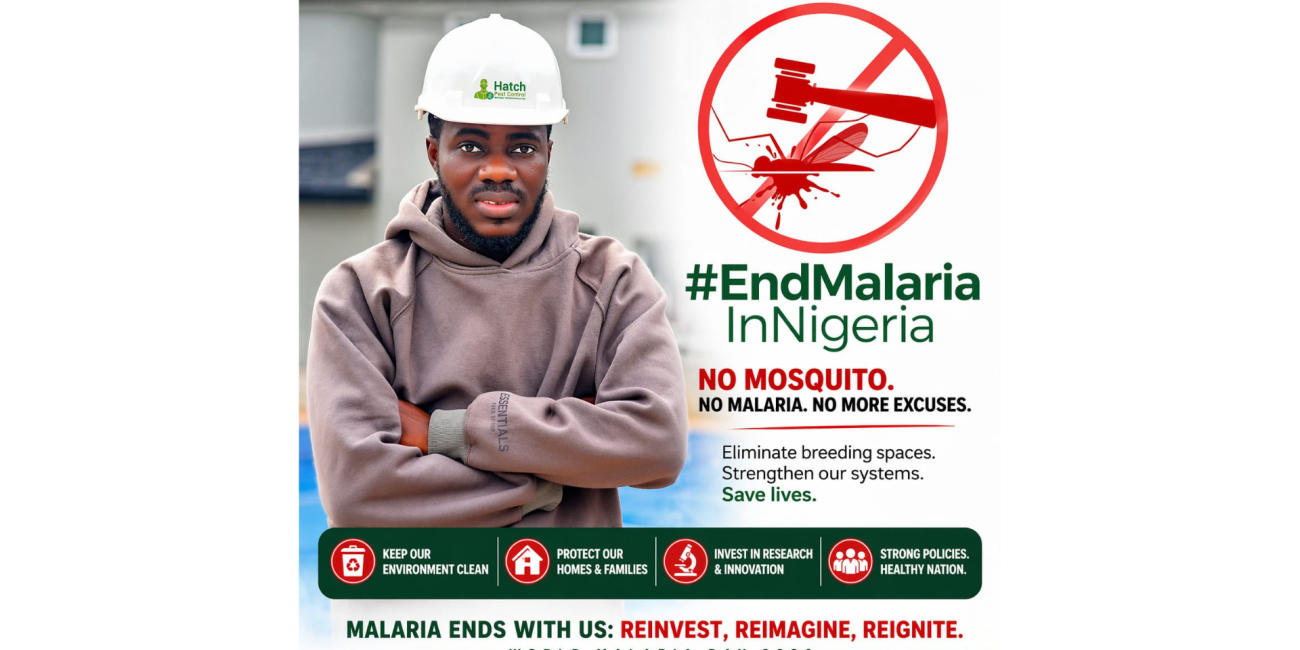
Marking the 2026 World Malaria Day theme, “Malaria Ends With Us: Reinvest, Reimagine, Reignite,” campaigners say the slogan has little meaning in Nigeria due to rising infections, weak policies, and poor environmental management.
In a statement by environmental health expert Francis Nwapa under the #EndMalariaInNigeria campaign, Nigeria’s malaria burden was described as a result of “systemic governance failure” rather than just a health challenge.
He said despite over 60 years of independence, the country still lacks a clear malaria elimination plan, relying instead on donor support and short-term interventions.
According to him, poor drainage systems, uncontrolled waste disposal, and unplanned settlements continue to create breeding grounds for mosquitoes across the country.
The group also criticised overdependence on mosquito nets, arguing that poor electricity supply, overcrowded housing, and harsh living conditions limit their effectiveness.
They called for stronger environmental sanitation systems, improved waste management, and full revitalisation of local government health departments.
The African Pest Control Association (APCA) also backed the concerns, stating that Africa accounts for about 95% of global malaria cases, with Nigeria bearing the highest burden.
APCA President Innocent Onjeh said malaria persists mainly due to environmental neglect, including stagnant water, blocked drains, and poor urban planning.
Both groups urged the Nigerian government to adopt a long-term malaria elimination strategy backed by funding, infrastructure development, and stronger public health systems.
They warned that without urgent action, Nigeria will continue to remain the world’s malaria capital, with severe health and economic consequences.
“The time to act is now,” the groups stated.