WASHINGTON D.C. | July 14, 2026
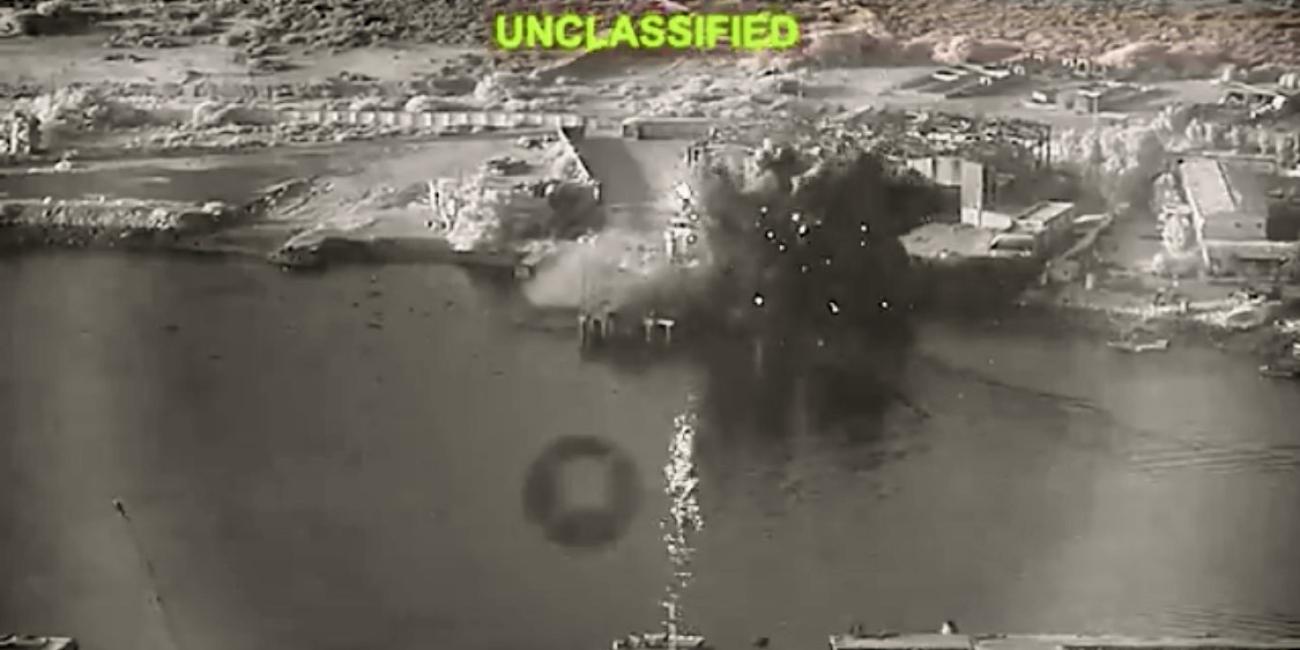
The United States has launched a third consecutive night of airstrikes against Iran, marking a significant escalation in the growing military confrontation between Washington and Tehran over security in the strategically important Strait of Hormuz.
In a statement released on Monday, the U.S. Central Command (CENTCOM) confirmed that the latest operation commenced at approximately 4:45 p.m. Eastern Time under the directive of President Donald Trump.
According to CENTCOM, the strikes are aimed at weakening Iran’s military capabilities and preventing further attacks on commercial vessels operating in the Gulf region.
The latest military action follows the collapse of indirect diplomatic negotiations between the United States and Iran, reportedly mediated by Oman. Talks broke down after both nations accused each other of violating previous agreements on freedom of navigation and regional security.
Since then, hostilities have intensified. Iranian authorities have claimed responsibility for attacks on U.S.-linked military facilities in Bahrain, Kuwait, and Oman, while American forces have continued sustained aerial operations targeting Iranian military infrastructure.
President Trump has also adopted a tougher stance, stating that U.S. forces had inflicted substantial damage on Iranian military assets. He further suggested that the United States could assume a long-term role in safeguarding the Strait of Hormuz, one of the world’s most vital oil transit routes.
Military officials say recent operations have targeted missile launch sites, drone facilities, naval assets, radar systems, air defence installations and command centres in an effort to reduce Iran’s ability to threaten international shipping.
Iran, however, has condemned the airstrikes as a violation of its sovereignty, maintaining that its military actions are defensive responses to continued U.S. and allied operations. Iranian officials have warned that the conflict could trigger wider instability across the Gulf region if hostilities continue.
The Strait of Hormuz handles nearly 20 percent of global seaborne crude oil exports, making it one of the world’s most critical energy corridors. Analysts warn that any prolonged disruption could significantly impact global oil prices and international trade.
For Nigeria, Africa’s largest crude oil producer, rising global oil prices could temporarily boost export earnings and government revenue. However, experts caution that an extended conflict may also increase the cost of imported petroleum products, aviation fuel, food commodities, shipping and insurance, potentially worsening inflationary pressures and affecting the country’s economic recovery.
The international community continues to monitor developments closely amid growing concerns that the conflict could expand beyond the Gulf and further destabilise global energy markets.
— SUNTV Global Channel
Reporting Nigeria. Connecting Africa to the World.